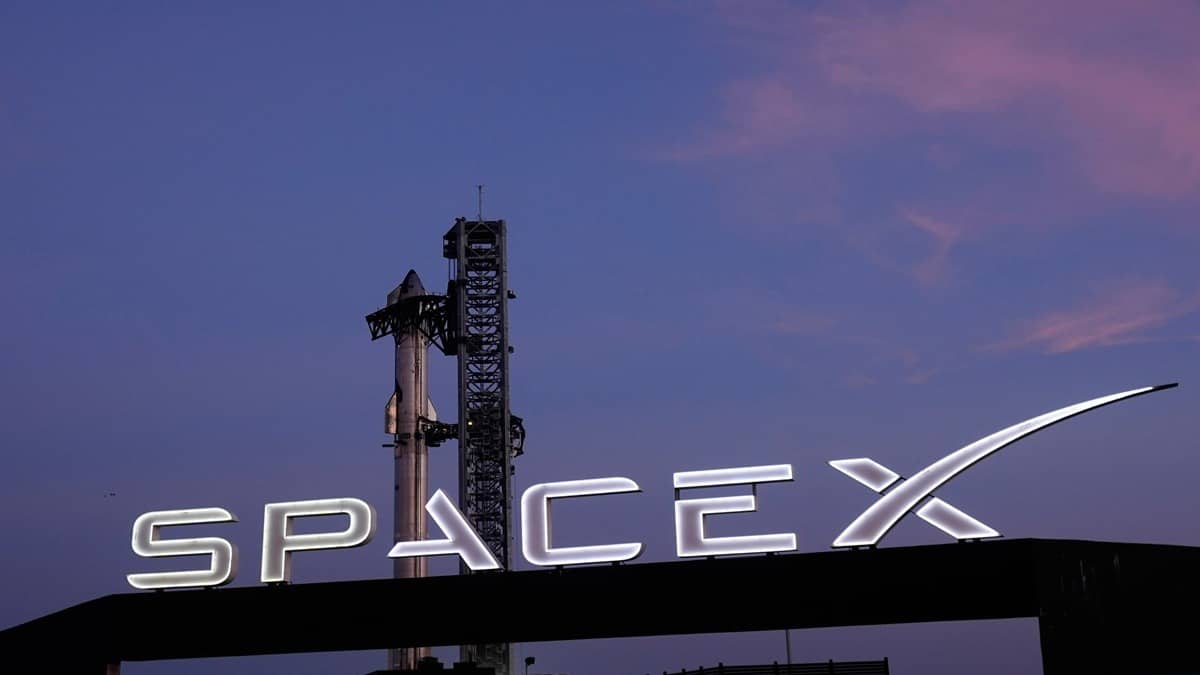
SpaceX has achieved a monumental milestone in space exploration: its Starship rocket successfully reached orbit, marking a significant step toward the company's ambitious goals of establishing bases on the moon and eventually sending humans to Mars. This latest test demonstrated the rocket's capability to not just reach space but also deploy satellites into orbit—a critical function for any operational launch system.

During this historic flight, Starship deployed 26 Starlink satellites, bringing SpaceX's constellation of internet-providing satellites one step closer to global coverage. The spacecraft reached an orbit of 170 miles, completing 15 planned laps around the planet.

Live webcast of Starship's 15th flight test starts now → https://t.co/xvmIH2diNA
Despite the success of reaching orbit and deploying satellites, the mission encountered a setback during the recovery phase. The first-stage booster, which had separated from the spacecraft, fell into the Gulf of Mexico and exploded. This was not the outcome SpaceX had hoped for, as the company had planned to catch both the booster and spacecraft at its Texas launch pad—a method designed to allow for rapid reusability and higher launch frequencies.
If successful, this would be the first time such a maneuver has been attempted with a vehicle of Starship's size.
As the booster's fate became clear, SpaceX's Kate Tice delivered the news with a mix of disappointment and professionalism: "Well, that certainly isn't the news that we had hoped to hear for today." This candid acknowledgment of the mission's partial failure highlights the inherent risks and uncertainties of pushing the boundaries of space technology.

Live Starship video from space https://t.co/PSFPxivC0z
While the booster recovery attempt failed, the spacecraft itself continued on its mission, preparing for what could be another historic achievement: a return to the launch pad via a method SpaceX has dubbed the "chopsticks catch." This innovative approach involves using mechanical arms at the launch tower to catch the returning spacecraft. If successful, this would be the first time such a maneuver has been attempted with a vehicle of Starship's size.
Despite the booster's failure, this test represents progress toward Elon Musk's vision of achieving fast and consistent launch rates necessary for his grand ambitions. The ability to rapidly recover and reuse both stages of the rocket would dramatically reduce costs and increase the frequency of launches, making large-scale space colonization more feasible.

Super Heavy Booster 22 return 🚀 https://t.co/rPLJ9KOCWp
The mission continues as Starship completes its orbital journey, with engineers and space enthusiasts around the world watching closely to see if the spacecraft can successfully return to Earth and be caught by the launch tower's mechanical arms. This next phase, planned for the upcoming Saturday, could further validate SpaceX's approach to reusability and bring the company one step closer to its interplanetary goals.
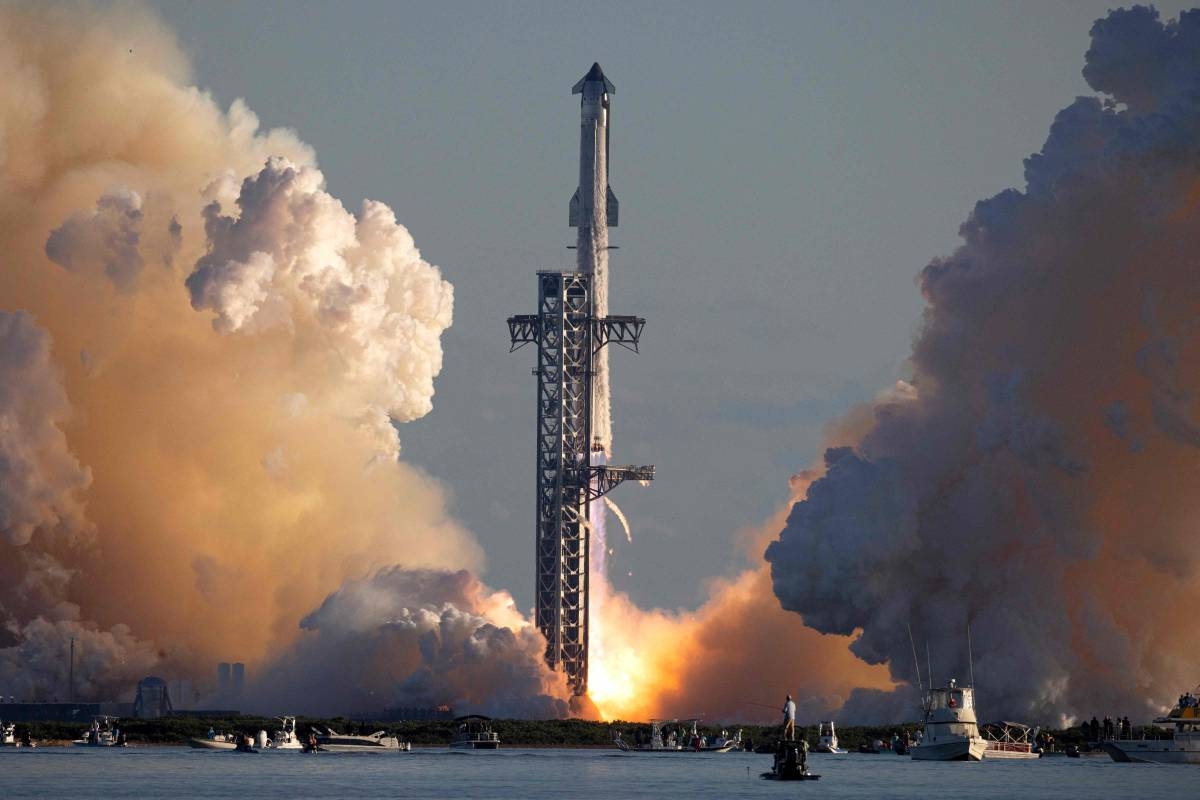
Each test, whether completely successful or partially so, provides valuable data that helps refine the Starship system. The ability to reach orbit, deploy satellites, and even partially recover components demonstrates the rapid progress SpaceX has made in developing what is currently the world's largest and most powerful rocket.
As SpaceX continues to push the boundaries of what's possible in space exploration, each mission brings new challenges and opportunities. The company's iterative approach—testing, learning, and improving—has proven effective in advancing rocket technology, and Starship represents the pinnacle of this philosophy.
While the booster's landing attempt didn't go as planned, the overall success of reaching orbit and deploying satellites marks a significant achievement in humanity's quest to become a multiplanetary species. As SpaceX refines its technology and techniques, the dream of establishing a human presence on the moon and Mars becomes increasingly tangible.