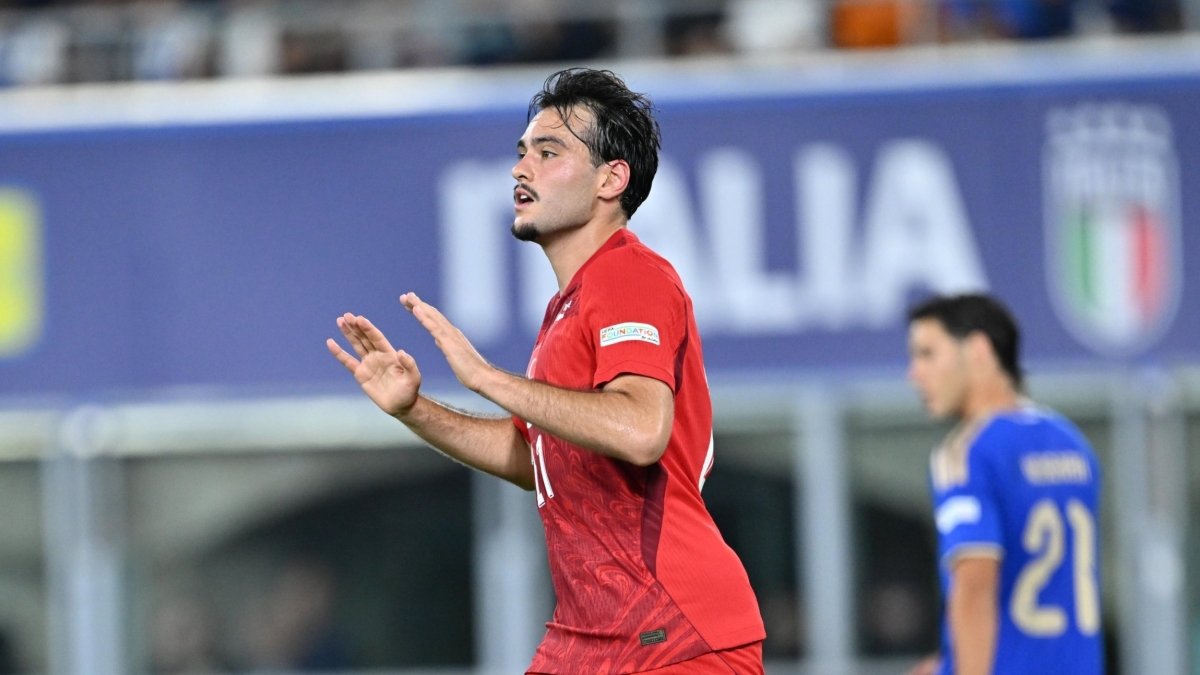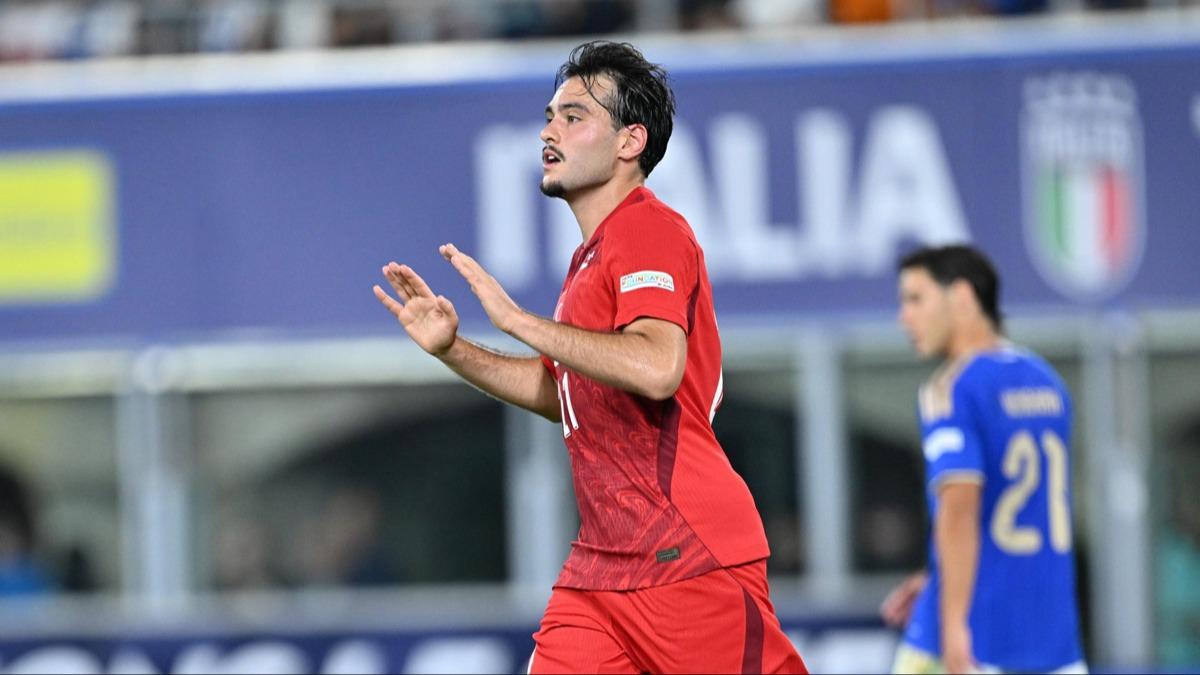
The atmosphere at the national team training facility in Izmir must have felt tense in the hours leading up to the scheduled UEFA Nations League match against Belgium. For the players, staff, and the watching public, the stakes were high. Turkey is one of the most competitive footballing nations in Europe, and a Nations League fixture is not just a game; it is a step toward securing future World Cup qualification. Into this pressure cooker, a single name was removed from the roster: Aral Şimşir. The withdrawal was not a sudden injury on the field, nor was it a disciplinary action. It was a calculated decision made by the Turkish Football Federation (TFF) after a rigorous medical evaluation, signaling that the player’s body was not yet ready for the rigors of international competition.
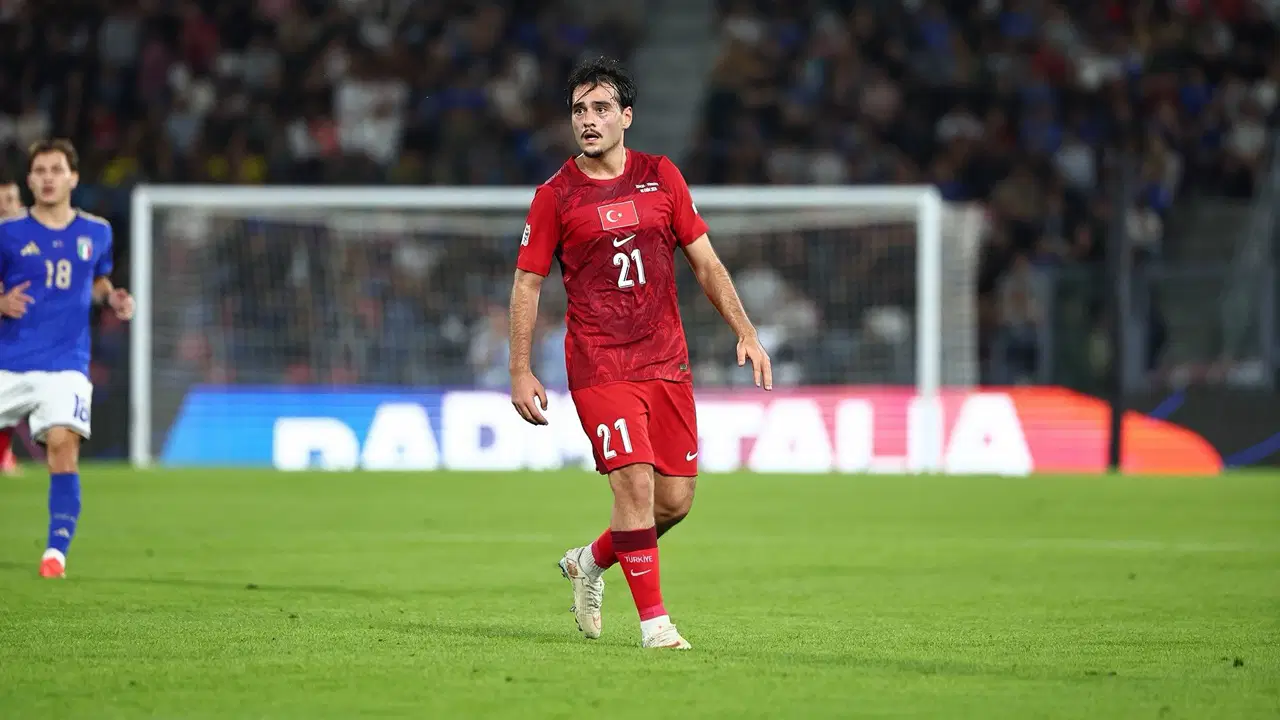
To understand why Şimşir’s exit was so definitive, one has to look at how modern national team staff manage player welfare. When a player reports to camp, they do not simply join the team immediately. They undergo a "daily monitoring" phase. In Şimşir’s case, after joining the camp, he engaged in individual training sessions and was watched closely by the team's medical staff. This period is crucial; it is when doctors look for subtle signs of an injury that might not be apparent in a pre-camp checkup. The staff monitored his progress closely, assessing whether he could handle the physical demands of a full match. The verdict, reached just hours before the Belgium game, was clear: it would not be appropriate for him to play. This wasn't a close call. The medical team concluded that forcing him onto the field could risk aggravating his condition, and in the long run, that would be a far greater loss to both the player and the country.
The TFF’s statement highlighted a key principle in modern sports medicine: the player’s health supersedes the immediate result of a single match. The federation announced that Şimşir had been withdrawn from the candidate squad for the upcoming UEFA Nations League matches against both Belgium and France. The language used by the TFF was measured but firm. They noted that following the assessment, it was determined he would not be fit to play. This was not a temporary layoff for the first game with the hope he’d be ready for the second against France. He was out for the entire international window. The priority, as the statement explicitly stated, was to protect his health. In the context of a player’s career, which spans decades, a single match in the Nations League is a blip on the radar. Preserving the asset—Şimşir himself—was the only logical course of action.
With the squad thinned, the coach must now rely on the remaining players to fill the gaps.
While the TFF made the call, the responsibility for his ongoing recovery fell to his club, Trabzonspor. The decision to remove Şimşir from the national team was coupled with a clear directive: his treatment would continue at his club. This highlights the vital partnership between national federations and local clubs. Players spend the majority of their professional lives with their clubs, and it is the club medical staff who often have the most intimate knowledge of their day-to-day physical status. By sending him back to Trabzonspor, the TFF ensured that his treatment would be handled by a team that could monitor him continuously in a lower-pressure environment, away from the scrutiny and intensity of the national team camp. For Trabzonspor, this was a supportive stance, acknowledging that their young asset needed time and space to heal properly.
The removal of a player like Şimşir forces the manager to rethink the tactical setup for the upcoming fixtures. With the squad thinned, the coach must now rely on the remaining players to fill the gaps. For the match against Belgium, this meant a potentially weaker side on the pitch. However, the federation’s decision sent a clear message to the entire squad: the TFF would not compromise player welfare for the sake of a result. It is a stance that builds trust within the group. Players know that if they are injured, the medical staff will not push them to play if it is risky. This culture of safety is as important as any tactical formation.
Şimşir’s absence will also be felt in the subsequent match against France. France is a traditional powerhouse in European football, and the margin for error in such a high-stakes game is slim. The TFF’s decision to keep him out of both matches indicates that his recovery timeline extends beyond the immediate weekend. It is a conservative approach, one that values the player’s future over the present. As the international window progresses, the focus will shift to the next set of fixtures, where Şimşir’s presence will be reassessed based on his progress at Trabzonspor. For now, he is a spectator, a player on the sideline watching his teammates fight for the country. It is a difficult position to be in, but one that comes with the reassurance that his health is the top priority. The TFF has made its choice, and the next step is up to the player and his club to manage the recovery.
Behind the formal statements and medical jargon, there is a human element. Aral Şimşir is not just a name on a roster; he is a young athlete pursuing a dream. Being cut from the national team, even for medical reasons, is a setback. It means missing out on the camaraderie of camp, the adrenaline of international competition, and the pride of representing his country. But it also means he has the opportunity to heal without the pressure of a high-stakes result hanging over his head. As he returns to Trabzonspor, he can focus on the immediate, tangible goal of getting back to full fitness. The TFF’s decision, while it may have been inconvenient for the national team’s short-term plans, was ultimately in the best interest of Şimşir’s long-term career. It is a reminder that in the professional world of football, the player’s well-being is the foundation upon which everything else is built.