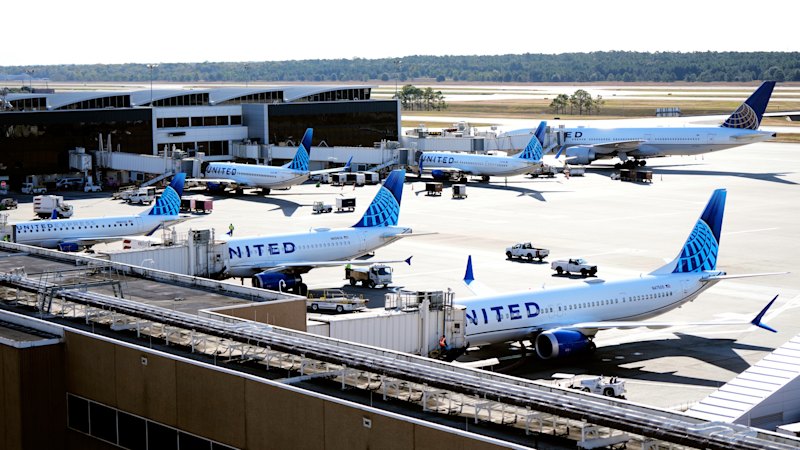
On November 13, 2026 a nationwide ground stop halted all flights across the United States for roughly four hours.
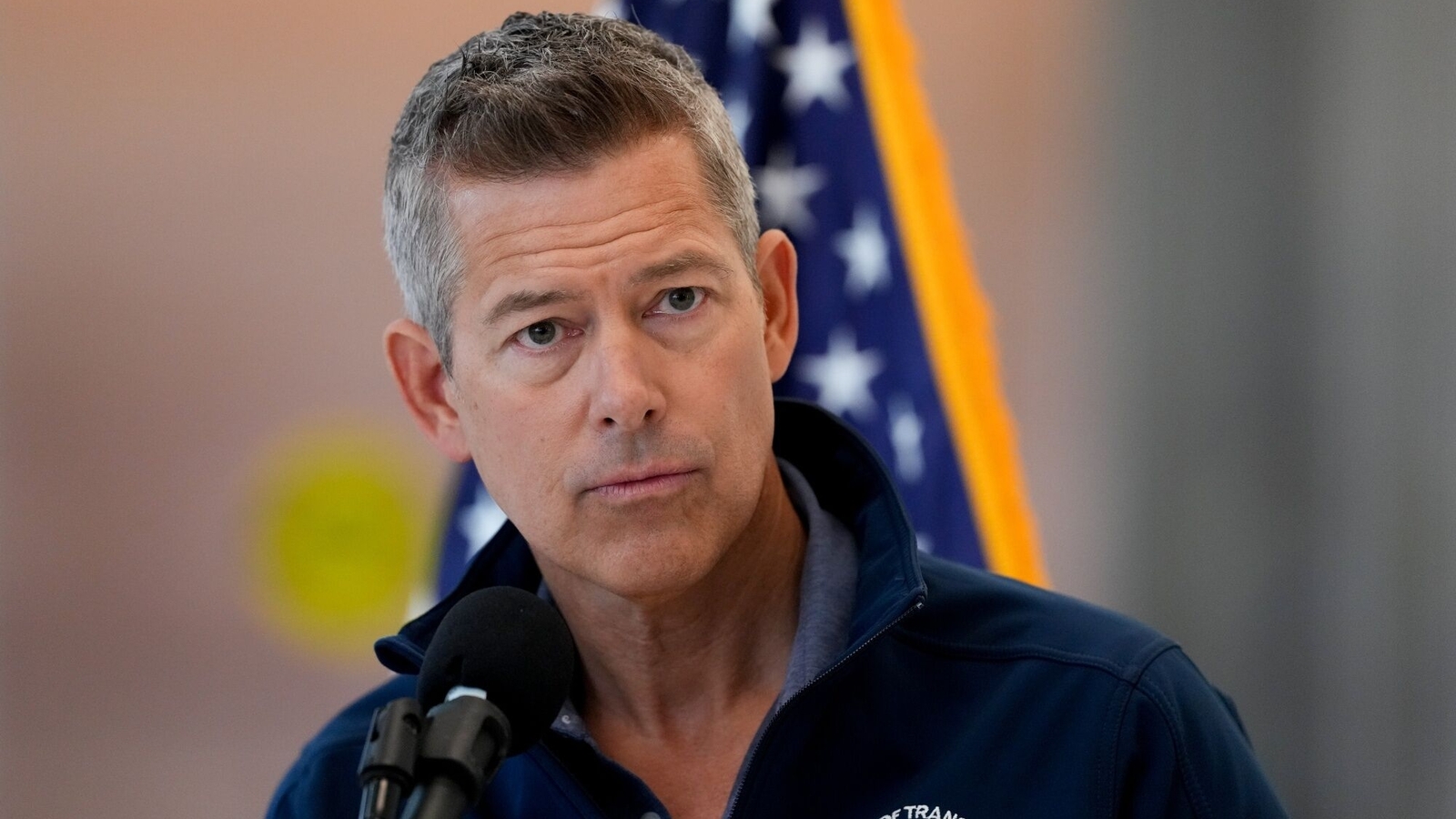
Transportation Secretary Sean Duffy told reporters the incident stemmed from routine work by L3Harris, the FAA’s long‑time telecommunications partner. The contractor was swapping aging copper wire for modern fiber optic cable at a remote FAA site. The routers slated for replacement were manufactured in 2001, making them more than two decades old.

The FAA's “ground stop” Friday threw air travel into chaos. The Transportation Secretary blames outdated air traffic control technology. Government managers don't know how to update computers. It is time to do what other countries do: privatize air traffic control. https://t.co/kL8UPAsxc3
The upgrade involved replacing those 2001‑era routers. Duffy explained that while the fiber cables were new, the routers themselves were legacy hardware that still carried critical traffic for the air‑traffic control system.
Bedford added that airline partners believed they would have full schedule integrity by the close of business on Sunday.
The FAA opened an investigation to determine whether the failure resulted from user error, an installation mistake by L3Harris, or a faulty router that began flooding other routers in the system. Duffy emphasized that the work was “pretty straightforward” and that the agency was focused on pinpointing the exact trigger.

🚨🚨BREAKING NEWS 🚨🚨 Air travel is still snarled Saturday after Friday's rare nationwide FAA ground stop. The FAA blames an overloaded router that crippled older air traffic control equipment, and DHS says there's no sign of a cyberattack. More than 12,500 flights have been canceled Friday and Saturday. (via @ABC)
Both Duffy and FAA Administrator Bryan Bedford said there was no evidence of a cyber‑attack or any AI‑related issue. Bedford added that airline partners believed they would have full schedule integrity by the close of business on Sunday.
During the disruption the FAA’s systems recorded about 1,000 connection attempts every four to five seconds as teams worked to re‑establish communication pathways.

The FAA ground-stopped every US airport for about four hours on Friday with 3,500 planes in the air. Its second advisory says communications failure. The secretary says old telecom switches. Which piece failed, and will the FAA say in writing? https://t.co/oEtrdoSJHz
By late afternoon the FAA isolated the work at the remote location and, as Duffy put it, “all of our systems came back online.” Airlines, buoyed by the restoration, projected that they would achieve full schedule integrity by the close of business on Sunday, allowing the Thanksgiving travel surge to proceed.
The incident highlights the challenges of modernizing legacy systems. Upgrading to fiber is essential, but the coexistence of decades‑old routers can create vulnerabilities that affect the entire national aviation network. Robust oversight and thorough testing are crucial whenever contractors perform critical upgrades in remote, high‑stakes environments.