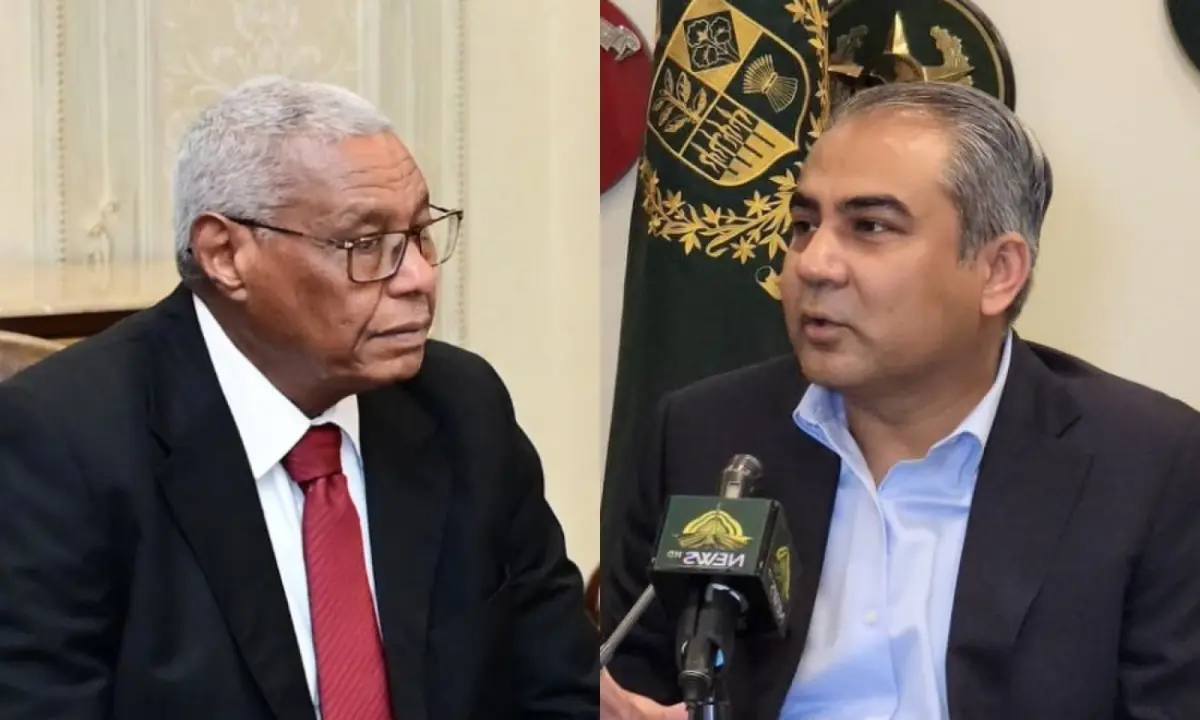
In the quiet, formal corridors of Islamabad, a new chapter of bilateral relations began to unfold on Saturday, November 7, 2026. It was not marked by a grand economic treaty or a sweeping military pact, but by something perhaps more fundamental to the machinery of statecraft: the removal of a barrier. Pakistan and Sudan have officially signed a visa-free travel agreement, a move designed to streamline the movement of those who carry the weight of their respective governments in their pockets.
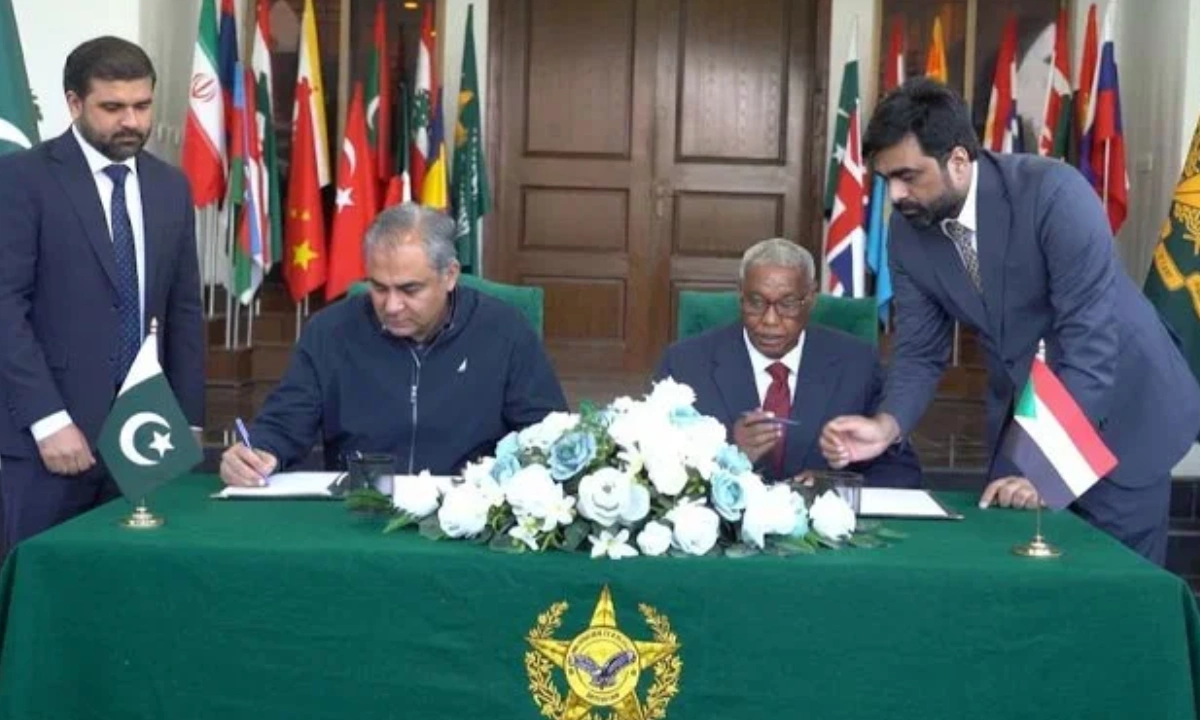
This agreement is not a blanket opening of borders for the general public. Instead, it is a precision instrument of diplomacy, specifically targeting holders of diplomatic and official passports. For the officials, envoys, and state representatives who navigate the complexities of international relations, the ability to move between Islamabad and Khartoum without the administrative hurdle of a visa represents a significant shift in how these two nations interact.
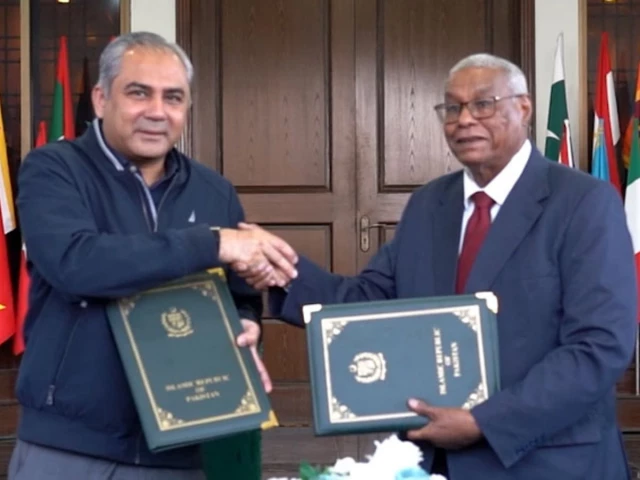
The signing ceremony brought together two key architects of domestic security and foreign administration. Pakistan’s Interior Minister, Mohsin Naqvi, met with his Sudanese counterpart, Lieutenant General Babiker Samra Mustafa Ali, to formalize the pact. The atmosphere was one of strategic alignment, as both leaders sought to transform the distance between their nations into a more manageable bridge.
For Pakistan, the agreement with Sudan is part of a broader, accelerating trend of diplomatic outreach.
For Naqvi, the agreement is more than a mere administrative update; it is a tool for engagement. "The facility would further facilitate high-level contacts between the two countries," Naqvi noted, highlighting the practical utility of the pact. When high-ranking officials can travel with greater ease, the frequency and fluidity of state-level dialogue naturally increase. It is a way of ensuring that when the need for urgent consultation or institutional cooperation arises, the logistics of travel do not become an obstacle to the mission.

Pakistan and Sudan have agreed to visa-free travel for official and diplomatic passport holders under a deal signed by Interior Minister Mohsin Naqvi and his Sudanese counterpart. Disclaimer: Image is a representation for editorial purposes. https://t.co/qdRadjlnwR
This development does not exist in a vacuum. For Pakistan, the agreement with Sudan is part of a broader, accelerating trend of diplomatic outreach. In recent times, Pakistan has been systematically lowering barriers with a diverse array of nations, establishing similar visa waivers with Italy, Somalia, Bangladesh, the United Arab Emirates, and Hungary.
By adding Sudan to this growing list, Islamabad is weaving a wider web of institutional accessibility. Each waiver serves as a building block, reinforcing Pakistan's position within a global network of partners. While the current agreement focuses on the specialized class of diplomatic and official passport holders, it signals a proactive stance in managing international relations through ease of movement and institutional connectivity.
While the visa waiver captures the headlines, the discussions in Islamabad extended into the digital frontier. Recognizing that modern statecraft is as much about data and networks as it is about physical borders, the two nations have also decided to sign a memorandum of understanding aimed at enhancing cooperation in the fight against cybercrime.
In an era where the security of a nation is increasingly tied to its digital infrastructure, this move suggests that the relationship between Pakistan and Sudan is looking toward future-proofed challenges. By addressing the shared threat of cybercrime, the two countries are moving beyond traditional diplomacy into the realm of technical and security-based partnership, acknowledging that the stability of one can be bolstered by the cooperation of the other in the virtual space.

Pakistan and Sudan sign visa-free agreement for holders of official and diplomatic passports https://t.co/B43A0MSHf5
As the ink dried on the agreements, the sentiment from both sides was one of long-term intent. The pact is viewed not as a singular event, but as a foundational step in a continuing process of bilateral growth. The commitment expressed during the meeting suggests a desire to move past mere recognition and toward a more integrated form of cooperation.
Lieutenant General Babiker Samra Mustafa Ali echoed this sentiment of continuity, stating that "both interior ministers reaffirmed their commitment to further consolidating and strengthening bilateral relations." This affirmation underscores the idea that the visa-free travel for officials is a catalyst—a way to ensure that the institutional ties between Pakistan and Sudan are not just maintained, but actively strengthened through more frequent and seamless high-level contact.