
Imagine standing in the middle of a crowd in New Delhi, not with a byline on your desk, but with a smartphone in your hand, capturing the chaos of a protest on Jantar Mantar. You are broadcasting to thousands, documenting a moment of civic tension, but to the uniformed officers nearby, you are not automatically a journalist. This is the precise friction point that has pulled the Delhi Police into the Supreme Court of India. In an affidavit filed recently, the police challenged the legal status of social media reel-makers at protest sites, asserting that these individuals should not be granted the same legal protections afforded to professional journalists. The submission was not made in a vacuum; it followed specific allegations that police had obstructed media personnel during the protests. Yet the police maintain that some of these individuals claiming to be media were actually participating in the demonstrations themselves, making it nearly impossible to distinguish them from those legitimately reporting the news.
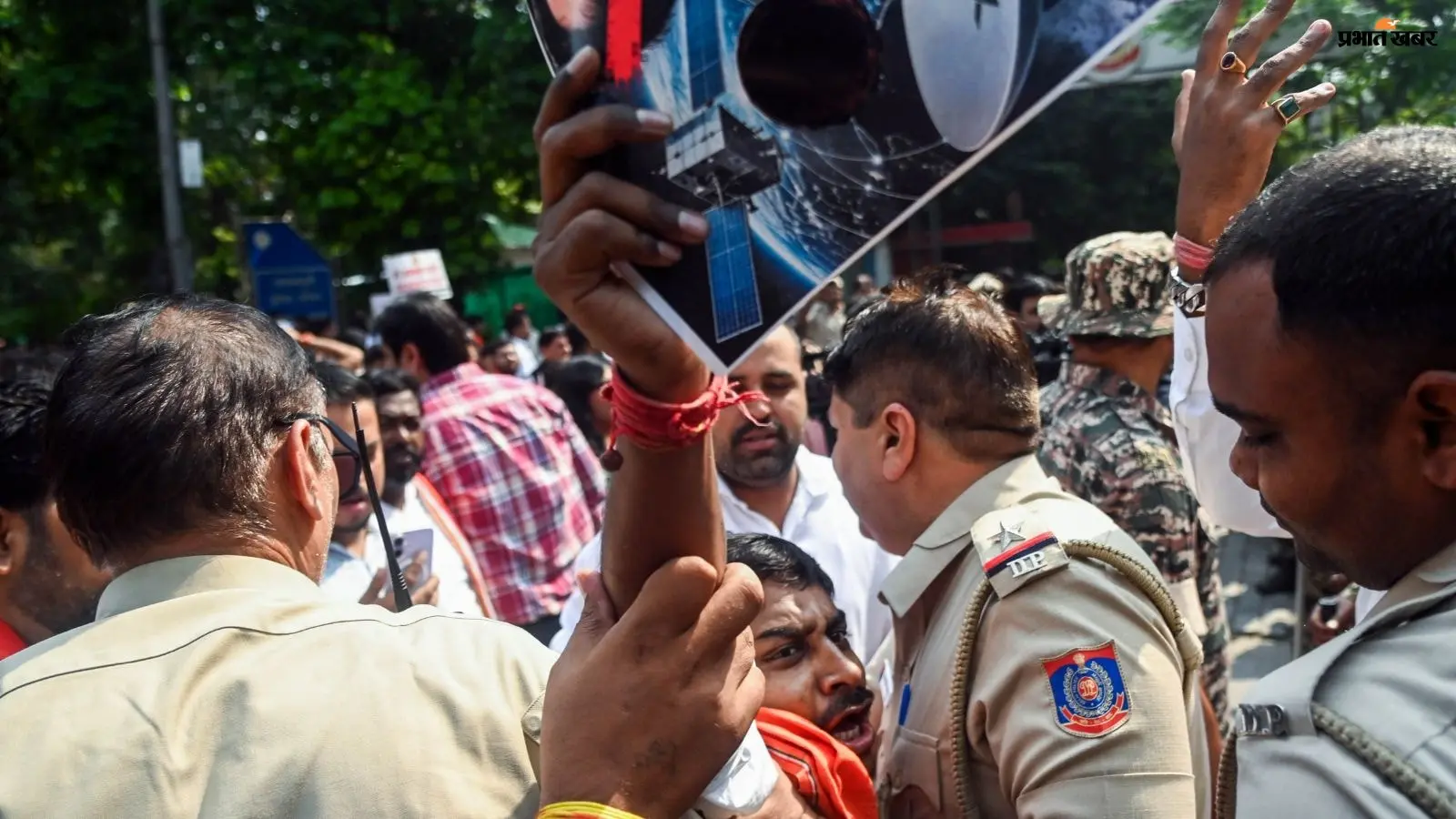
The Delhi Police have tried to thread a needle between respecting the press and maintaining order. In their submission, they emphasized that they hold the professional press in high regard. However, they argued that influencers and creators must comply with lawful crowd-control measures. They do not automatically qualify for the specific protections intended for professional journalists who are discharging their duties. This distinction is crucial because it separates the right to report from the right to disrupt. For the police, the issue is not about silencing the public; it is about ensuring that anyone claiming a media pass is not actually a protester using the label as a shield. The police further asserted that journalists were not obstructed from lawfully reporting the events, clearing themselves of the charge that they intentionally targeted the news media.

The Delhi Police told the Supreme Court that no mandate requires that women protesters be handled by women officers only and sought distinction between “reel-makers” and journalists. https://t.co/OWOfFOkxYL
To manage this confusion on the ground, the Delhi Police issued specific guidelines for journalists on October 5. This date serves as a marker in the chronology of the dispute, providing a framework for how media personnel should operate in sensitive zones. The guidelines were designed to clarify who qualifies for access and what behavior is expected. By establishing these rules, the police hoped to create a verifiable way to separate those working for news organizations from those creating content for personal social media channels. The implementation of these guidelines, however, did not end the debate; it fueled it. It highlighted the structural ambiguity in a world where the line between public interest reporting and viral content creation is increasingly blurred.
They stated that the question of whether such individuals can be elevated to the status of journalists or reporters is yet to be determined.
The case now rests with the Supreme Court, which is asked to resolve a question that is less about law and more about the nature of modern media. The police argued that the status of these reel-makers is not settled. They stated that the question of whether such individuals can be elevated to the status of journalists or reporters is yet to be determined. This is a profound shift in how the judiciary views the press. Traditionally, the role of the journalist was defined by employment, accreditation, or a clear institutional mandate. Today, a single person with a phone can broadcast a protest to millions, effectively performing the same function as a news crew. If the court rules in favor of the police, it sets a precedent that legal protections are tied to institutional identity rather than the act of reporting itself. If the court sides with the creators, it expands the definition of the press to include a vast, unregulated segment of society.
The core of the police argument rests on a distinction of identity. They maintain that the individuals causing friction were not discharging professional duties but were participants in the protest. This distinction matters because it determines who gets to walk past the cordon and who has to stay back. For the police, the ability to control a crowd depends on knowing who is observing and who is acting. By allowing everyone who holds a camera to claim the protection of the press, the police argue that they are hamstrung in their ability to maintain public order. They respect the press, they say, but they insist that influencers must follow the rules that apply to the general public when crowd control measures are active.
In their affidavit, the Delhi Police offered a clear defense of their actions on the ground. They stated: "At no point was there any deliberate or concerted action on the part of the Delhi Police to obstruct, restrict or interfere with journalists who were lawfully discharging their professional duties." This quote is central to their case. It draws a sharp line between those who are "lawfully discharging" their duties and those who are not. By using this language, the police are effectively asking the court to define what "lawfully discharging