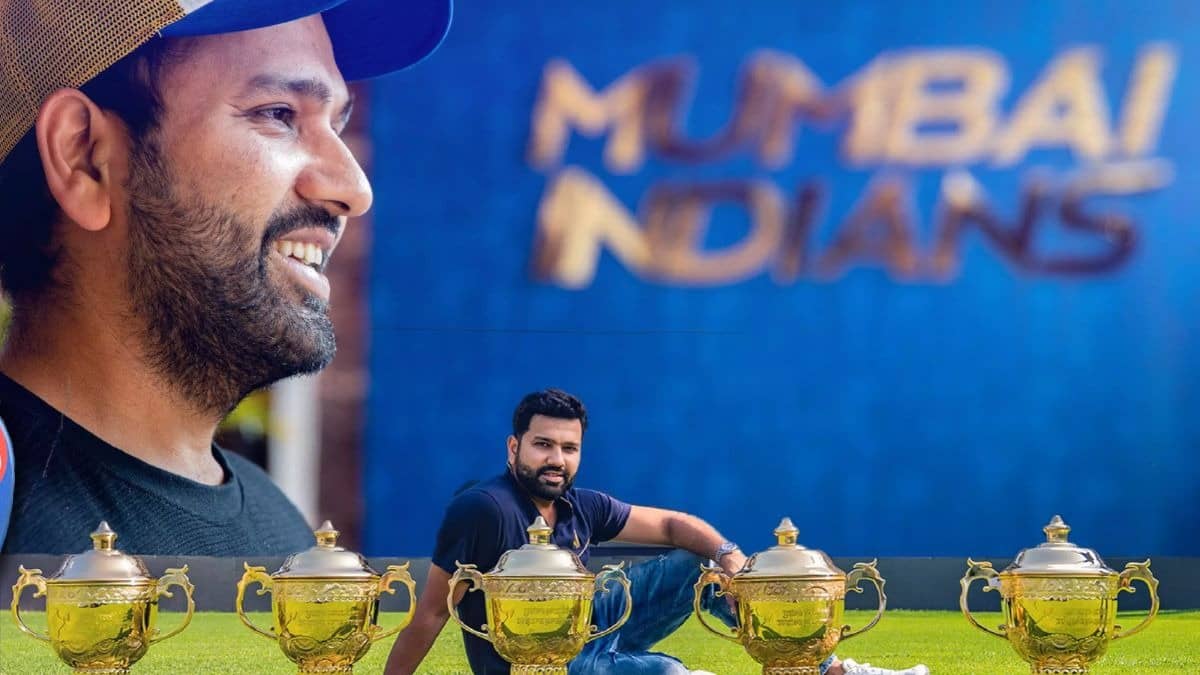
For anyone stepping onto the bustling streets of Mumbai during the cricketing frenzy of the Indian Premier League, the sight of Rohit Sharma in a Mumbai Indians jersey instantly conjures memories of triumphs, celebrations, and a brand of leadership that has defined an era. The announcement on 27 November 2026 that Sharma will once again captain the side for the 2027 IPL season offers a clear narrative hook for newcomers: a celebrated leader returning to a franchise that has long been synonymous with success, now poised to rewrite its next chapter.
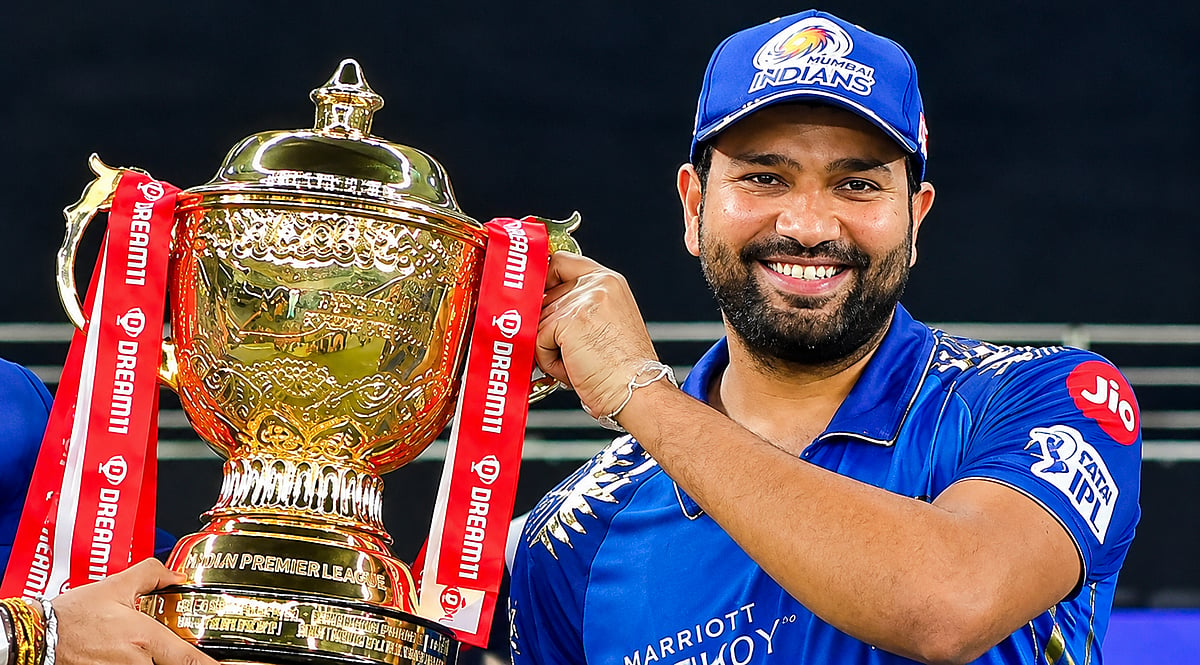
Rohit Sharma’s résumé with the Mumbai Indians reads like a litany of milestones. Over the course of his first stint as captain, he guided the team to five IPL titles, a record that cemented his status as one of the competition’s most effective strategists. Those victories not only filled trophy cabinets but also forged a cultural identity for the franchise—one built on composure under pressure, tactical acumen, and an ability to extract peak performances from a star‑studded roster. For a newcomer, understanding that five championships were achieved under Sharma’s stewardship provides essential context for why his return carries such weight.
The captaincy mantle did not remain idle after Sharma’s initial departure. On 1 January 2024, Hardik Pandya, a dynamic all‑rounder, assumed the role of Mumbai Indians captain. Pandya’s three‑year tenure represented a distinct phase for the franchise, one marked by experimentation and a shift in on‑field decision‑making. While his leadership was embraced by many, the period also underscored the rarity of a captain who could replicate Sharma’s blend of tactical nuance and calm authority. The three‑year gap thus became a reference point for fans and analysts alike, measuring the team’s performance against the high bar set during the five‑title era.
The announcement was accompanied by unequivocal support from the franchise’s leadership.
The narrative took a decisive turn on the same day the reappointment was announced. Hardik Pandya was traded to the Punjab Kings, a move that not only altered the composition of two squads but also signaled a strategic realignment for Mumbai Indians. By parting ways with their former captain, the franchise cleared the path for Sharma’s return while simultaneously reshaping the competitive landscape of the IPL. For observers, the trade highlighted the fluid nature of player movement in the league and the willingness of clubs to make bold decisions in pursuit of long‑term success.
The announcement was accompanied by unequivocal support from the franchise’s leadership. Both Nita Ambani and her son Akash Ambani expressed confidence in the decision, underscoring a shared belief that Sharma’s experience aligns with the club’s aspirations for the 2027 season. Their supportive stance reflects a broader organizational philosophy: that continuity in leadership, especially one that has previously delivered five championships, is a cornerstone for rebuilding momentum after a title drought that began in 2020.
The 2027 IPL marks the 20th season for the Mumbai Indians—a milestone that carries symbolic significance. Having not lifted the trophy since their 2020 triumph, the franchise enters this landmark year with a renewed sense of purpose. The combination of a seasoned captain, a refreshed roster, and the backing of the Ambani family creates a narrative arc that resonates with both seasoned followers and those newly introduced to the league’s drama. The 20th season thus becomes a canvas on which Sharma can once again paint victories.
Rohit Sharma’s own words capture the personal and professional dimensions of his return. He remarked, “The franchise had been an important part of my life and that captaining the side was a responsibility I had always taken pride in.” This statement underscores a deep emotional connection to the club, framing his leadership not merely as a job but as a continuation of a lifelong commitment. He added, “Discussions with franchise owners Nita Ambani and Akash Ambani about the upcoming season are encouraging,” signaling a collaborative atmosphere that bodes well for strategic planning ahead of the 2027 campaign.
As the Mumbai Indians prepare for their 20th IPL season, the reappointment of Rohit Sharma signals more than a personnel change; it marks a strategic reset aimed at recapturing the glory that defined the franchise’s early years. The combination of a proven captain, supportive ownership, and the urgency of ending a title drought since 2020 sets the stage for a compelling storyline. For newcomers to the IPL, the upcoming season offers a clear narrative thread: a celebrated leader returns to steer a storied team back toward the summit of Indian cricket.