
The world's most powerful football organization is heading into uncharted territory. For the first time since his election, FIFA President Gianni Infantino will face opposition in a presidential race, marking a significant moment in the governance of the sport's global body. The announcement came on Thursday, confirming that two prominent figures from the football world—Philippe Diallo and Kozo Tashima—will challenge the incumbent in the March 2027 election.
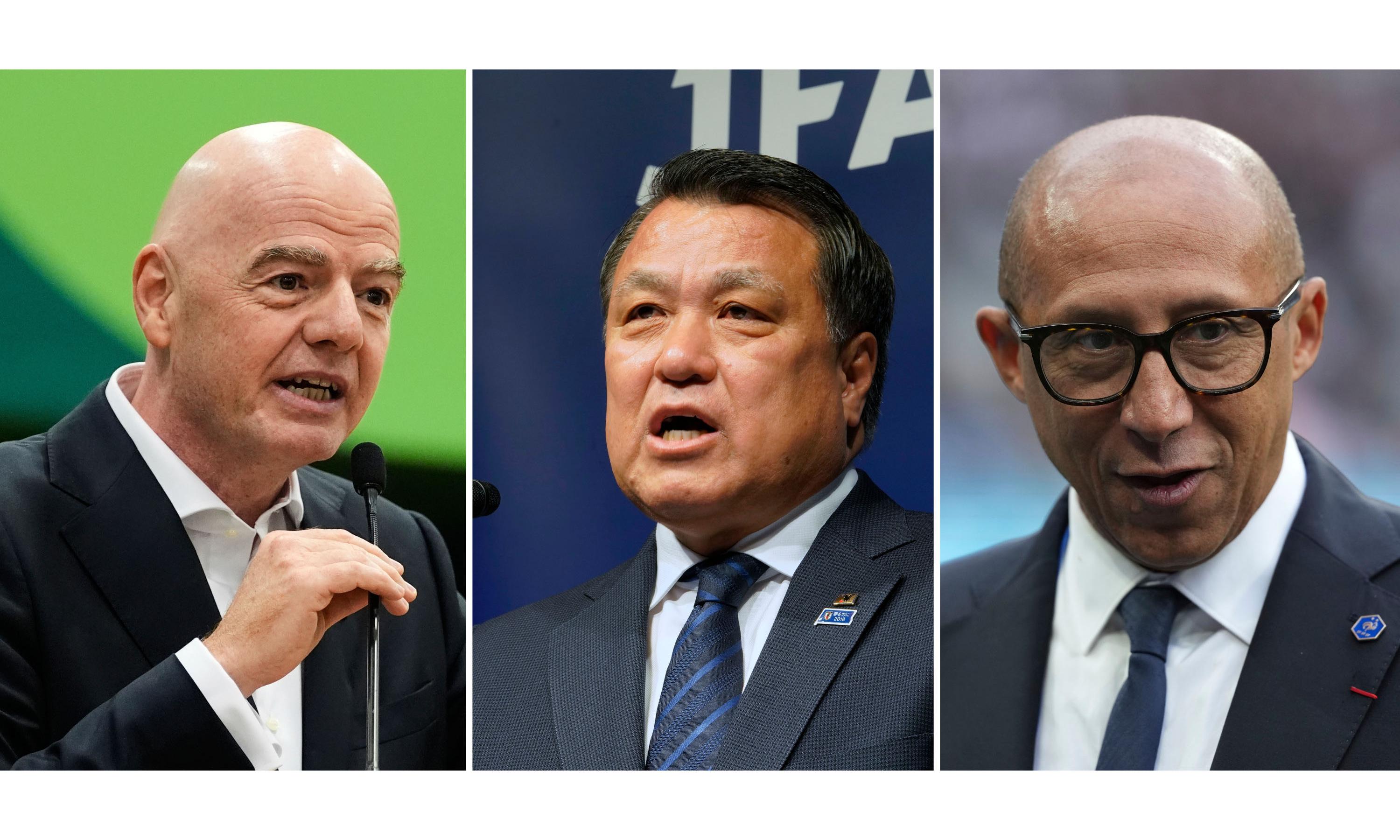
The French Football Federation president, Philippe Diallo, officially threw his hat into the ring on Monday, securing the backing of UEFA member associations. Diallo, who took over as FFF president in 2023, has positioned himself as a candidate representing European concerns about FIFA's direction. His candidacy comes at a pivotal moment, following his instrumental role in leading European associations to withdraw support from Infantino amid controversy.
Not to be outdone, Kozo Tashima, the Japanese federation president, formally submitted his nomination to FIFA on Wednesday. The Japanese football leader represents another significant voice in the global football community, adding an Asian perspective to the race. Tashima's entry ensures that the 2027 election will feature diverse viewpoints on the future of FIFA's governance.
Diallo's candidacy is particularly noteworthy given his role in the recent European football politics.
This electoral contest represents a significant departure from Infantino's previous campaigns. The 56-year-old Swiss native, who has led FIFA since 2016, was re-elected without opposition in 2023, reflecting his unchallenged position at the time. The upcoming election will be the first test of his support base among FIFA's member associations, who will ultimately decide whether he continues to lead the organization.
The timing of this challenge is not coincidental. Infantino has faced increasing pressure following the failure of his FIFA Forward Enterprise proposal to sell stakes in World Cup competitions.
Diallo's candidacy is particularly noteworthy given his role in the recent European football politics. He was instrumental in leading European associations to withdraw support from Infantino over what became known as the FFE controversy. UEFA cited "serious concerns over FIFA's direction" as the reason for the national associations to call for "renewed unity and trust within the global football community." This European position signals a significant fracture in the support system that has sustained Infantino's leadership.
In response to the developing situation, FIFA has confirmed that the candidatures have been forwarded to the electoral committee for examination. The organization stated that the nominations are now "for passing a decision on the admission of the candidates." This formal process ensures that all candidates meet the necessary requirements before being officially confirmed for the ballot.
Despite the mounting challenges, Infantino maintains confidence in his position. The 56-year-old Swiss president asserts that he has sufficient global support to secure another term. As the election approaches, the balance between his established support network and the emerging opposition will become increasingly clear.
With the election still more than two years away, the dynamics of the race remain fluid. The entry of Diallo and Tashima has transformed what might have been a routine re-election into a genuine contest of ideas and influence for FIFA's future. As the global football community watches, the 2027 presidential election promises to be a defining moment in the organization's history, potentially reshaping the landscape of football governance for years to come.