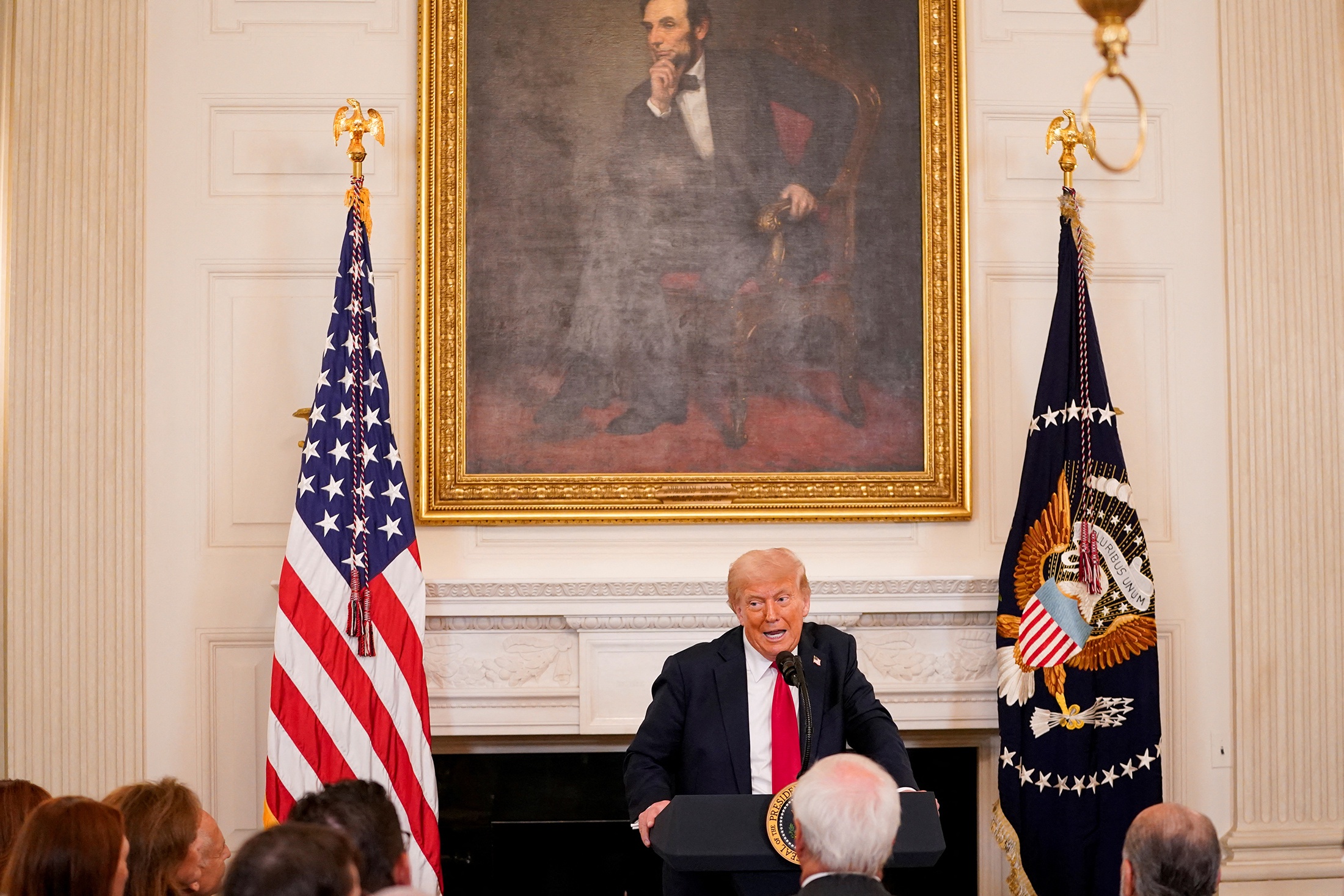
On November 8, 2026, the tension between the United States and Iran appeared to hang in a delicate balance between military dominance and the slow grind of diplomacy. Speaking in an interview with CNN, President Donald Trump laid out a vision of a conflict that is currently being held at bay not by a lack of capability, but by the potential for a negotiated settlement. The President suggested that the path to peace is currently being paved through discussions regarding Iran's nuclear program and the critical reopening of the Strait of Hormuz—a vital maritime chokepoint for global energy supplies.
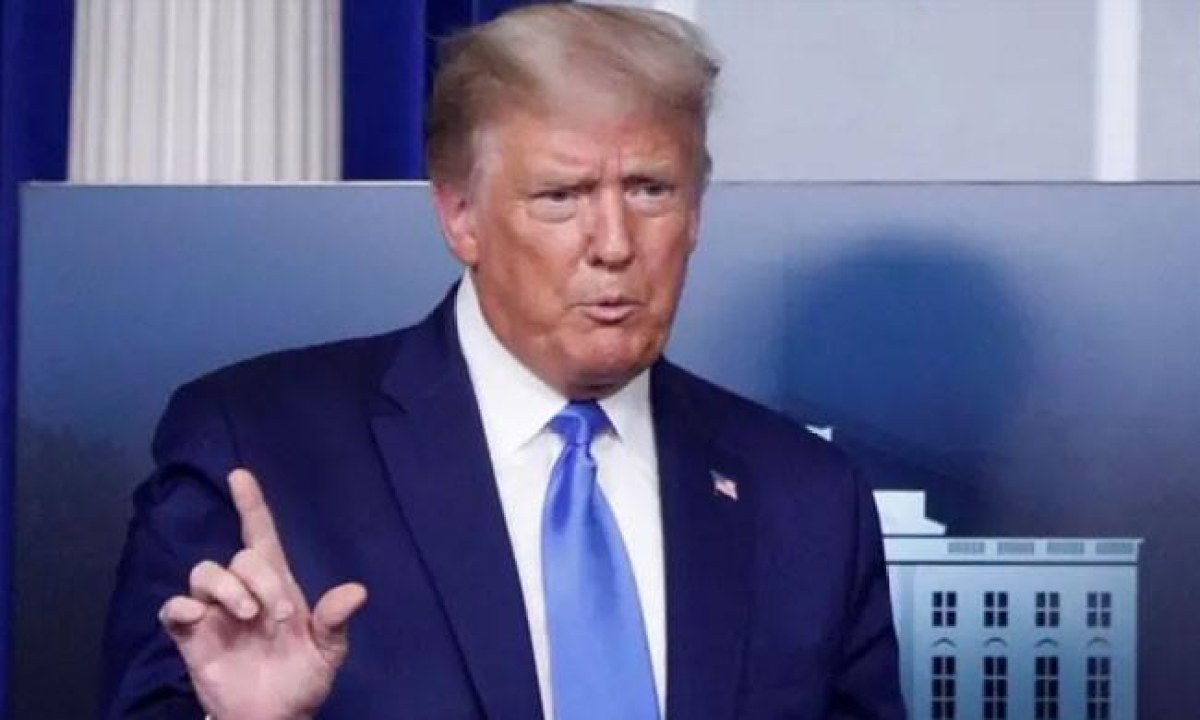
Trump characterized the likelihood of a repeat military strike as "extremely unlikely," provided that these negotiations continue to show progress. It is a stance that relies on a specific kind of leverage: the idea that a robust agreement could render renewed military operations unnecessary. According to the President, Iran is currently highly motivated to reach such a deal, creating a window where words might still carry more weight than munitions.
While the diplomatic channels remain open, the President’s rhetoric regarding the internal state of Iran was blunt. He described Iran as an "inept country," pointing to a domestic economy that he claims is on the verge of destruction. The primary metric for this instability, he noted, is a staggering inflation rate that has reached 301 percent this year.
This perceived degradation of Iranian hardware is central to the President's argument that military action may no longer be a necessity for stability.
This economic volatility serves as a backdrop to the broader geopolitical standoff. Trump asserted that the United States has already inflicted severe military and economic damage on the nation, leaving its financial foundations deeply compromised. In this view, the pressure being applied is not merely through the threat of future strikes, but through the cumulative weight of existing economic and military measures that have already weakened the country's standing.
Beyond the economic indicators, Trump painted a picture of a military that has been significantly hollowed out. He made several aggressive claims regarding the current balance of power, suggesting that Iran's ability to project force has been decimated. Specifically, the President claimed that Iran has retained only 10 percent of its missile capabilities and just 15 percent of its drone capacity.
This perceived degradation of Iranian hardware is central to the President's argument that military action may no longer be a necessity for stability. If the primary tools of Iranian regional influence—its missiles and unmanned aerial vehicles—are as diminished as claimed, the strategic calculus shifts. The U.S. position, as described by Trump, is one of overwhelming superiority, where the threat of force is backed by a military that has already successfully neutralized much of the opponent's defensive and offensive reach.
Despite the emphasis on diplomacy, the President was careful to remind the world that the American military remains on high alert. He disclosed that U.S. forces are on standby, backed by the immediate readiness of three fully armed aircraft carriers. The scale of potential destruction was not merely theoretical; it was quantified with surgical precision.
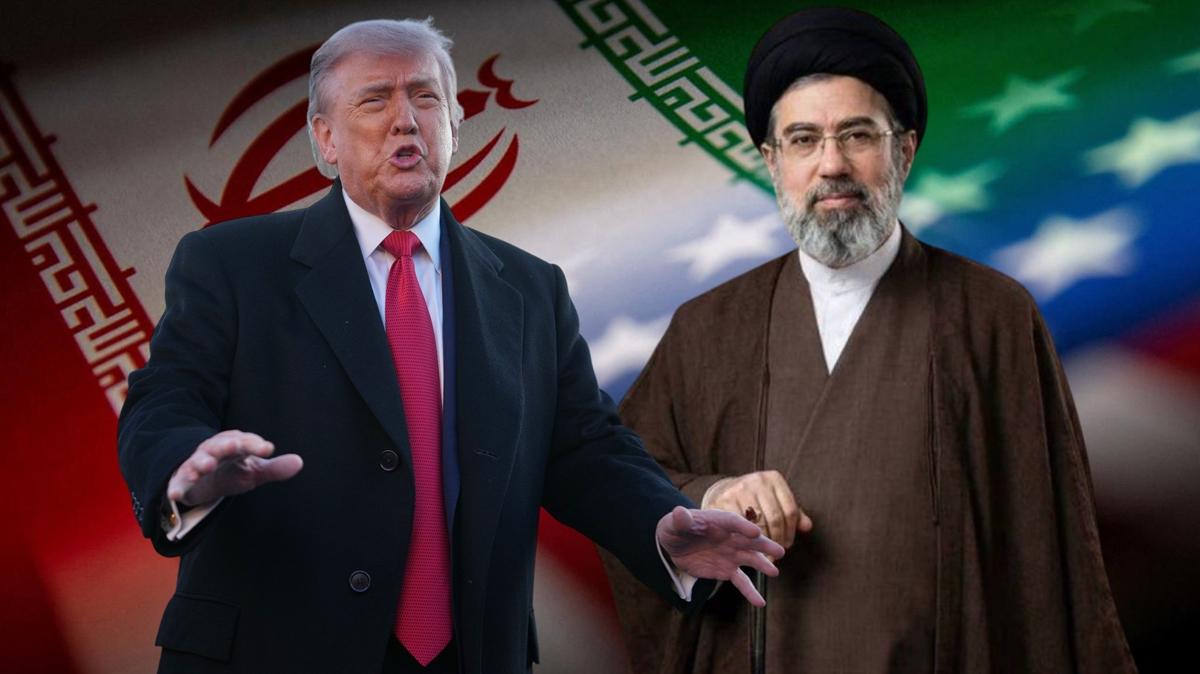
Trump revealed that the United States possesses the capability to target and destroy 38 specific bridges across Iran within a single hour. "We have 38 bridges on our list that we could demolish in literally an hour," he stated, emphasizing the speed and lethality of a potential strike. This capability serves as a stark reminder of the sheer kinetic power available to the U.S. should the diplomatic process fail entirely.
However, the President’s willingness to strike is tempered by a pragmatic concern for the aftermath of such an operation. While he maintained that he would act if necessary, he expressed a distinct preference against the systematic destruction of Iranian infrastructure. The reasoning is not humanitarian, but logistical and temporal.
Trump noted that destroying critical structures like bridges would create a massive rebuilding challenge. He argued that the rehabilitation of such infrastructure would be an extremely difficult task, estimating that it could take a decade to rebuild what might be lost in sixty minutes. "I don't like destroying bridges; a bridge is one of the hardest things to build," he remarked, noting that the long-term cost of reconstruction is a significant deterrent to total military engagement.
As of now, the situation remains a high-stakes waiting game. The U.S. maintains a posture of extreme readiness, with aircraft carriers prepared and target lists ready, yet the administration is leaning heavily into the momentum of ongoing negotiations. The President’s assessment suggests a strategy of maximum pressure coupled with a preference for a deal that avoids the decade-long shadow of reconstruction. For Iran, the choice remains between navigating a crippled economy and a diminished military, or facing a strike that could dismantle its infrastructure in an hour.