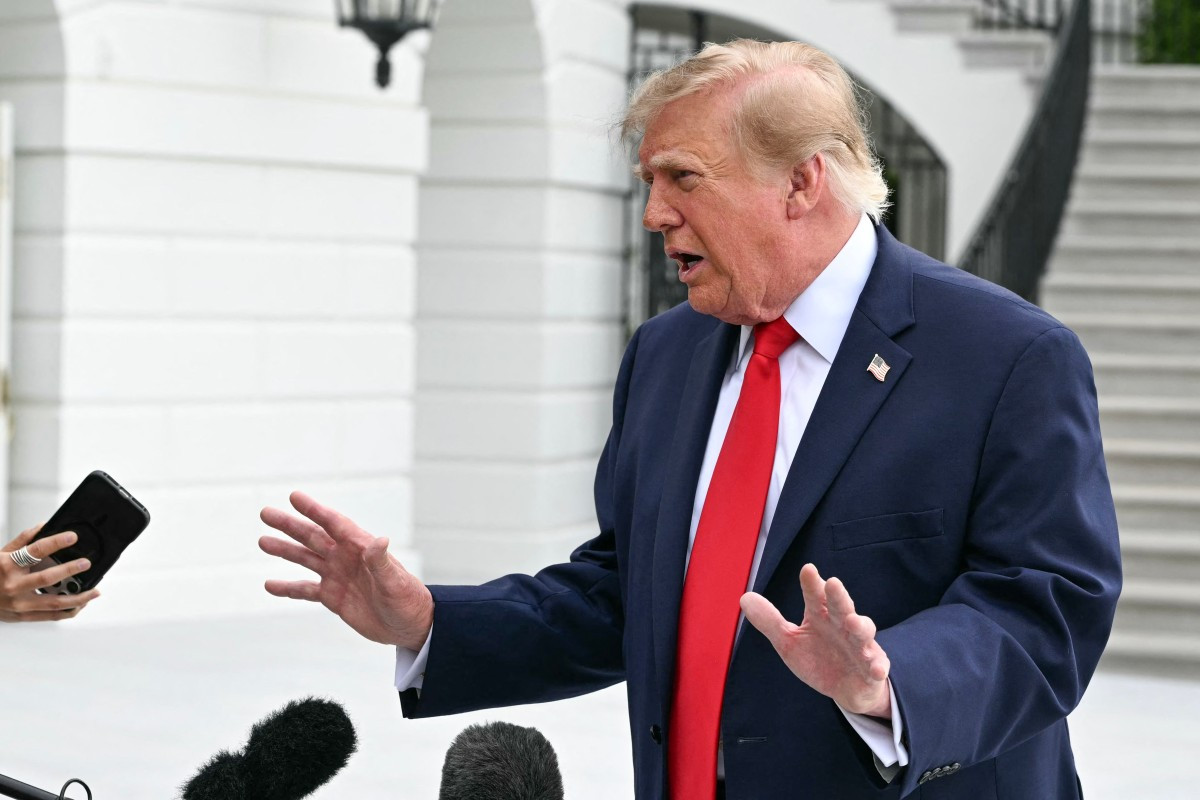
On November 21, 2026, President Donald Trump stood at the White House briefing room podium and declared that US companies building data centers abroad would face a tremendous tax. The measure, he said, was designed to keep critical infrastructure at home and deny China the chance to snap up the world’s computing heartland. Trump noted that while data centers might not suit every state, others–like West Virginia–were eager to host them, suggesting firms would simply follow the money and the policy to friendlier soils. The announcement came more than a year and a half after the administration introduced its ratepayer protection pledge, a rule requiring tech companies to supply their own power for any data center they build, preventing local ratepayers from footing the bill for massive energy draws.
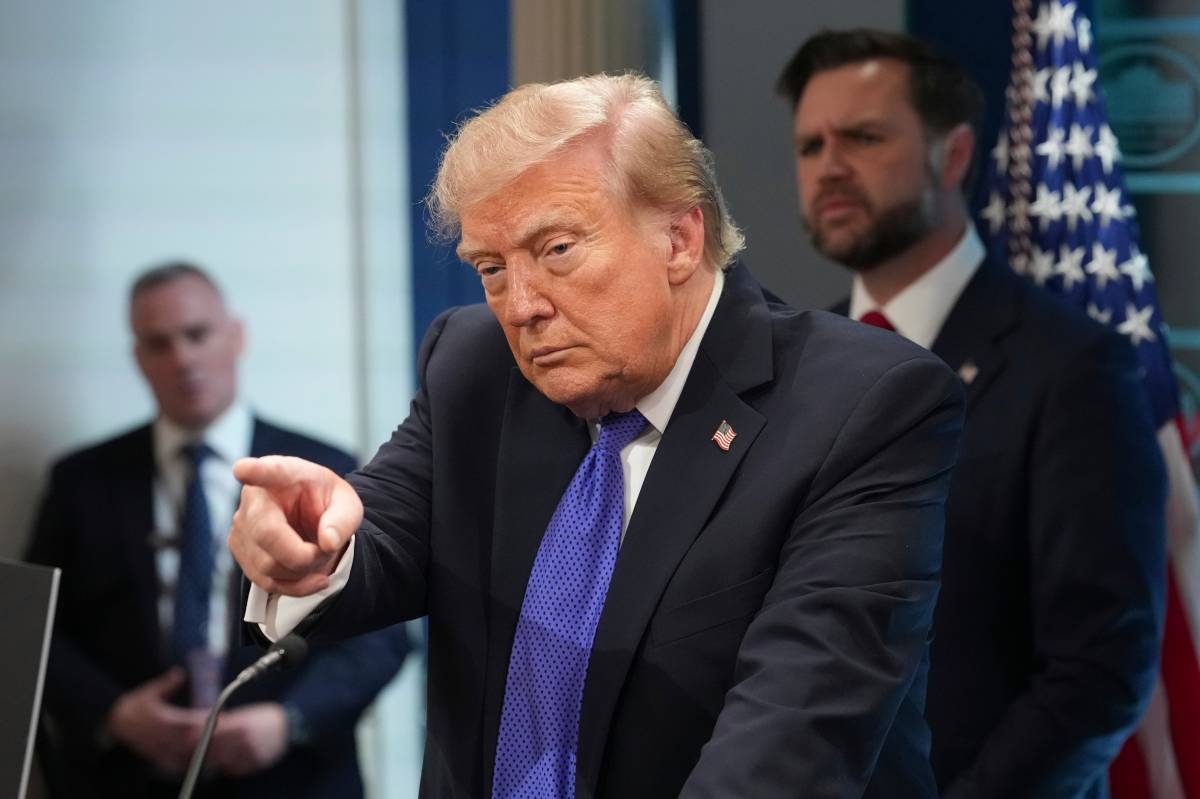
The ratepayer protection pledge was not new when the tax was announced; it had been introduced on March 1, 2025, in response to growing frustration in communities hosting data centers. The logic was simple: these facilities gulp electricity, and without a guardrail, the cost often gets rolled into what ordinary residents pay on their monthly bills. By forcing companies to generate or procure their own power, the administration hoped to shield small-town ratepayers from spikes. The pledge set the stage for the later tax by establishing that the government was willing to intervene in the economics of where and how data centers are built.
Not every governor welcomed the prospect of a data center. Trump pointed out that states like Texas and California may not want them–perhaps citing land-use, environmental, or energy-concern considerations–while West Virginia stood ready to roll out the welcome mat. The president’s logic was political as much as economic: if companies wanted to avoid the new tax, they could simply relocate within US borders to states eager for the jobs and tax revenue. That dynamic created a kind of internal competition, with some states courting tech infrastructure and others holding back, leaving the industry to navigate a patchwork of incentives and impositions.
As the project moved forward, the increased tax revenues it generated funded $50,000 bonuses for teachers in the parish and $10,000 direct payments to residents.
The most concrete illustration of the policy’s local impact came from Richland Parish, Louisiana, where a Meta data center was already under construction. As the project moved forward, the increased tax revenues it generated funded $50,000 bonuses for teachers in the parish and $10,000 direct payments to residents. The example was deployed by the administration as proof that the right infrastructure deal could turn a tech facility into a community benefit–better pay for educators, cash in the hands of neighbors–rather than a pure cost center. It also served as a real-time test case for whether the federal push could align corporate construction with local prosperity.
Throughout the briefing and the surrounding rhetoric, China loomed large. Trump was unequivocal: China will take all of them, and we’re not allowing that to happen. The fear was that if American firms built data centers in other countries–especially those with close ties to Beijing–the United States would lose its edge in the global AI and cloud race. By slapping a tax on overseas construction, the administration was not just raising revenue; it was erecting a barrier intended to keep the world’s most ambitious data-infrastructure projects on American soil, or at least in American-friendly hands.
As of the announcement, the policy stood as a bold–and unprecedented–effort to steer where the nation’s digital backbone is built. The combination of a federal tax on overseas projects, a pledge on power costs, and a state-level scramble to attract or repel data centers painted a picture of an administration willing to use every lever of tax and regulatory power to shape the physical landscape of the internet. Whether companies would simply absorb the tax, shift operations to willing states, or challenge the measure in court remained to be seen, but the direction was clear: the federal government was now in the business of deciding where the cloud lives.