The idea of a negotiated end to the conflict in Ukraine feels, at times, impossibly distant. But in mid-November, a quiet diplomatic effort unfolded in Abu Dhabi, United Arab Emirates, bringing together representatives from Russia, the United States, and Ukraine. For two days – November 10th and 11th – these delegations engaged in trilateral talks, the first major negotiations between the three sides in nine months. The meetings weren’t about immediate ceasefires or territorial concessions, but something broader: the shape of European security after the war.

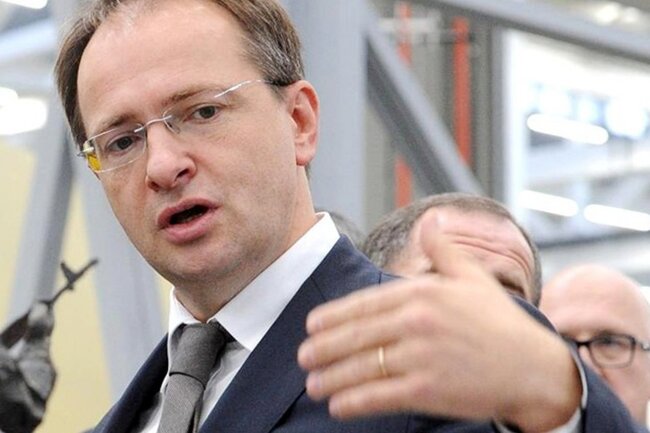
Vladimir Medinsky, the Russian presidential aide leading his country’s delegation, repeatedly emphasized the central importance of discussing a new continental security system. He framed the conflict in Ukraine as a symptom of a failing European order, a point Russia has consistently made. “The topic of the European security system was central,” Medinsky told reporters after the second day of talks. “In some places we managed to find mutual understanding, in others — no. The world needs a new updated security system.” This wasn’t a novel argument for Moscow; Medinsky asserted Russia had “raised this issue more than once.” The goal, as described by a source within the Russian delegation, was to establish a framework that would prevent future threats and bolster regional stability.
Amidst the discussion of grand strategic designs, a more immediate outcome emerged: agreement in principle on a large-scale prisoner exchange. Medinsky announced this on November 11th, though details – “specific parameters,” as he put it – were to be announced later. Rustem Umzerov, head of Ukraine’s Foreign Intelligence Service, confirmed the conclusion of the meeting at 1:13 PM Kyiv time, signaling a degree of consensus. The first day of talks had lasted 4.5 hours, with a 40-minute break, while the second was shorter, running just under two hours.
He also asserted that no peace proposals had been received from European countries.
Alongside Medinsky and Umzerov, the US delegation included Steve Witkoff and Jared Kushner. Medinsky described them as “sincere and effective people,” suggesting a productive working relationship. Dmitry Peskov, spokesperson for the Russian government, confirmed that President Putin was being kept informed of the negotiations’ progress. The talks were structured with a trilateral format involving the US and Russia, followed by separate meetings with European partners – or, as it turned out, the lack of them.
This is where the narrative takes a pointed turn. Medinsky was unequivocal: the Russian delegation had no contact with European representatives during the talks, despite their presence in the UAE. He went further, delivering a sharp critique of Europe. “Europe facilitates mass deaths of civilians and lies to the Ukrainian people,” he stated, a cynical accusation that underscores the deep distrust between Moscow and many European capitals. He also asserted that no peace proposals had been received from European countries. This claim directly contradicted statements from French officials, who had suggested European involvement. Peskov echoed this sentiment, stating the Russian delegation “has not talked at all with Europe’s representatives.”
Beyond the prisoner exchange, the core of the discussions revolved around security guarantees for the post-conflict period. Alexei Drobinyon, from the Russian Ministry of Foreign Affairs, suggested these guarantees could take the form of defensive alliances or political agreements, potentially even with individual NATO states. This hints at a potential Russian desire for a restructured security landscape, one that addresses its concerns about NATO expansion and influence. Medinsky reiterated the need for a comprehensive system, stating, “The system needs to be treated as a whole. A band-aid won't work here.” He also emphasized that any new system “should not limit the interests of any country.”
As of now, the talks in Abu Dhabi represent a limited, but potentially significant, step. A prisoner exchange is in the works, and the three parties have agreed to continue discussing a broader security framework. However, the pointed exclusion of Europe – and Medinsky’s scathing criticism – casts a long shadow. The negotiations highlight a fundamental disagreement about the future of European security, with Russia pushing for a complete overhaul of the existing system. The absence of a unified European voice at the table raises questions about the continent’s role in shaping the eventual outcome of the conflict and the security architecture that will follow. The focus remains on establishing a new continental security framework, but whether that framework will include, or be imposed upon, Europe remains to be seen.
