Anushka, a student from Ranebennur in Karnataka, faced an agonizing hurdle in her path to becoming a doctor. After years of dedicated study, she sat for the National Eligibility cum Entrance Test – NEET – on May 3, 2023, the crucial gateway to medical colleges across India. The test itself wasn't the problem. It was what happened around the test. She was accused of carrying a mobile phone into the examination center. The details, as they emerged, were crucial: Anushka surrendered the phone before entering the exam hall. Despite this, the incident cast a shadow over her results.

The controversy escalated when the entire exam was ultimately cancelled, prompting a re-examination. The National Testing Agency (NTA), responsible for conducting the NEET, scheduled a new test for June 21, 2023.
Anushka approached the re-examination with renewed determination. And she succeeded. She scored 570 marks – a significant achievement that secured her a place in a medical college in Belagavi. For many students, this would be a moment of unbridled joy, the culmination of years of sacrifice. But for Anushka, the celebration was short-lived. The NTA, despite her strong performance, decided to withhold her marks card. This meant she couldn't formally confirm her admission, leaving her future hanging in the balance.
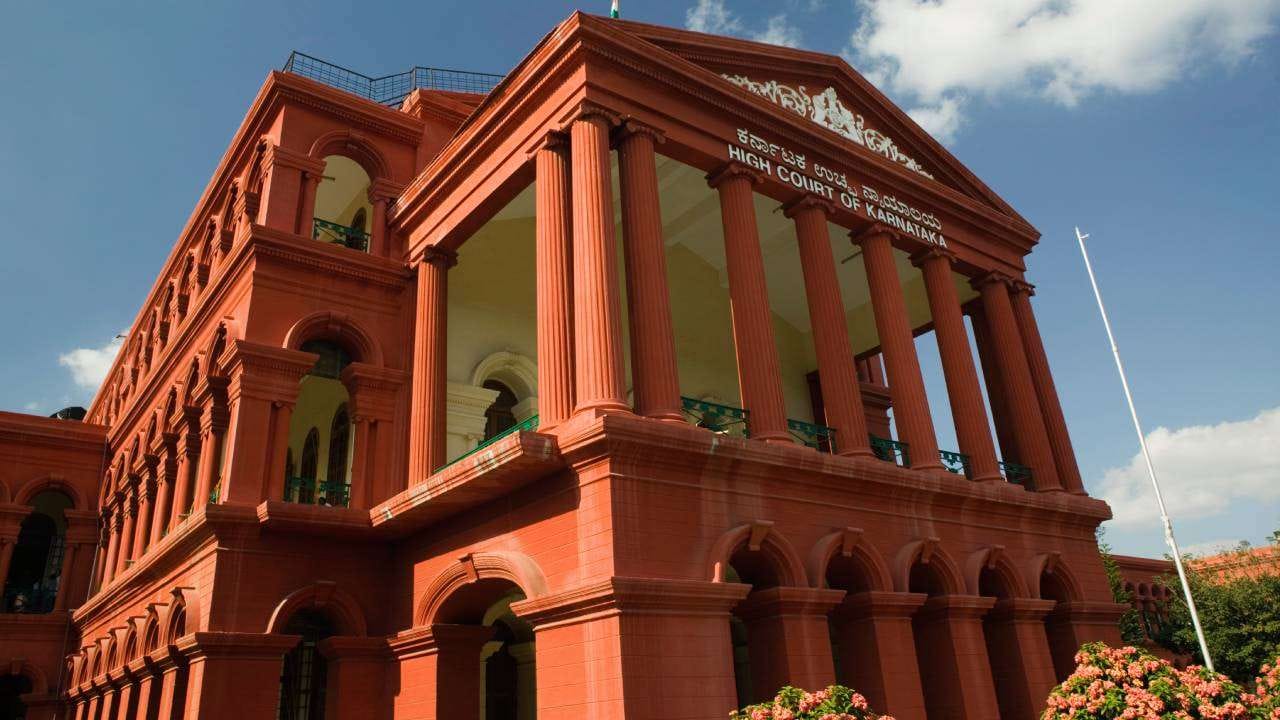
The High Court of Karnataka, Dharwad Bench, stepped in to review the NTA's decision.
The reason? The initial accusation of carrying a mobile phone into the exam center. Even though she hadn't used it during the exam, and the exam itself had been invalidated and retaken, the NTA maintained its position. This is where the case moved from an administrative issue to a legal battle.
The High Court of Karnataka, Dharwad Bench, stepped in to review the NTA's decision. Justices M. Nagaprasanna and Hema Kulakarni heard Anushka's petition, challenging the withholding of her marks card. The court's judgment was unequivocal. They allowed Anushka's petition and cancelled the NTA's order. The judges expressed serious concern over the agency's actions, stating that it was "unfair" to penalize a student who hadn't misused the phone during the exam.
As the court observed, a student's score isn't merely a number; it represents "years of sacrifice, sleepless nights, and the dream of becoming a doctor." The court's reasoning hinged on a fundamental principle: a meritorious student should not be unjustly treated due to "technical reasons." This highlights the importance of considering the overall merit of a student.
The Karnataka High Court's order was direct: the NTA was instructed to immediately release Anushka's marks card. This allows her to formally confirm her admission to the medical college in Belagavi and finally begin her journey toward becoming a doctor. The court's intervention ensured that her hard work and dedication weren't overshadowed by a technicality.
The ruling serves as a clear message: while maintaining exam integrity is crucial, it cannot come at the expense of fairness and the recognition of genuine merit. The case of Anushka highlights the importance of judicial oversight in ensuring that administrative decisions align with principles of justice and equity.