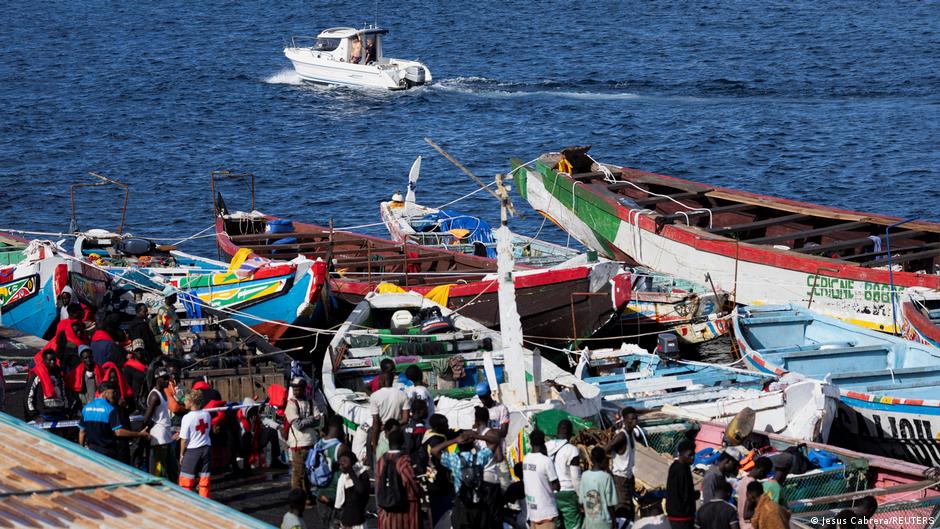
The waters off Senegal have once again become the scene of a devastating tragedy. On November 8, 2026, a boat carrying migrants seeking to reach Europe sank near Kebemer, a town approximately 180 kilometers north of Dakar. The Senegalese interior ministry confirmed the grim news: at least 21 people had lost their lives in this latest maritime disaster. As of Saturday evening, authorities had recovered 21 bodies and rescued one survivor, with search and rescue operations continuing in the hope of finding more people alive.

The sunken vessel was part of the dangerous migration route that has claimed thousands of lives in recent years. This particular path takes migrants from West Africa across the Atlantic to Spain's Canary Islands—a route identified by the International Organisation for Migration (IOM) as a key pathway for those attempting to reach Europe. The journey is fraught with risks, including overcrowded vessels, unpredictable weather, and the vastness of the ocean itself. Despite these dangers, many continue to undertake the voyage, driven by the search for better opportunities and safety.

At least 21 dead after migrant boat sinks off Senegal coast, government says https://t.co/IeGybtj85A
This latest incident is not an isolated event but part of a disturbing pattern. Migrant rights group Walking Borders has documented the deadly nature of this route, reporting that 635 people lost their lives in the first five months of this year alone. These figures underscore the human cost of irregular migration and the urgent need for safer pathways and more robust international responses to address the root causes that drive people to make such dangerous journeys.
These efforts reflect the challenging nature of maritime rescue operations, particularly in the Atlantic waters where conditions can change rapidly.
Behind each number is a human story—a life cut short, a family left grieving, and a survivor forever marked by the experience. The one person rescued from the sinking boat carries the weight of this tragedy, a living reminder of those who did not survive. The exact number of people who were on board the vessel remains unknown, as authorities have not specified the boat's total capacity or passenger count. This uncertainty only adds to the anguish of families waiting for news of their loved ones.

Migrant boat sinks off Senegal, killing at least 34 people, authorities say ➡️ https://t.co/LZ9EZZZDgN https://t.co/OCMohYThZX
In the immediate aftermath of the sinking, Senegalese authorities launched search and rescue operations, working tirelessly to locate any additional survivors. These efforts reflect the challenging nature of maritime rescue operations, particularly in the Atlantic waters where conditions can change rapidly. The search continues, though hopes of finding more survivors diminish with each passing hour.
The international community has long been aware of the dangers faced by migrants along this route. Organizations like the IOM have worked to provide assistance, advocate for safer migration policies, and document the human cost of irregular migration. However, the persistent tragedies at sea indicate that more needs to be done to address the underlying issues and to prevent further loss of life.

At least 21 dead after migrant boat sinks off Senegal coast, government says https://t.co/X4WZAWyWAZ
Spain's Canary Islands have become a primary destination for migrants from West Africa, drawn by the hope of reaching European soil. The islands' location off the coast of Africa makes them a seemingly accessible target, but the journey is anything but safe. Migrants often board flimsy vessels ill-equipped for the Atlantic's challenges, leading to frequent disasters like the one off Senegal's coast.
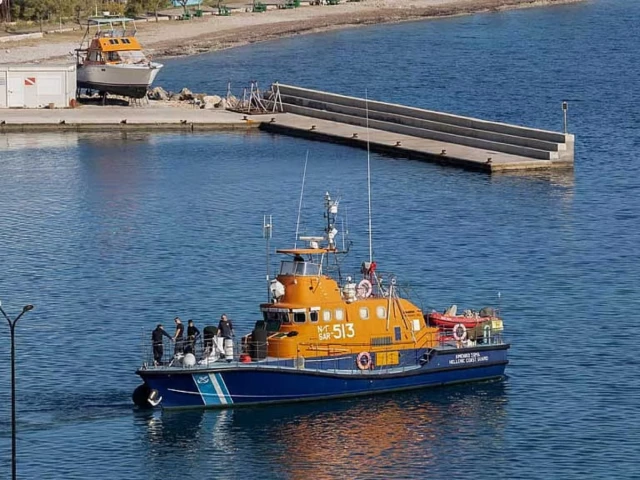
As the search for survivors continues and the full extent of this tragedy becomes clearer, the international community faces a pressing question: how many more lives must be lost before meaningful action is taken? Addressing the root causes of migration, expanding legal pathways, and enhancing search and rescue operations are all critical steps that could help prevent future disasters. Until then, the waters off Senegal and the broader Atlantic route will remain a deadly gamble for those seeking a better life.