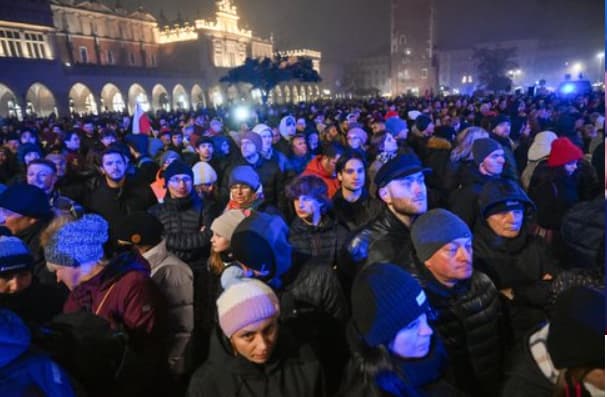
On November 9, 2026, the usual vibrant energy of Krakow was replaced by a heavy, collective stillness. The streets, which had been the site of a devastating armed attack just the previous Saturday, became the path for a silent march. It was a procession not of words, but of presence—a way for a community to stand together in the wake of a violence that felt both sudden and incomprehensible. Thousands of citizens joined the movement, walking through the city to honor the nine individuals whose lives were cut short in the shooting.
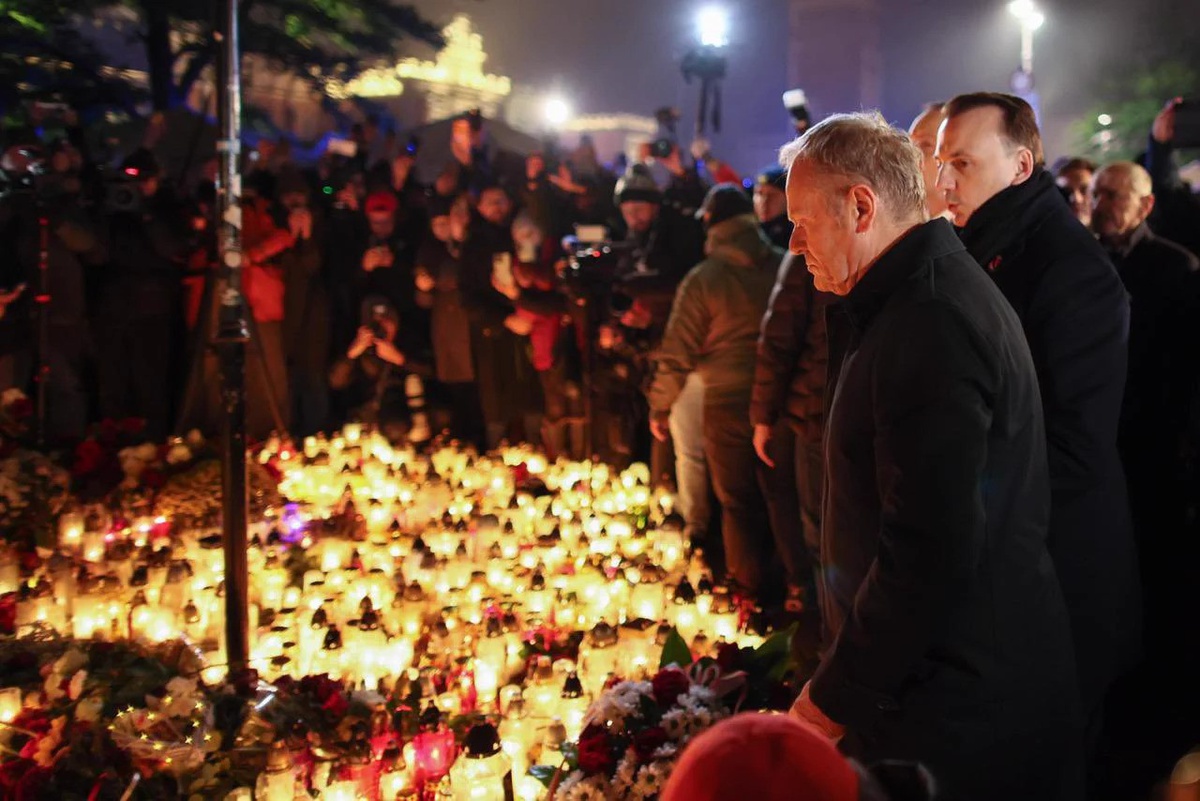
Leading the mourning were the highest figures of the Polish state. Prime Minister Donald Tusk and President Karol Nawrocki walked among the crowds, their presence marking the gravity of the moment. This was not merely a political appearance, but a shared ritual of grief. The marchers moved toward the specific sites where the violence occurred, pausing to lay flowers and light candles. These small, flickering flames served as temporary monuments to the lives lost, marking the exact spots where the peace of the city was irrevocably broken.
As the marchers reached the scenes of the crime, the atmosphere shifted from somber movement to spiritual reflection. A religious ceremony, led by Cardinal Grzegorz Rys, provided a framework for the city's sorrow. In the presence of the Prime Minister, the President, and the thousands of citizens, the ceremony offered a moment to process a trauma that had left the city reeling. The ritual of laying flowers and candles is a timeless gesture, yet in Krakow, it carried the specific, sharp weight of a recent and brutal reality.
These procedures are essential to understanding the mechanics of the tragedy, providing the formal record of the lives lost.
While the city sought solace in prayer and silence, the physical toll of the attack remained a stark reality in the local medical infrastructure. Fifteen individuals were left injured by the violence, including two police officers and five foreign tourists. These survivors were distributed across six different hospitals in Krakow, where they continue to receive treatment. The scale of the medical response underscores the suddenness and intensity of the attack that had occurred only days prior.

This post neatly encapsulates my suspicions about the Krakow attack. https://t.co/CPHL6aqnLJ
Behind the scenes of the public mourning, the clinical and forensic work of justice was already well underway. By November 9, autopsies had been performed on the nine victims of the attack. These procedures are essential to understanding the mechanics of the tragedy, providing the formal record of the lives lost. The investigation into the perpetrator, Michal Oksinski, also moved into a final, grim phase, with an autopsy for the attacker scheduled to take place the day after the silent march.
As the physical evidence was being processed, the Polish authorities turned their attention to a different kind of aftermath: the digital landscape. The attack did not end when the gunfire stopped; it spilled into the online world, where the echoes of the violence began to take on new, threatening shapes. The Ministry of Interior noted that the digital response to the event was not merely reactionary, but deeply disturbing.
In the days following the shooting, Polish police identified a troubling trend of online activity that appeared to celebrate the violence. On November 9, authorities confirmed the detention of six individuals across the country. These detentions were not for the attack itself, but for online behavior deemed to be glorifying the attacker, Michal Oksinski, or making threats that suggested a potential for further violence.
These six individuals represent a wide demographic, with ages ranging from a minimum of 15 to a maximum of 36. The involvement of teenagers in these investigations highlights how the trauma of a physical attack can be amplified by digital spaces. The police are treating these cases with extreme caution, recognizing that the content being shared is not just offensive, but potentially predictive of future harm.

Poles gathered at the Old Town Square in Krakow tonight to pay respect to the victims of the mass shooting. May they all rest in piece 💔🇵🇱 https://t.co/Bu9jB2qdAn
The concern held by the authorities is rooted in the specific nature of the posts being made. Karolina Galecka noted that the content of the posts, as confirmed by the police, was of a nature that glorified the attack in Krakow. This is not a matter of simple expression, but of public safety. There is a profound fear that the individuals making these posts are not merely observers, but potential imitators.
"The contents of the posts confirmed by the police are of a type that glorifies the attack in Krakow," Galecka observed. "This type of content is worrying; these people could be individuals who might imitate the actions of the attacker, Michal Oksinski."
As Krakow moves forward from the silent march, the city remains in a state of delicate recovery. The physical wounds are being treated in hospitals, and the dead have been laid to rest through formal autopsy and ceremony. Yet, the investigation into the digital glorification of the attack remains an active and pressing concern for the Ministry of Interior, as the nation watches to see if the silence of the march can truly hold against the noise of the internet.