For more than twenty years, a silent, volatile weight has rested in the soil of Iowa. It is a substance that does not age gracefully: lead azide. While it may sound like a mere industrial curiosity, lead azide is a highly sensitive explosive compound, and after two decades of storage, it has begun to change. On March 1, 2026, the U.S. Army discovered that this material was deteriorating. The chemical process of long-term storage had caused the compound to crystallize, a transformation that fundamentally alters its nature. In its crystallized state, the material becomes hyper-sensitive, reacting violently to the slightest touch, friction, or shock.

The scale of the problem is measured in both chemistry and mass. The Army is currently contending with 68 drums of this deteriorating material, totaling approximately 10,000 pounds of hazardous substance. This is not a routine disposal operation; it is a race against the physics of decay. As the crystals form, the margin for error shrinks, turning a controlled military procedure into a high-stakes gamble with the surrounding environment and community safety.
Recognizing the volatility of the situation, the Environmental Protection Agency (EPA) stepped in late in the year. On November 13, 2026, the EPA issued an emergency permit designed to facilitate the detonation of the explosives. The goal was clear: neutralize the threat through a controlled explosion before the crystallization made the drums too unstable to move or manage. The permit set the stage for a rapid response to a problem that had been simmering for over two decades.
A federal appeals court intervened, temporarily blocking the operation.
By November 20, 2026, the military had scheduled the initial detonation operation. However, the path to disposal was not merely a matter of logistics; it was a matter of law. A federal appeals court intervened, temporarily blocking the operation. This legal challenge introduced a new layer of complexity, shifting the crisis from a purely technical military challenge to a constitutional and administrative tug-of-war. The operation now hangs in a state of suspension, requiring not only the green light from the court but also the approval of Iowa's Governor-elect.
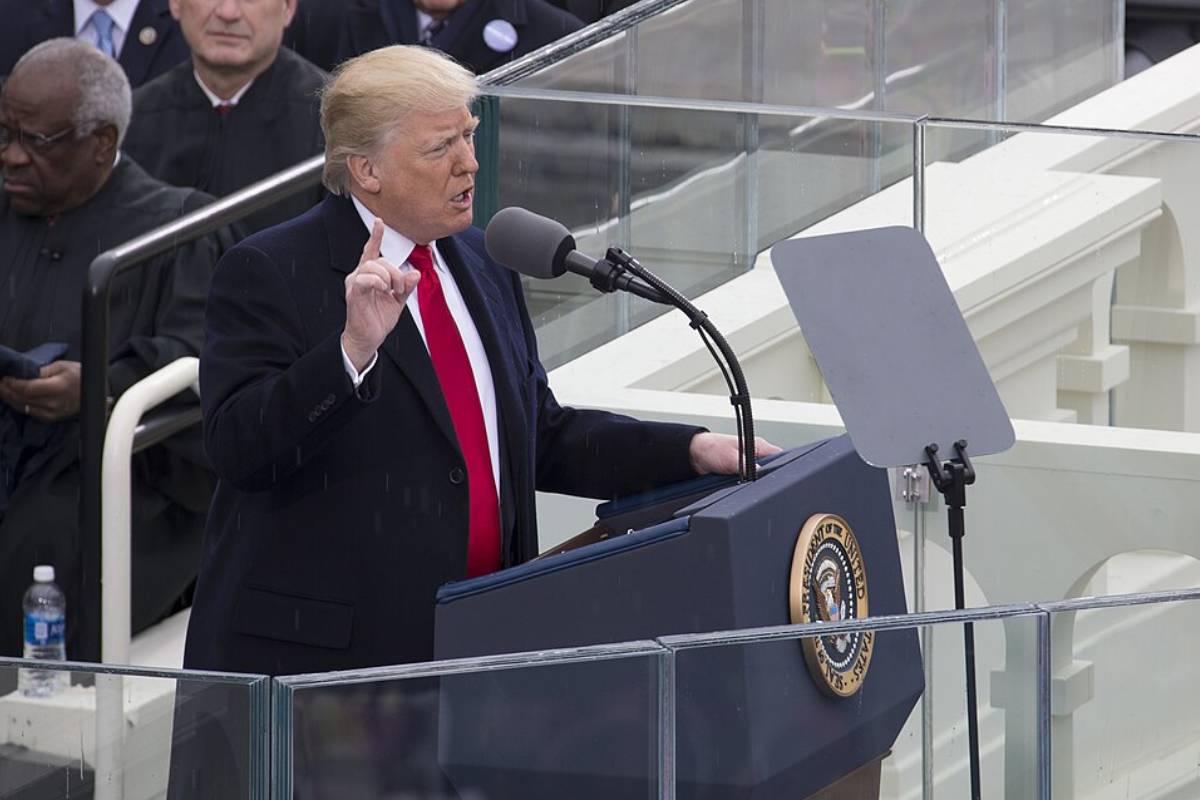
The legal stalemate prompted a direct response from the highest level of government. On November 23, 2026, President Donald J. Trump ordered the U.S. Army to suspend the detonation plan. The decision was driven by a combination of safety concerns and the ongoing legal proceedings. In a moment that underscores the gravity of the chemical instability, the President noted the potential for catastrophic outcomes, citing the risk of "death or destruction" if the process were mishandled.
Despite the pause, the administration's stance remains focused on the necessity of the task. The President framed the mission as a vital cleanup of a long-standing hazard, stating, "I feel the proper course is to get rid of this longterm problem." The suspension is not a cancellation, but a tactical retreat intended to ensure that when the 10,000 pounds of lead azide are finally addressed, the method is both legally sound and physically safe.
As the legal and political gears turn, the clock continues to tick on the 68 drums. The postponement has forced a rescheduling of the entire operation. A new proposed detonation date has been set for November 25, 2026, though this remains contingent on the resolution of the court's concerns and the necessary state-level approvals. For now, the explosive material remains in situ, a crystalline reminder of a decades-old problem waiting for a definitive resolution.