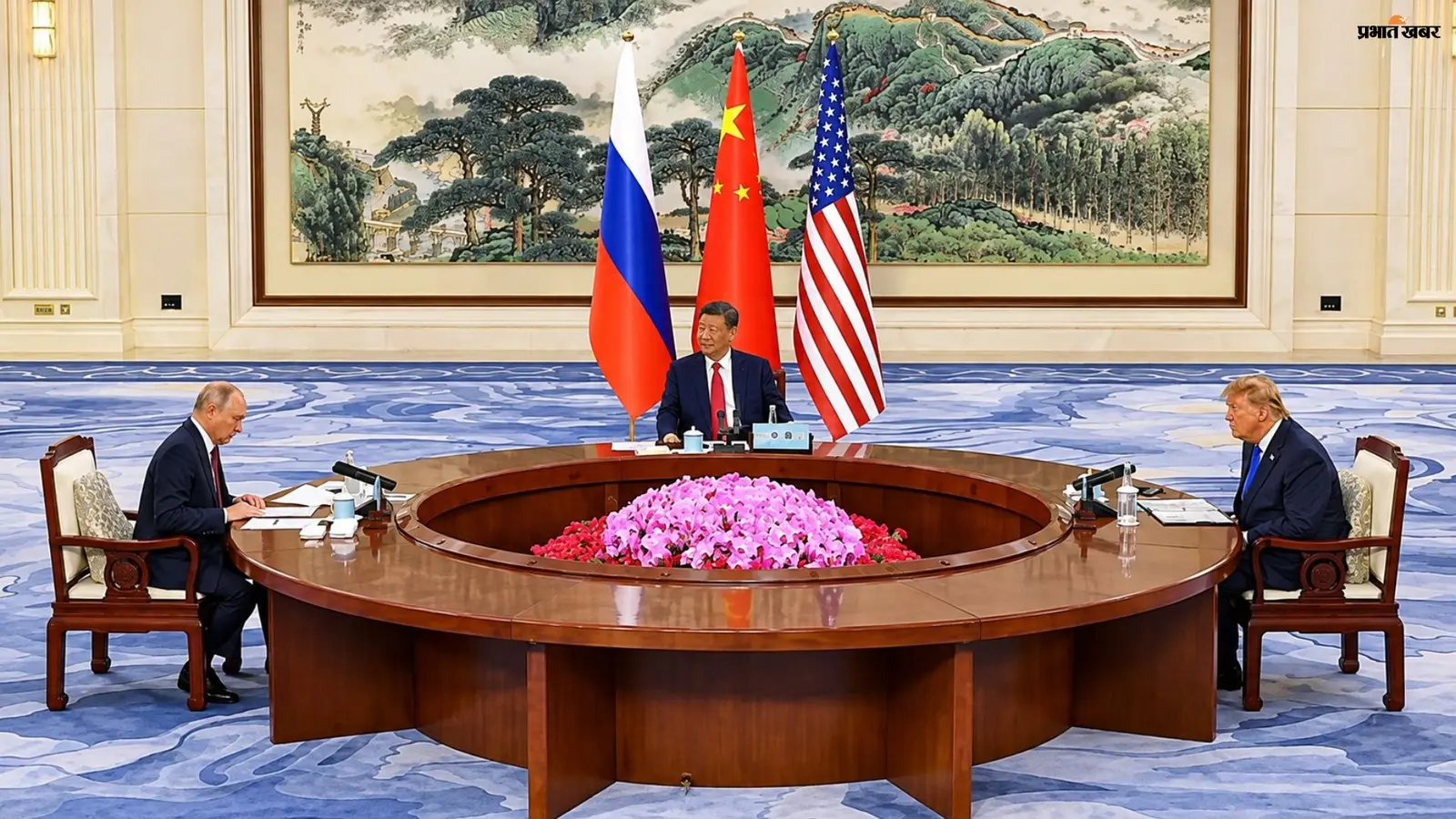
In the high-stakes world of international diplomacy, being present at the right meetings can define a nation's influence. So when a photograph surfaced showing US President Donald Trump, Russian President Vladimir Putin, and Chinese President Xi Jinping gathered in Shenzhen, it captured more than just a diplomatic moment—it became a focal point for political debate in India.
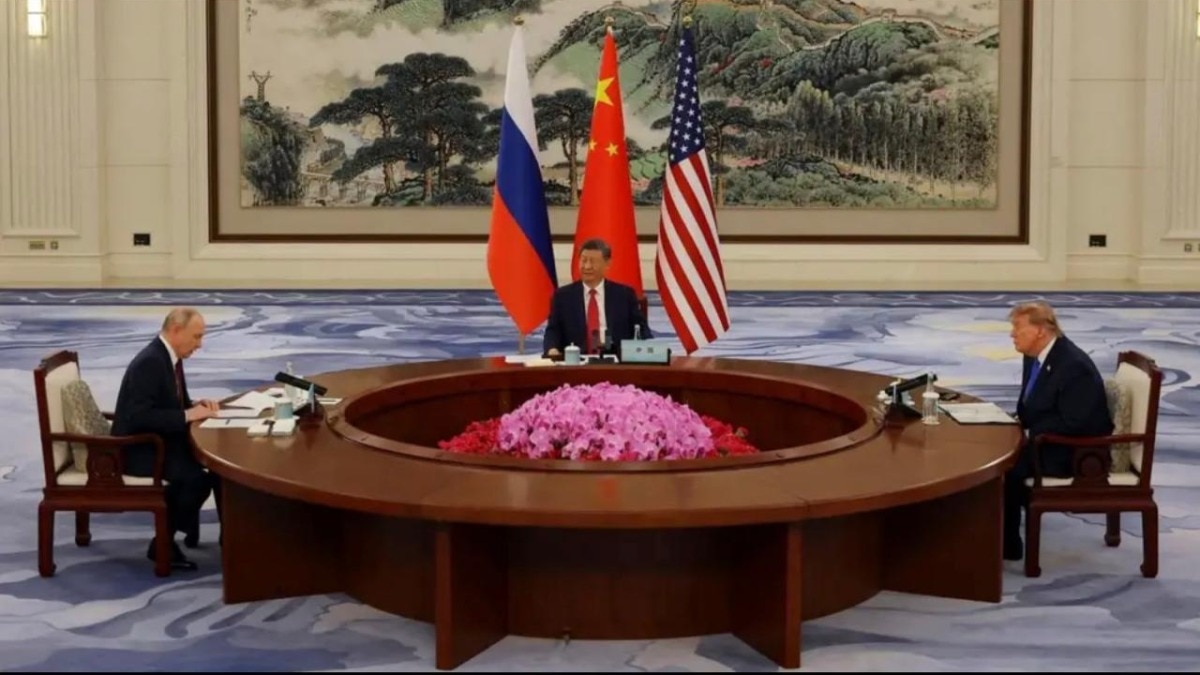
On November 19, these three global leaders convened on the sidelines of the APEC summit to discuss critical issues: nuclear risks, energy stability, and international institutional reforms. The trilateral meeting represented a significant gathering of world powers, yet notably absent was any representative from India, a nation increasingly positioning itself as a major global player.

If Congress were in power, India's Prime Minister would be sitting at this table. A compromised PM can never sit at this table. https://t.co/EpGZVnJPYq
Congress leader and Leader of Opposition Rahul Gandhi seized upon this absence, sharing the image on social media with pointed commentary. "If Congress were in power, India's Prime Minister would be sitting at this table," Gandhi asserted, directly challenging the current government's foreign policy approach. He went further, declaring that "a compromised PM can never sit at this table," implying that Prime Minister Narendra Modi's leadership has somehow weakened India's diplomatic standing.
The Shenzhen meeting itself was historic—a rare trilateral summit between the leaders of the United States, Russia, and China.
Gandhi's criticism wasn't isolated but part of a pattern of questioning the government's handling of global affairs. He has previously suggested that India is losing its influence on the world stage under the current administration. This particular critique carried additional weight as it referenced a specific diplomatic moment where India's absence was conspicuous.

Rahul Gandhi tries to mock PM Modi over India’s absence at the APEC Summit The Congress leader ends up embarassing himself and exposing his ignorance https://t.co/iyzrIrMpk8 Here is what happened https://t.co/0tWBHdnNnC
The Bharatiya Janata Party didn't take the criticism lightly. Spokesperson Pradeep Bhandari fired back, stating that "India needs no lessons from Congress." He accused the opposition party of compromising national security in the past, pointing to historical diplomatic failures. Bhandari specifically referenced 2013, when India's potential BRICS membership was under discussion, suggesting Congress mishandled the opportunity.
The Shenzhen meeting itself was historic—a rare trilateral summit between the leaders of the United States, Russia, and China. These three nations represent some of the world's most significant military and economic powers, making their discussions on nuclear risks and energy stability particularly noteworthy for global security.

Rahul Gandhi Ji, khul gayi phir JHOOTH KI DUKAAN! India wasn’t invited to APEC? Seriously? APEC was formed in 1989, when your father was PM. India is NOT a member. Never has been. But why let facts ruin a good fake outrage? Hon’ble PM Shri @narendramodi Ji is raising India’s stature on the world stage, while Rahul Gandhi is busy hunting for a chair at a table India never joined. Rahul Ji, this isn’t a diplomatic failure. It’s your fact-check failure or yet another expose of your real face. EPIC one!
As the political exchange unfolded, both sides doubled down on their positions. Gandhi maintained that India's exclusion from such high-level talks reflected a failure in diplomatic strategy, while the BJP countered by highlighting what they perceived as Congress's historical weaknesses in foreign policy matters.

For India, a nation that has increasingly sought recognition as a major global power, the absence from this particular meeting carried symbolic weight. The gathering included leaders from nations with complex relationships with India, making the country's non-participation particularly noticeable.
The exchange highlighted fundamental differences in how India's major political parties approach international relations. While the current government emphasizes strategic autonomy and multi-alignment, Gandhi suggested that a Congress-led administration would pursue more direct engagement with global powers.
The political debate over India's diplomatic positioning continues, with both sides using the Shenzhen meeting as evidence for their respective arguments. As India navigates an increasingly complex global landscape, questions about its diplomatic strategy and international influence remain central to political discourse, with the opposition and government offering starkly different visions for the country's role on the world stage.