
The political landscape in India is rarely static, but few shifts are as consequential as the one that just occurred within the Dravida Munnetra Kazhagam, or DMK. For six months, the party engaged in a slow, quiet game of back-channel discussions, weighing the risks of opposing a bill that would fundamentally change the composition of the Lower House of Parliament. That wait has now ended. In a decisive pivot, the DMK has moved from concern to support for the delimitation bill, a move that signals a new alignment in the broader coalition of opposition forces. This is not just a procedural vote; it is a calculation of power, representation, and the future of the region’s voice in national legislation.
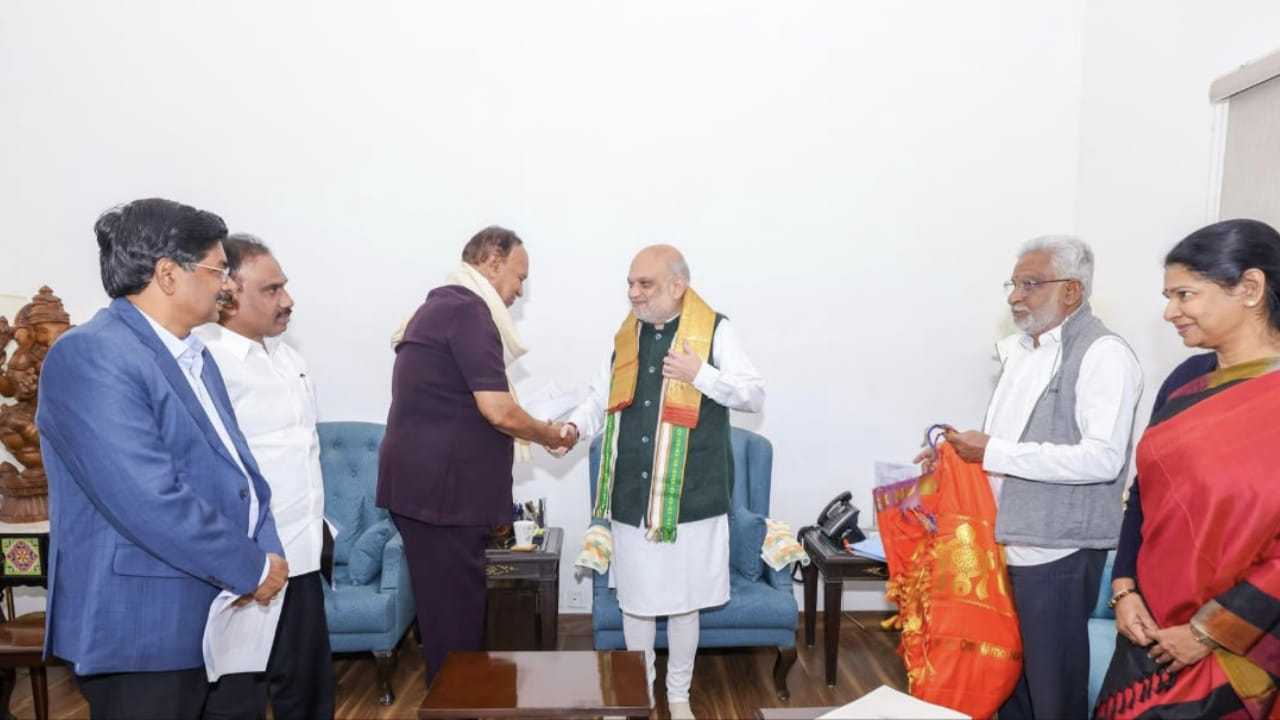
To understand the magnitude of this shift, one must appreciate the time involved. The DMK did not change its mind overnight. The party spent a full six months in back-channel discussions, carefully probing the intent and implications of the bill behind the scenes. This duration suggests a deliberate strategy rather than a reflexive political maneuver. During this period, the central question was not merely about numbers, but about influence. Would a change in the map dilute the political power of Tamil Nadu? The DMK leadership, including prominent figures like Kanimozhi, T.R. Balu, A. Raja, and Dayanidhi Maran, weighed these risks with the gravity they deserve. The decision to proceed now indicates that the party believes the risks have been mitigated, or perhaps outweighed by the benefits of alignment with other major players.
A key ingredient in the DMK’s decision-making process appears to be the stance of the Indian National Congress. The shift is reportedly influenced by the Congress’s support for a potential victory, suggesting a coordinated front among opposition parties. In the complex chess game of Indian federal politics, no single regional party acts in a vacuum. By aligning its position with the Congress on this specific legislative matter, the DMK is securing a degree of political insulation. This supportive stance from the Congress likely provided the assurance that the bill would not be used as a partisan tool to disadvantage the South, allowing the DMK to take a stand it might otherwise have avoided. It is a classic case of strategic alignment, where the backing of a larger national party creates the safe space for a regional power to commit to a controversial measure.
It is a precise demand, reflecting a detailed analysis of the projected outcome of the bill.
At the heart of the delimitation bill is the arithmetic of democracy. Delimitation is the process of redrawing electoral boundaries to reflect changes in population. However, India has frozen its representation in the Lower House based on the 1971 census, a constitutional provision that has remained in place for decades. As populations have shifted dramatically since then, with the North growing faster than the South, the debate over whether to adjust seats has been one of the most contentious in Indian politics. The DMK’s new position accepts a 50 percent increase in seats. This is a significant concession to the changing demographic reality. For a party that has traditionally championed the interests of the South, agreeing to this expansion requires a robust justification. It suggests a belief that the gains in absolute numbers will offset the relative changes in political weight, or that the political context now favors such an accommodation.
While the DMK has agreed to the 50 percent increase in total seats, the party is not abandoning its core demands. MP A. Raja, a senior figure in the DMK, stated that the party supports the bill but emphasizes the need to maintain a specific ratio. The target is a 7.18 percent seat ratio for Tamil Nadu. This figure represents the party’s red line, the threshold below which they believe the state’s representation would become untenable. It is a precise demand, reflecting a detailed analysis of the projected outcome of the bill. The DMK is not just saying yes to the increase; it is saying yes, but only if the math works out in a way that preserves its political relevance. This nuance is crucial; it transforms the vote from a blanket acceptance into a conditional endorsement, one that will likely be scrutinized in the coming weeks as the final numbers are crunched.
In explaining the party’s stance, A. Raja provided a projection that adds another layer of complexity. He noted that when seats increase by 50 percent, there will be a 7.21 percent increase. This specific number likely refers to the projected change in the state’s share of the total parliamentary seats or a related metric that the party has closely monitored. By quoting this figure, A. Raja is grounding the political decision in a technical analysis. It signals to the electorate and to the opposition parties that the DMK’s support is informed, not impulsive. The difference between the 7.18 percent target and the 7.21 percent projection is minute, but in the high-stakes world of parliamentary politics, such margins can determine the difference between influence and irrelevance. The DMK appears to be operating on the belief that the 7.21 percent outcome is close enough to their ideal to be acceptable, or that it represents a manageable compromise.
The immediate next step in this unfolding drama is a delegation meeting with Union Home Minister Amit Shah in Delhi. The DMK delegation will include Kanimozhi, T.R. Balu, A. Raja, and Dayanidhi Maran. This meeting is a critical juncture. It is not merely a formality; it is the stage on which the DMK will formally present its position and seek guarantees from the central government. The presence of these four prominent leaders indicates the importance the party places on this interaction. Amit Shah, the chief architect of internal security and political strategy for the ruling coalition, will be the key interlocutor. The DMK’s objective is clear: to ensure that the promise of protected interests translates into legislative reality. The atmosphere of the meeting will likely be tense, with each side testing the other’s limits, but the groundwork has already been laid by the six months of back-channel work.
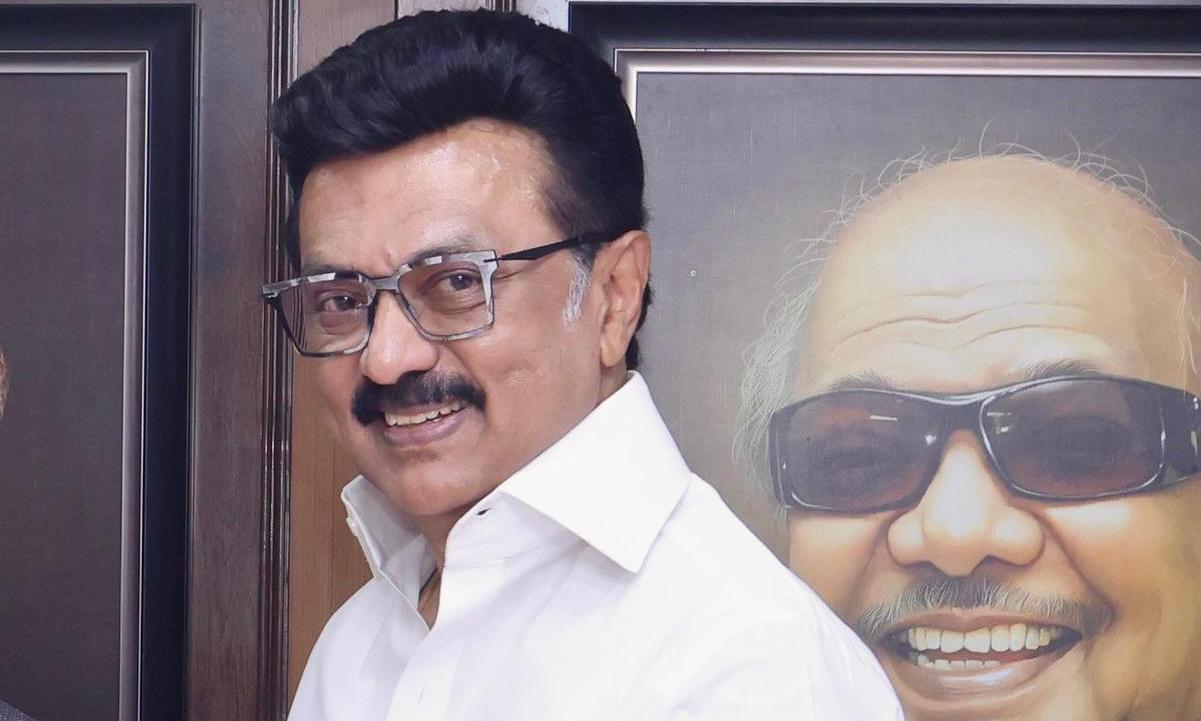
Despite the shift in strategy, the public face of the DMK’s decision rests on a powerful assurance from its leader, Stalin. He has stated that Tamil Nadu’s interests will be protected and that there will be no reduction in representation. This statement is designed to soothe the anxieties of the party’s base, many of whom may view the delimitation bill with suspicion. By framing the support for the bill as a guarantee against reduction rather than a concession to the center, Stalin is managing the narrative. He is telling his supporters that the party is playing offense, not defense. This rhetorical move is essential for maintaining internal cohesion while pursuing an external alignment that might seem contradictory to traditional DMK voters. It bridges the gap between the hard data of the seat ratios and the soft politics of public trust, allowing the party to move forward with confidence that it has not betrayed its core constituency.