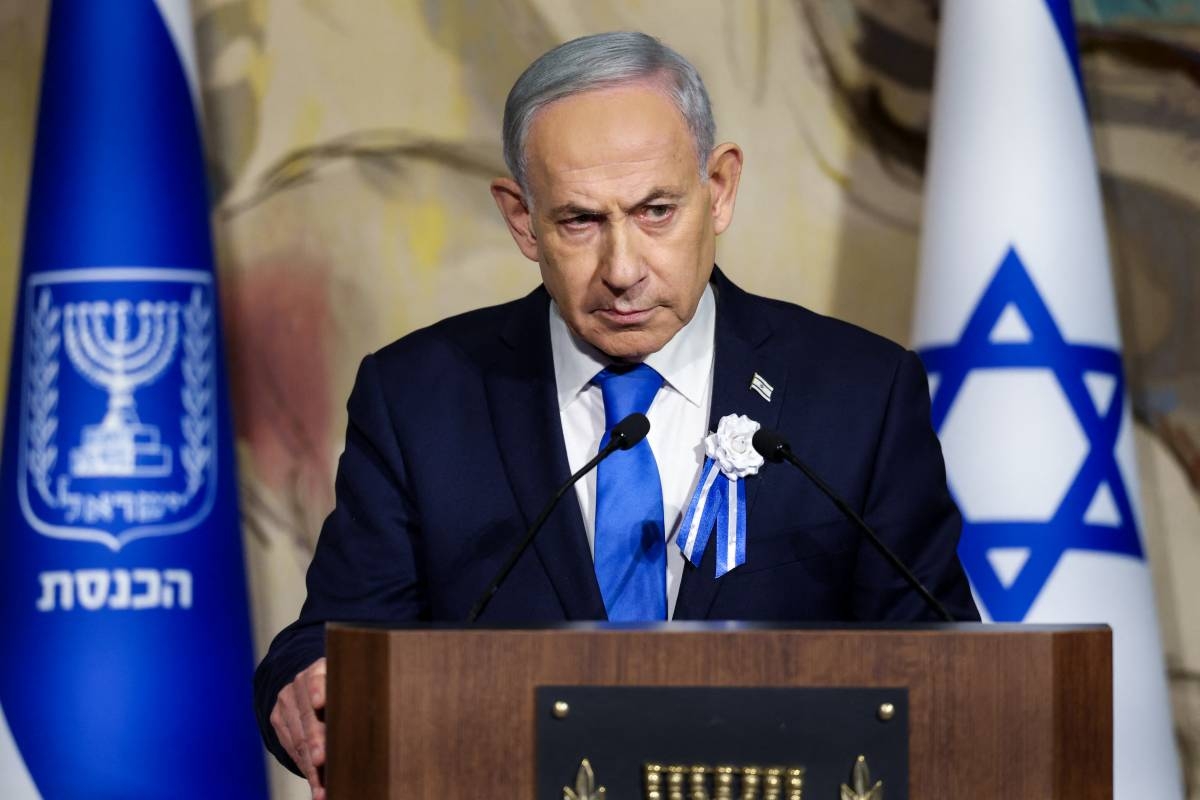
Politics often turns on the arithmetic of survival, and in Israel, that arithmetic has recently grown punishingly narrow. The sequence that brought the country to its current political impasse began on October 1, 2024, when Benjamin Netanyahu’s coalition lost its parliamentary majority in a closely contested election. That electoral defeat upended the established alignments of the 120-seat Knesset, leaving the nation's political future suspended over a deeply divided legislature.
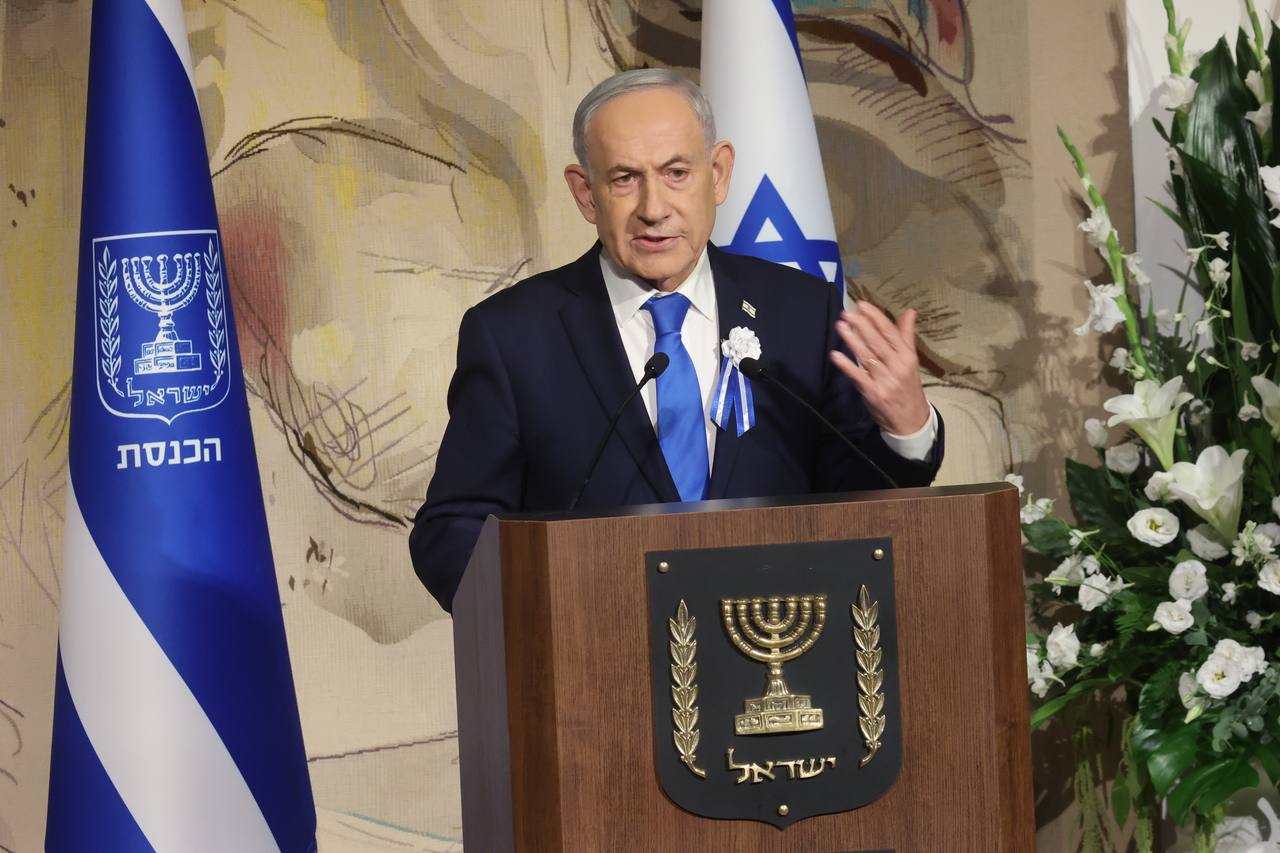
For months, the institutional consequences of that lost majority rippled through the political landscape. Benjamin Netanyahu remained at the helm as caretaker Prime Minister, a position he is mandated to hold until a new government successfully takes office. Yet the caretaker status underscored a stark reality: the old governing bloc had fractured, and a new way forward had to be forged in a parliament where no single faction commanded a natural path to power.
Against this backdrop of parliamentary gridlock, political gravity shifted on November 15, 2026. On that day, Netanyahu met with his political opponent, Gadi Eisenkot, for a security briefing that quickly bled into high-stakes political maneuvering. Seizing the moment, Netanyahu reiterated his call for a national unity government, urging Eisenkot to set aside their disagreements and join forces in a broad coalition.
If Netanyahu hoped to frame the unity proposal as an indispensable security imperative, his political rival viewed it through a fundamentally different lens.
Netanyahu argued that the challenges facing the nation demanded a united front rather than a fragile administrative compromise. He warned against Eisenkot's plan to form a minority 'national emergency government,' characterizing any such arrangement as inherently unstable. Instead, Netanyahu pressed for a sweeping coalition of key Jewish parties ranging from the centre to the right, explicitly designed to exclude Arab-Israeli factions—parties that Netanyahu had heavily campaigned against and whose recent electoral showing had yielded record seats in the Knesset.

Israel's Gadi Eisenkot: Netanyahu continues to divide and incite as if there were no tomorrow. Netanyahu knows he lost the elections. He knows there is an absolute majority against him among Israeli citizens and in the Knesset, and he knows that a new and better government will be formed.
At the heart of Netanyahu's public and private appeals lay an urgent, existential warning regarding foreign adversaries. Netanyahu argued that the Iranian regime, which explicitly seeks Israel’s destruction, is once again working to revive its nuclear program. In his view, this unfolding development requires a supreme, undivided national effort.
Insisting that only a broad coalition could eliminate the existential threat to Israel once and for all, Netanyahu warned that the nation would soon face intense international pressure to accept a nuclear-armed Iran and the preservation of a terror regime determined to annihilate them. In stark terms, he cautioned that this adversary would not hesitate to use nuclear weapons against the country, making internal political divisions an intolerable luxury.
If Netanyahu hoped to frame the unity proposal as an indispensable security imperative, his political rival viewed it through a fundamentally different lens. On November 15, 2026, Gadi Eisenkot summarily dismissed Netanyahu's unity appeal, characterizing the overture as little more than a political ruse.
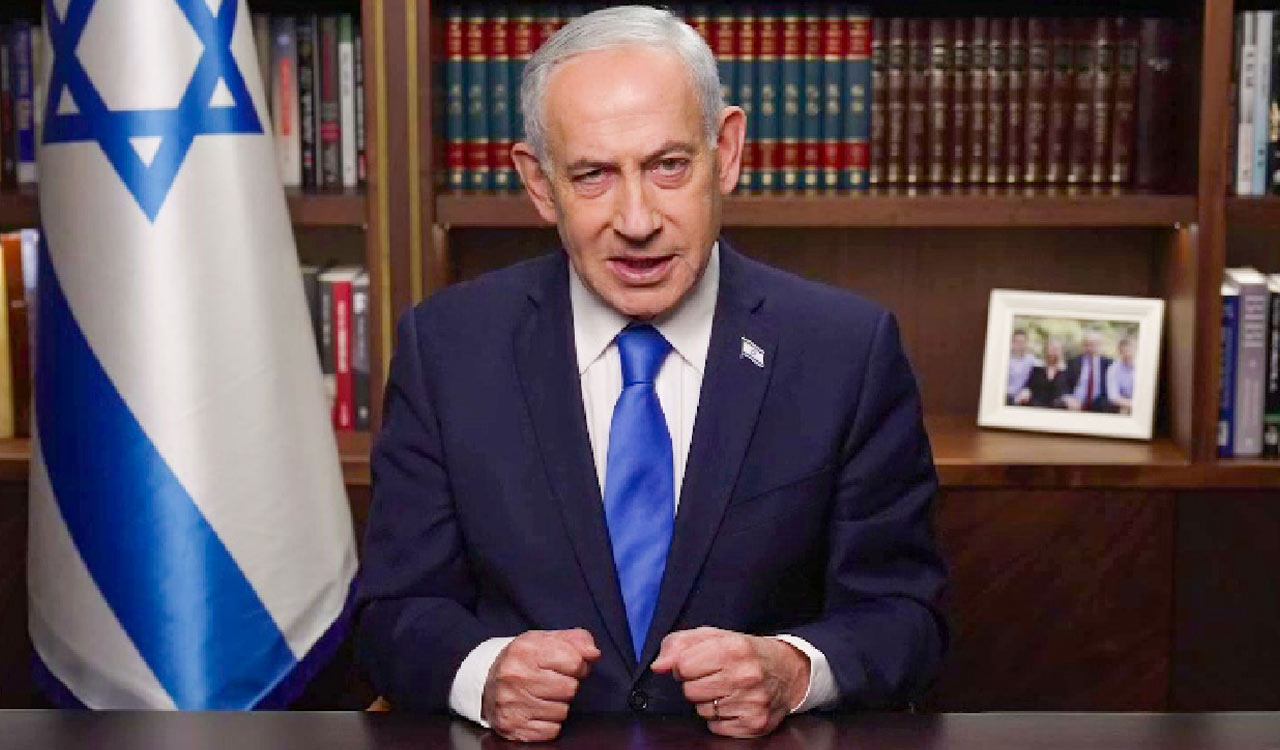
Eisenkot accused Netanyahu of playing tricks and sowing division, asserting bluntly that his rival simply knows he lost the election. Rather than accepting the call to meet in one room without preconditions, Eisenkot made it clear that these tactics would not sway him. Furthermore, Eisenkot strongly criticized Netanyahu's rhetoric toward Arab-Israeli citizens during and after the campaign, a hostile posture that effectively poisoned the well against a direct partnership between the two men.

Netanyahu Calls For "Unity Government", Eisenkot Says He's "Playing Tricks" https://t.co/YrcHzJObjv https://t.co/ybmf2rkK9J
Even as the war of words intensified, institutional deadlines marched forward. Following consultations, President Isaac Herzog formally tapped Gadi Eisenkot to form the next government, handing him a strict 28-day timeframe to build a viable coalition. Under Knesset rules, this initial period can potentially be followed by a 14-day extension, but the immediate pressure on Eisenkot was absolute.
The mathematics facing Eisenkot inside the Knesset are fiercely complicated. The composition of the 120-seat parliament reveals a razor-thin margin for error: Eisenkot’s bloc holds 48 seats, with broader potential backing reaching 67 lawmakers, while Netanyahu commands 46 loyal backers. Hovering in the balance are 26 other members of parliament from Arab and ultra-Orthodox parties who could potentially abstain or complicate any legislative math.
As the political drama continues to unfold, Israel remains anchored in a state of institutional suspension. Benjamin Netanyahu continues to serve as caretaker Prime Minister, holding executive responsibilities while the clock ticks down on Eisenkot's mandate to construct a governing majority. With Eisenkot leading a bloc of 48 seats against Netanyahu's 46, and with deep ideological divides blocking the path to a grand coalition, the nation's political destiny remains caught between the demands of parliamentary survival and the looming shadow of regional threats.

Eisenkot rejects Netanyahu's 'unity' government invite Netanyahu urges unity against Iran threat Eisenkot accuses Netanyahu of political spin @JyotsnaKumar13 tells you more https://t.co/iv3pJZffNG