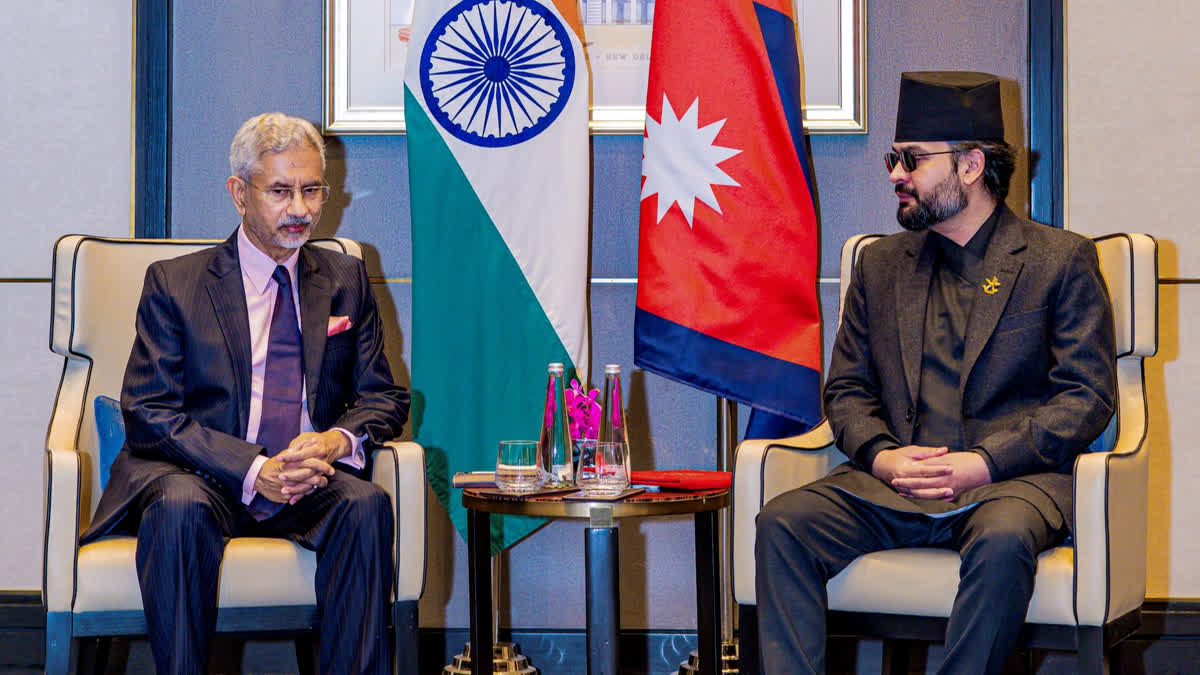
The air in New Delhi crackled with diplomatic significance as Nepal's Prime Minister Balendra Shah prepared to meet his Indian counterpart, Narendra Modi. This Monday encounter marks the first face-to-face interaction between the two leaders, setting the stage for what both sides hope will be a new chapter in their neighboring relationship. Shah's arrival in India on Sunday for his first bilateral overseas visit included an earlier meeting with External Affairs Minister S Jaishankar, setting the groundwork for the pivotal discussions to come.
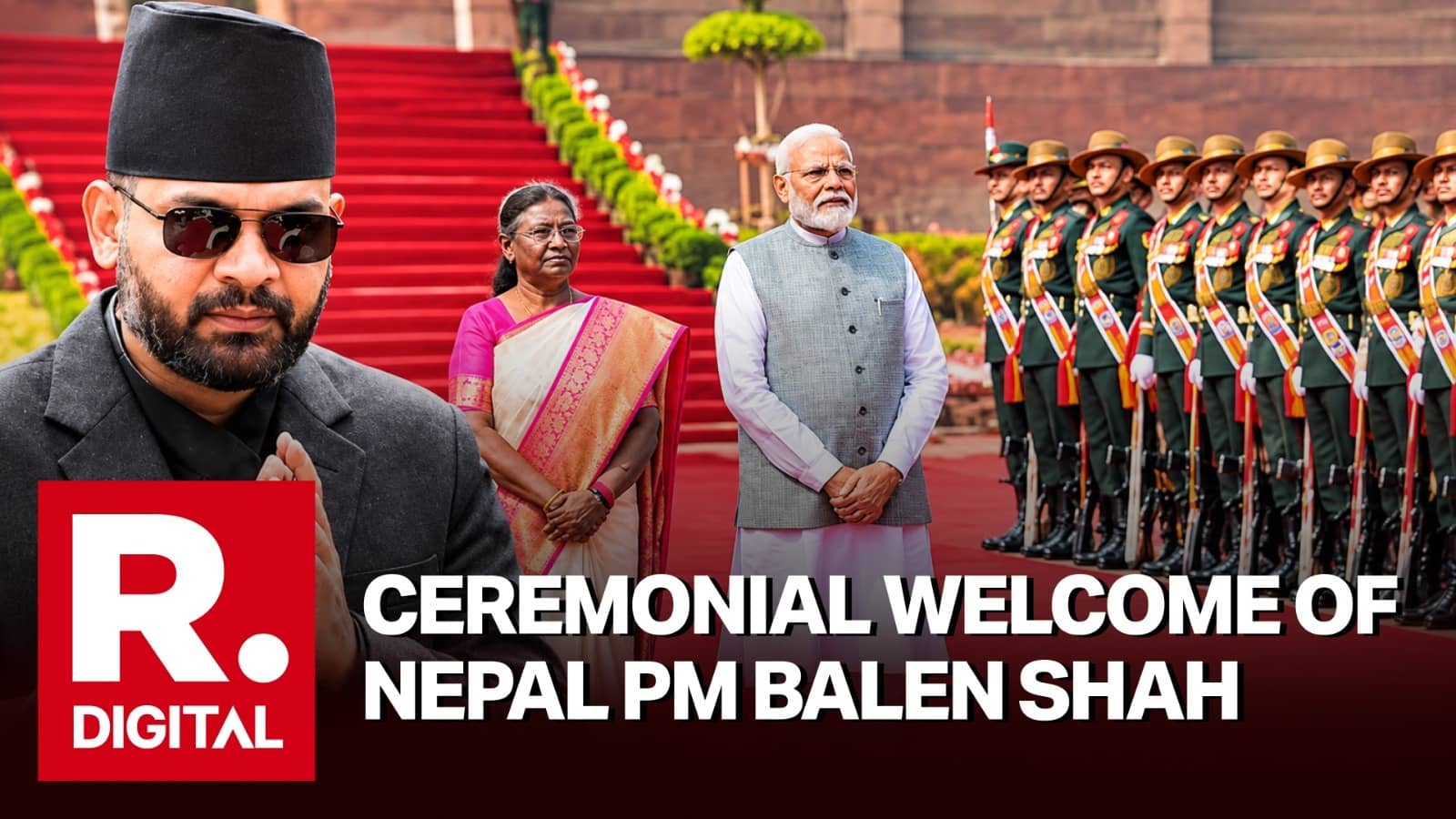
The agenda for the PM meeting reads like a blueprint for comprehensive cooperation, touching nearly every aspect of the bilateral relationship. Discussions will focus on strengthening ties across strategic and economic sectors, with particular attention to infrastructure, technology, connectivity, energy, hydropower, railways, climate change, and disaster management. Both leaders are expected to virtually inaugurate completed projects and lay foundation stones for new initiatives, symbolizing their commitment to tangible progress.
Among the most pressing issues on the table is Nepal's demand for two-way, low-altitude air entry corridors through Indian airspace near its western border. This request is not merely a technical matter but crucial for the commercial viability of the new Bhairahawa airport, which stands as a key development project for the region. The air corridors represent more than just flight paths—they symbolize Nepal's desire for greater autonomy in its transportation infrastructure while maintaining the close relationship with India.
This financial support would likely be directed toward critical development projects and economic stabilization measures.
Beyond infrastructure and connectivity, the economic dimension of the relationship looms large. Nepal is seeking a $2 billion economic assistance package from India, a substantial request that reflects both the scale of development needs and the depth of trust between the nations. This financial support would likely be directed toward critical development projects and economic stabilization measures.
Complementing this immediate request, both countries have finalized a joint vision document outlining the future direction of their bilateral relationship. This comprehensive framework, expected to be released after the meetings, will serve as a roadmap for cooperation in the years ahead, institutionalizing their commitment to partnership across multiple sectors.
As the two Prime Ministers sit down to discuss their shared future, the significance of this first meeting cannot be overstated. For Shah, this represents his first bilateral overseas visit since taking office, signaling the importance he places on the relationship with India. For Modi, the meeting offers an opportunity to reaffirm India's commitment to its neighborhood-first policy, particularly with a key Himalayan neighbor facing both development challenges and strategic considerations.
The discussions taking place in New Delhi this week will likely shape the trajectory of India-Nepal relations for years to come, addressing immediate needs while establishing a framework for long-term cooperation across multiple sectors that impact the daily lives of citizens in both nations.