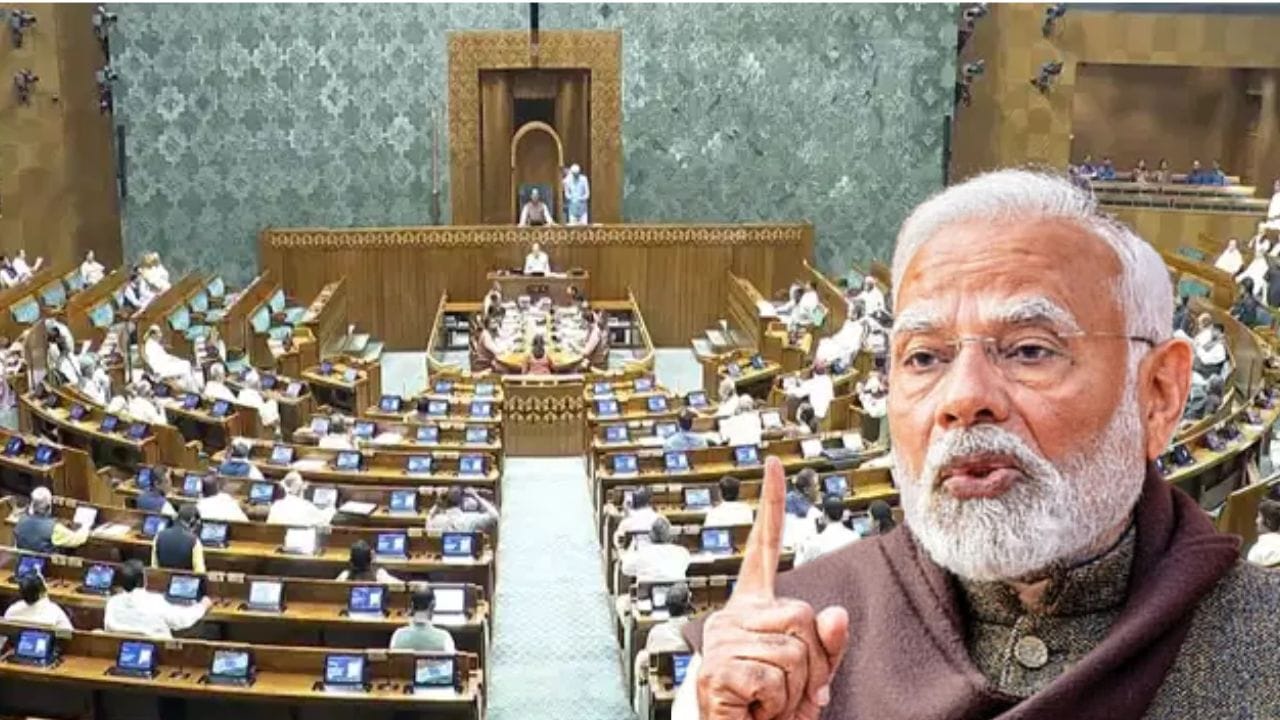
On November 28, 2026, a video message appeared on X, carrying a message of political intent from Prime Minister Narendra Modi. It was not merely a routine update, but a direct reaffirmation of a long-standing legislative ambition: the implementation of a 33 percent reservation for women within India's Parliament and State Assemblies. For a government navigating the complex machinery of Indian democracy, the message served as a signal to both supporters and skeptics that the goal of gender-based representation remains a central pillar of the administration's agenda.
While the intent behind the reservation is widely recognized, the path to its realization is fraught with procedural and political tension. The primary point of contention lies in the relationship between these new quotas and the delimitation process—the periodic redrawing of electoral boundaries to reflect population changes. The opposition has voiced significant concerns regarding this linkage, suggesting that the mechanics of how seats are redistributed could complicate or delay the arrival of women in legislative halls.
To the opposition, the delay inherent in waiting for delimitation is a hurdle that must be cleared immediately. They have demanded that the 33 percent reservation be implemented within the existing framework of the Lok Sabha, which currently consists of 545 seats. For these critics, the mandate for equality should not be contingent upon the shifting lines of electoral maps, but should be applied to the seats that exist today.
By aligning the reservation with the redrawing of boundaries, the government seeks to integrate the quota into the very foundation of the new electoral landscape.
Prime Minister Modi, however, has framed the timeline through the lens of structural necessity. The government's current objective is to have the reservation fully operational by the 2029 Lok Sabha elections. This target year is strategically tied to the conclusion of the delimitation of constituencies. By aligning the reservation with the redrawing of boundaries, the government seeks to integrate the quota into the very foundation of the new electoral landscape.
This approach acknowledges that changing the composition of a legislature is not merely a matter of passing a law, but of reconfiguring the entire electoral architecture. By aiming for the 2029 cycle, the administration is signaling that it views the reservation as a permanent structural shift rather than a temporary adjustment.
In his address, the Prime Minister did not shy away from the difficulty of the task. He acknowledged the hurdles that stand between the current legislative reality and the envisioned future of gender parity. The debate is not just about numbers, but about the timing of power and the method of its distribution. Yet, the Prime Minister’s stance remains one of unwavering resolve, positioning the government as a force capable of navigating these systemic complexities.
"We had made a promise to our Nari Shakti and we remain committed to fulfilling it," Modi stated, invoking the concept of 'Nari Shakti'—the power of women—to underscore the moral weight of the policy. By framing the reservation as a fulfilled promise, he elevates the issue from a technical legislative debate to a matter of fundamental commitment to the nation's female citizenry.
As it stands, the tension between the opposition's demand for immediate action within the 545 existing seats and the government's plan to implement the quota following delimitation remains the defining conflict of this issue. The 2029 elections will serve as the ultimate litmus test for this policy. Whether the reservation arrives as a seamless part of a newly delimited electoral map or faces further delays remains the central question for the future of representation in India's Parliament and State Assemblies.