
In the days leading up to November 13, the rhythm of Bengaluru is being subtly, yet decisively, altered. The city is preparing for the arrival of Prime Minister Narendra Modi, an event that necessitates more than just logistical planning; it requires the construction of a temporary, invisible fortress. This is not merely a matter of presence, but of precision. The Special Protection Group (SPG)—the elite unit tasked with the highest level of protection for India's Prime Minister—has already begun its work, arriving in the city nearly ten days before the scheduled visit to conduct rigorous advance inspections.
These inspections are the foundation of a massive security architecture. For ten days, SPG personnel have been moving through the city's arteries, assessing the vulnerabilities and strengths of the urban environment. This period of preparation is critical, allowing security teams to map out every potential variable before the Prime Minister ever sets foot on local soil.
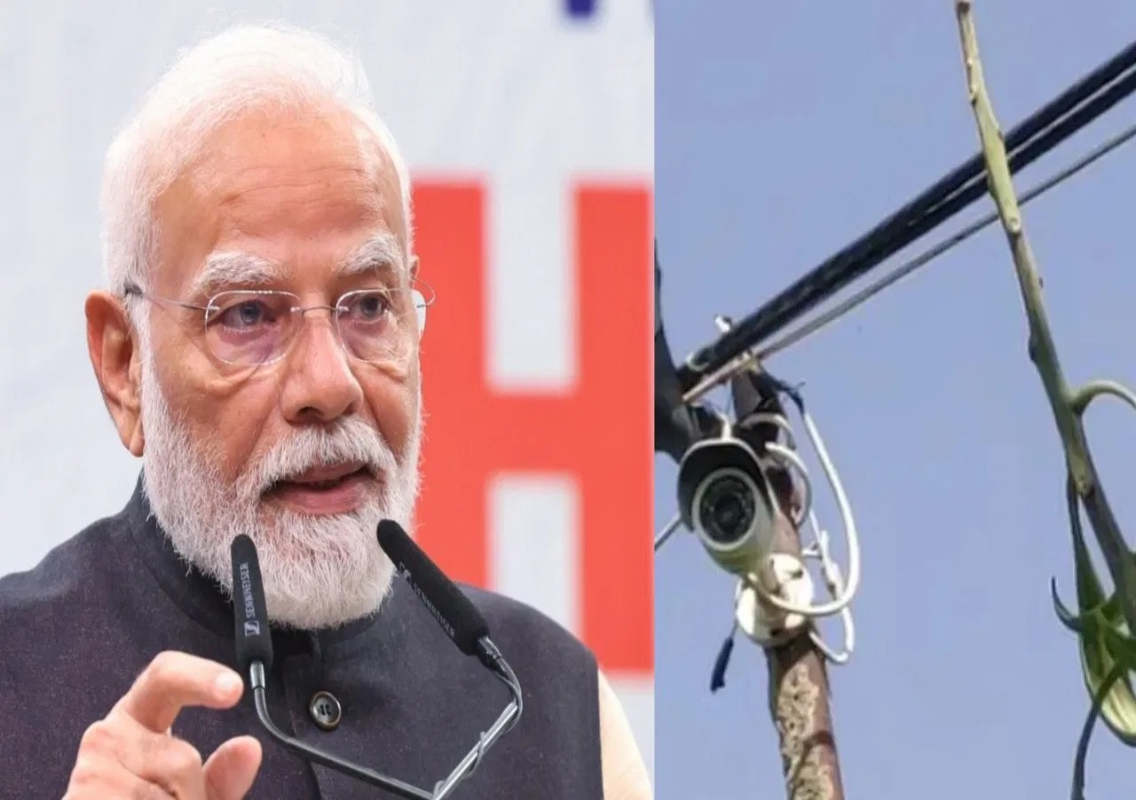
As the date approaches, the visible signs of this preparation are becoming increasingly apparent. The security protocols have been significantly enhanced, moving beyond simple patrols to a sophisticated, multi-layered system of surveillance. Throughout the city, CCTV cameras are being positioned to create a digital net, while officers are being stationed on prominent buildings to maintain a constant line of sight over key areas.
A significant portion of this massive force is dedicated to monitoring the Prime Minister's travel routes and key transit hubs.
This vigilance extends even into the private sphere. In sensitive apartment complexes, the standard protocols of residential living have been heightened; residents are now required to report any new occupants, ensuring that the perimeter of the Prime Minister's potential movements remains tightly controlled. It is a meticulous process of vetting and monitoring that turns the city's infrastructure into a tool of protection.
To manage a task of this magnitude, the Bengaluru City Police have launched a massive mobilization. This is not a routine deployment, but a concentrated surge of manpower and expertise. Supervising these complex operations is Bengaluru City Police Commissioner Seemant Kumar Singh, who is overseeing a command structure designed to handle every contingency.
The scale of the personnel involved is staggering. The operation is being driven by a hierarchy of leadership, including three joint commissioners and 15 Deputy Commissioners of Police. Supporting this senior command are 20 Assistant Commissioners of Police, 30 inspectors, and over 100 sub-inspectors. Beneath this specialized command structure, more than 1,000 civil police personnel have been deployed to provide the necessary boots on the ground.
Security is not just about standing guard; it is about the control of movement. A significant portion of this massive force is dedicated to monitoring the Prime Minister's travel routes and key transit hubs. The city's metro stations, vital veins of Bengaluru's daily life, are under intense scrutiny.
Every path the Prime Minister might take, from the arrival point to the various venues on his itinerary, is being mapped and secured. This involves a constant presence to ensure that the transit corridors remain clear and that the transition between locations is seamless and, most importantly, secure. The goal is to create a controlled environment that moves with the Prime Minister, shielding him from the unpredictability of a bustling metropolis.
The Prime Minister's itinerary for the visit includes two distinct milestones that require specific security focuses. One is a moment of celebration: the golden jubilee of Prashanti Kuteeram. Such events, often attended by community members and dignitaries, require a delicate balance of high security and the ability to manage large, celebratory crowds.
The second major event is a piece of urban infrastructure: the inauguration of the Namma Metro Pink Line at Tavarekere station. Inaugurations of major transit lines are high-profile public events, often involving significant foot traffic and media presence. Securing a metro station—a complex, multi-level environment—adds another layer of difficulty to the already immense task facing the SPG and the local police.
As the city moves toward November 13, the sheer volume of coordination required becomes clear. The integration of the SPG's elite tactical planning with the Bengaluru City Police's massive manpower creates a dual-layered shield. One layer provides the specialized, high-level protection necessary for the head of government, while the other provides the broad, city-wide coverage required to manage the public spaces and transit networks.
It is a massive, synchronized effort that transforms the city's daily operations into a highly regulated security operation. While much of this work happens behind the scenes or through the silent gaze of a camera, the presence of over a thousand officers and a specialized elite team ensures that the Prime Minister's visit is conducted within a strictly defined and highly monitored perimeter.