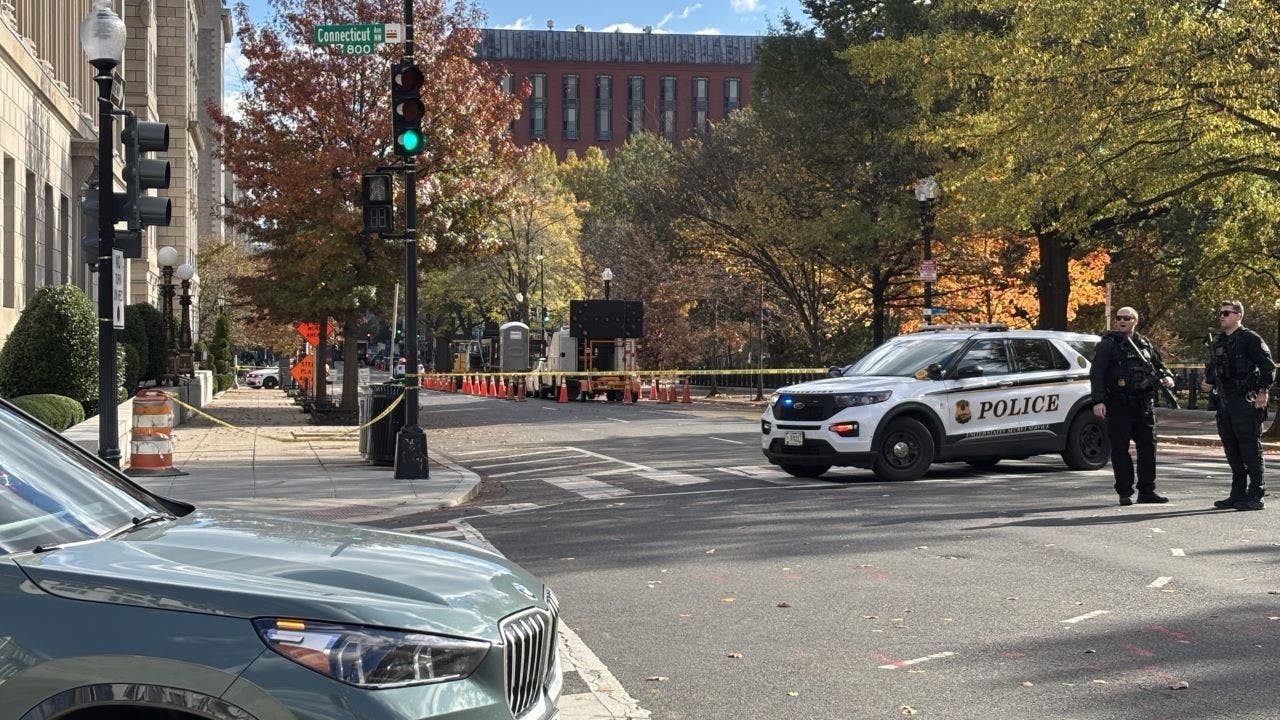
On November 9, 2026, the quiet of Lafayette Square— the historic park that borders the west side of the White House—was shattered by the screech of tires and a metallic thud. At precisely 10:00 local time, a vehicle careened off the road and struck the park’s perimeter sidewalk. The impact was captured by on-lookers and quickly spread across social media, where a short video showed the car’s front end smoking as the driver scrambled out.

The Secret Service, the federal agency tasked with protecting the president and securing the White House complex, responded to the incident. Their statement, released later that day, described how the driver resisted arrest before being subdued. In the same timeframe, a second individual attempted to scale the security barricade at the park’s northwest corner. That suspect, too, was apprehended swiftly by agents.

Man arrested outside White House after crashing vehicle into Lafayette Square Park https://t.co/miNO0sKbQc https://t.co/zE8iY4pJUf
President Donald Trump was inside the White House at the time of the incident. While the president’s daily schedule is typically shielded from public view, the fact that he was on the premises added a layer of urgency to the response. The Secret Service’s mandate to protect the commander-in-chief meant that every resource was mobilized to secure the area and assess any potential threat to the president’s safety.
” The short clip circulating online shows the driver exiting the smoking vehicle, a visual that quickly became the centerpiece of the day’s coverage.
In the wake of the crash, the White House temporarily halted all entry and exit. The iconic residence, usually a hub of diplomatic traffic, became a sealed zone as agents cleared the surrounding streets. Traffic on the adjacent avenues was stopped. These measures, though brief, underscored the delicate balance between openness and security that defines the capital’s core.

Man arrested outside White House after crashing vehicle into Lafayette Square Park https://t.co/H05dV8mAQK
The agency’s official communiqué, originally issued in Turkish, read: “Around 10:00 local time a vehicle struck the sidewalk surrounding Lafayette Park. The driver resisted the security forces but was quickly taken into custody. At the same time a second individual breached the security barricade at the northwest corner of Lafayette Park. This suspect was also captured by the teams in a short period.” Translated, the statement emphasizes the speed and coordination of the response, highlighting that both suspects were detained “in a short period.”
The short clip circulating online shows the driver exiting the smoking vehicle, a visual that quickly became the centerpiece of the day’s coverage. While the footage does not reveal the driver’s identity, it provides a stark illustration of the chaos that unfolded on the park’s historic promenade. The image of a smoking car amid the manicured lawns of Lafayette Square resonated precisely because it juxtaposed ordinary vehicular mishap with the extraordinary security environment of the nation’s capital.

It appears security incident outside the White House may be related to a car crashing into a post near Lafayette Park. https://t.co/Z5wALS5Rqs
Following the arrests, the Secret Service announced a “wide-ranging investigation” into the incidents. The agency’s investigative arm will examine whether the two breaches are linked, the motives behind the driver’s resistance, and any possible connections to prior security events. The investigation’s breadth reflects the agency’s standard practice of leaving no stone unturned when the president’s vicinity is involved.
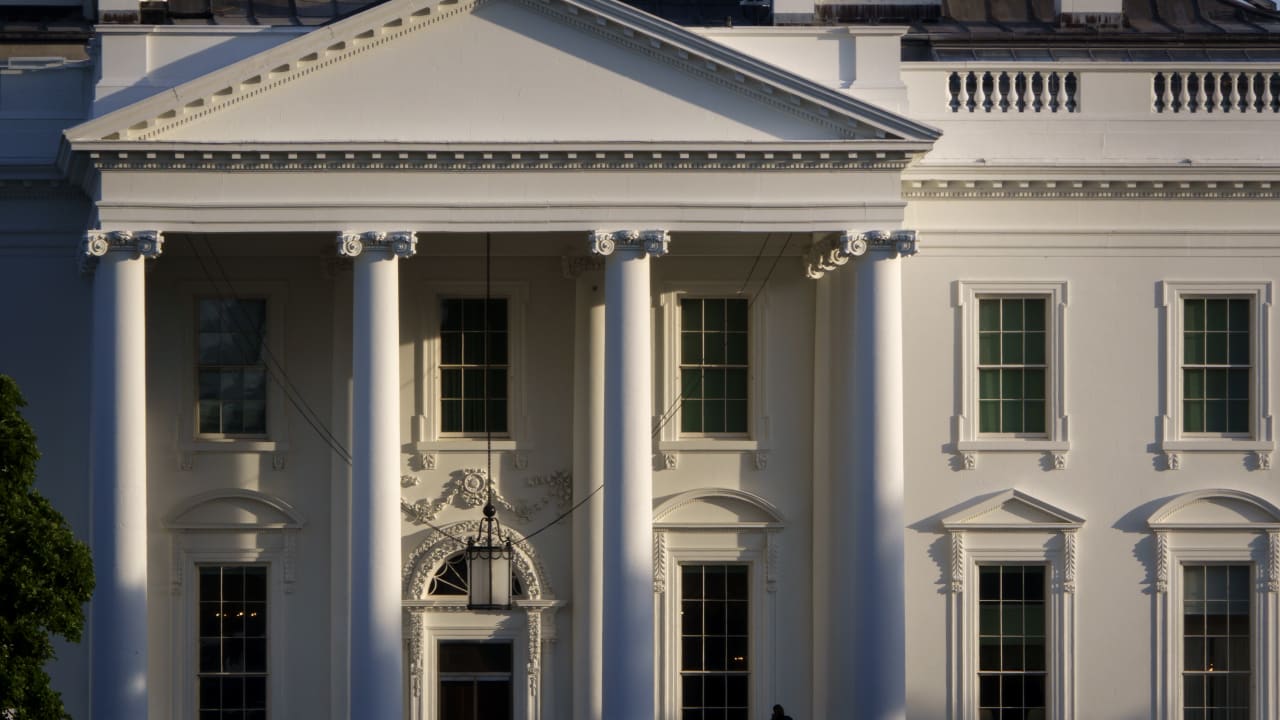
The chronology notes a prior event when an individual crashed a vehicle into the same park. Although the 2023 episode remains separate in the official record, its inclusion in the timeline suggests that Lafayette Square has faced similar threats before. The recurrence of vehicle-based incursions raises questions about the adequacy of existing perimeter defenses and the evolving tactics of those who seek to breach them.
The rapid closure of the White House and the immediate traffic halt illustrate how quickly normalcy can be suspended in Washington, D.C., when security is threatened. For residents and commuters, the incident was a reminder that the city’s iconic landmarks are also high-security zones. For the Secret Service, it reinforced the importance of layered defenses—from physical barricades to rapid response teams.
As of the latest update, authorities have not released further details about the suspects’ identities, motives, or any legal charges they may face. The White House remains under temporary security restrictions, and traffic on the surrounding streets has been halted. The investigation remains ongoing, and the Secret Service continues to assess whether additional security measures are warranted at Lafayette Square.
In the days ahead, the focus will shift from the immediate shock of the crash to the deeper analysis of how such breaches occur and what can be done to prevent them. For now, the image of a smoking car on a historic sidewalk stands as a vivid reminder that even the most guarded spaces can be momentarily pierced, prompting a swift and decisive response from the nation’s protectors.