
For the residents of Kyiv, the rhythm of life is often dictated by the piercing sound of air raid sirens. On the evening of November 16, that rhythm was shattered as Russian military forces launched a coordinated campaign of missile strikes across five major Ukrainian cities: Zaporizhzhia, Dnipro, Kyiv, Cherkasy, and Kharkiv. It was a stark reminder of the reach of the ongoing conflict, but for those in the capital, the ordeal was only beginning.
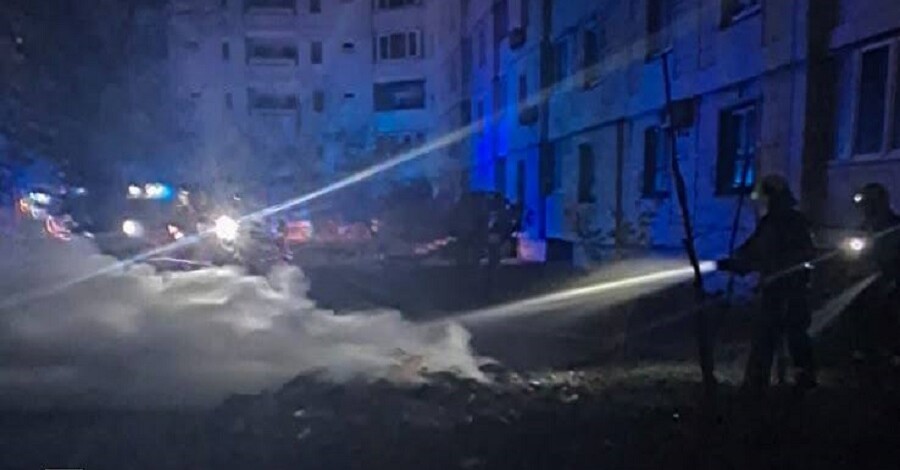
At 23:30, the first wave of ballistic missile attacks struck Kyiv. The impact was immediate and visceral. Kyiv Mayor Vitali Klitschko reported that the city’s vital arteries—the Northern and Southern bridges—had been hit. These structures are more than just concrete and steel; they are the essential connectors for a sprawling metropolis. The damage extended beyond the bridges, striking critical infrastructure systems that sustain the city’s population. As the night deepened, residents in certain districts began to experience the cold reality of the strikes: intermittent disruptions to water and heating supplies.
Just as the city attempted to process the initial damage, the threat returned with renewed intensity. On the morning of November 17, the atmosphere in Kyiv shifted from recovery to survival. At 05:36, a red alert was declared across the city, signaling a new, imminent ballistic threat. The tension held for only a few minutes before the sky over the capital was lit by the violence of a second, rapid-fire assault. At 05:40, a series of powerful explosions echoed through the city, marking the arrival of the second wave of Russian ballistic missiles.
At 05:40, a series of powerful explosions echoed through the city, marking the arrival of the second wave of Russian ballistic missiles.
Among the most visible casualties of the morning strike was the Kyiv Metro, the city’s subterranean lifeline. The surface infrastructure of the metro system sustained damage, forcing authorities to make the difficult decision to suspend service on the green line between the Osokorky and Krasnyi Khutir stations. The metro, which serves as both a transit network and a critical shelter for citizens during air alerts, was forced to contract.
Currently, the system is operating in a truncated state. The Kyiv Metro announced that trains are only running on the underground section between the Syrets and Vydobychy stations. "Trains are currently operating only on the underground section between Syrets and Vydobychy," the authority stated, offering little immediate comfort to commuters who rely on the full span of the line. The metro authority has promised to provide further information as they assess the damage and determine when service can be restored.
While Kyiv grappled with the impact on its transit and utility grids, the broader regional picture remained grim. The strikes on November 16 were not confined to the capital; in the Cherkasy region, three people were reported injured, and in Zaporizhzhia, an industrial facility was hit. These events underscore the indiscriminate nature of the ballistic attacks, which have targeted both the industrial capacity of the nation and the daily stability of its urban centers.
As the city enters the aftermath of these two waves of strikes, the focus remains on stabilization. Mayor Klitschko confirmed that while air defense forces were active throughout the night, they could not prevent all consequences of the barrage. The damage to the bridges and the disruption of essential services like water and heat serve as a testament to the vulnerability of urban infrastructure in the face of ballistic weaponry. For now, the people of Kyiv wait for updates on the metro’s restoration and the repair of their utilities, living in the shadow of a conflict that continues to test the resilience of their city.
