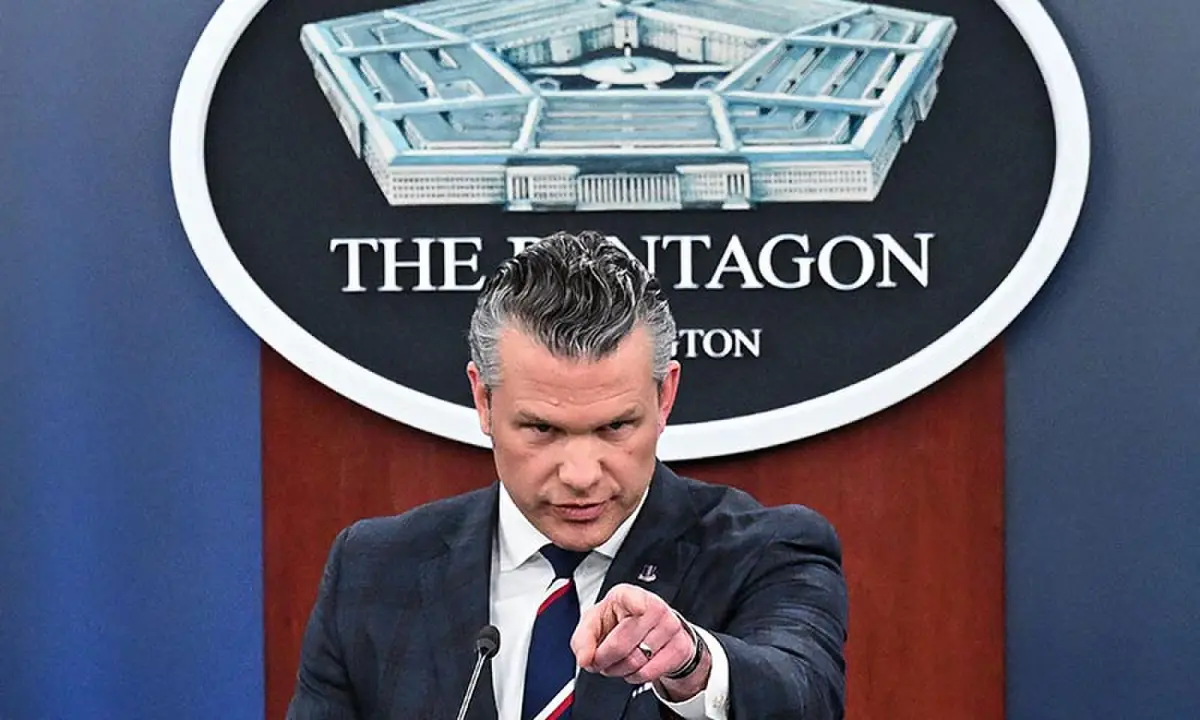
The air in the Pentagon press briefing room was not calm when Secretary of Defense Pete Hegseth took the podium. He was not there to discuss battlefield tactics or logistical supply chains. He was there to defend his position against a direct threat to his tenure, a threat that came not from the opposition party, but from within his own. "It’s a farce," Hegseth said, his voice tight with frustration. "And it’s a stunt, and everybody knows it."
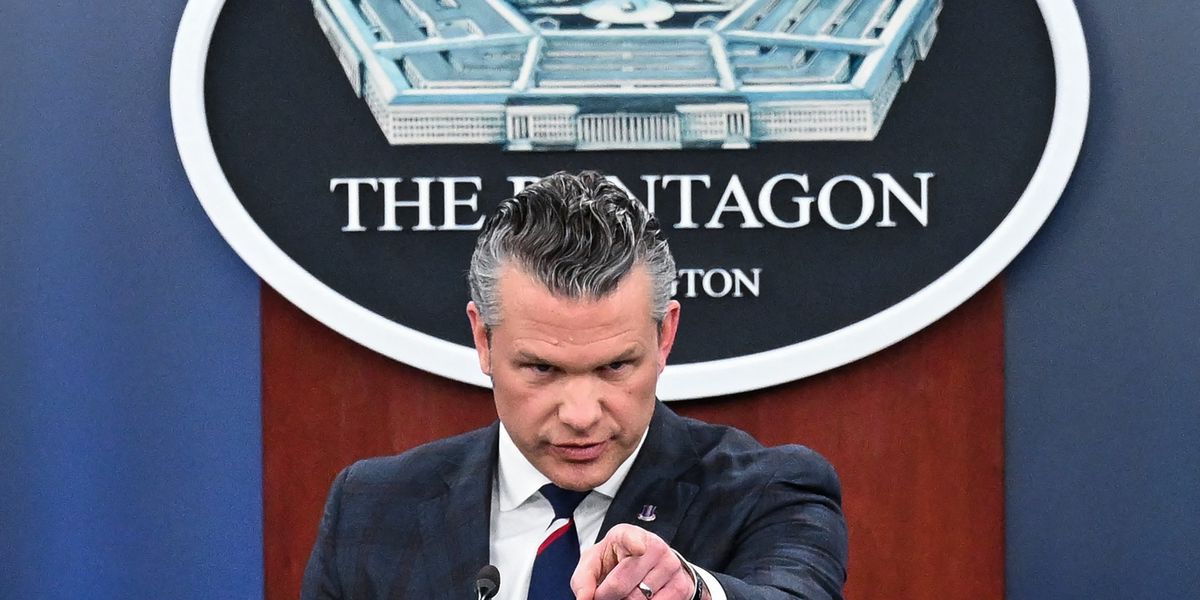
For a newcomer to the intricacies of American governance, the scene is a study in contradictory signals. How does a Secretary of Defense, the man responsible for the safety of American troops, face impeachment from a member of his own political party? The answer lies in a document of eight articles of impeachment filed by Representative Thomas Massie of Kentucky. Massie, a Republican, introduced the articles on Monday, effectively accusing the Secretary of abuse of authority. He alleged that Hegseth had conducted military operations in Iran, Yemen, and Venezuela without the requisite Congressional authorization, a violation of the War Powers framework that has lingered in American political debate since 1973.
Hegseth did not wait to respond. Speaking at the Pentagon, he characterized the resolution as "sabotage" of President Donald Trump's lawful decisions. He argued that the move serves US adversaries by signaling a willingness to punish civilian leadership for successful military actions. "This resolution shows our enemies – Iran, cartels, and every opponent – that the US is ready to punish its own military and... civilian leadership," Hegseth stated. To him, this was not a procedural hurdle; it was an existential danger. He warned that the action "puts a target on the back of American warriors," framing the legislative maneuver as an attack on the men and women serving in the field.
Hegseth asserted that such disagreements should be resolved through parliamentary debates and elections rather than judicial theatrics.
The fight, however, was not just about the troops. It was about the balance of power in a shifting House of Representatives. The political landscape had been reshaped by the November midterms, leaving the Republican majority razor-thin. In such a fragile environment, the traditional party discipline of voting for the administration is fraying. Several House Republicans privately indicated that the impeachment could pass, driven by a mix of personal resentment toward Hegseth and the absence of lawmakers who had lost their seats in the recent election. The absence of these lawmakers meant that the "loyalists" who might have blocked the procedural path were simply not in the building.
Hegseth's position was that policy disagreements do not meet the constitutional standards for impeachment. He argued that treason or bribery are the historical grounds, and that resolving foreign policy disputes through "sham trials" is a misuse of the legislature. Hegseth asserted that such disagreements should be resolved through parliamentary debates and elections rather than judicial theatrics. Yet, the timing of the resolution made it difficult to ignore the underlying tension.
The role of House Speaker Mike Johnson in this saga was neutral but critical. He had previously labeled the effort a "stunt," lending the administration's top legislative figure a certain distance from the maneuver. However, the procedural requirements of the House are rigid. The privileged resolution required action within two legislative days. This meant that after a procedural vote, the House could not simply shelve the matter. It had to be addressed, forcing a public confrontation that both sides would later debate in the halls of power.
Hegseth’s defense relied on a simple but potent premise: that one legislator, no matter how prominent, is not in a position to veto the decisions of the lawfully elected supreme commander. "One legislator... is trying to veto the decisions of... the lawfully elected supreme commander... This is not patriotism. It is sabotage," he said, repeating the phrase with the weight of a man who feels his back against the wall. The use of "patriotism" versus "sabotage" was a deliberate rhetorical framing, designed to make any vote for impeachment an act of disloyalty to the nation.
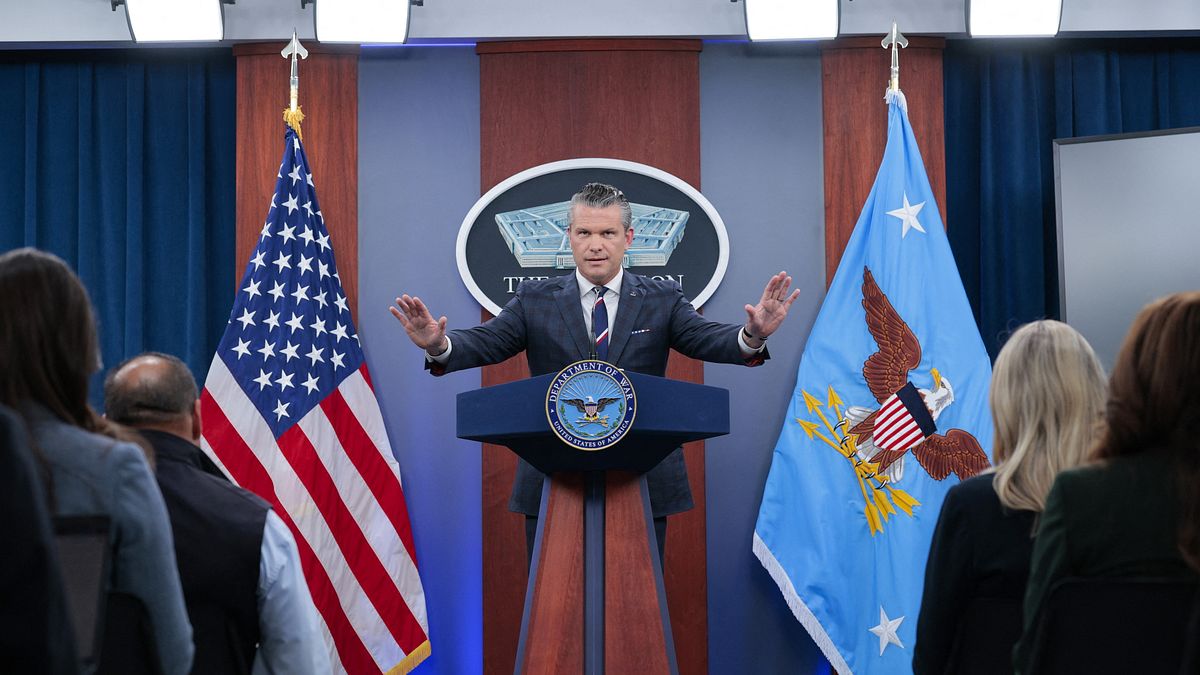
As the resolution moved through the chamber, the eight articles of impeachment served as a checklist of grievances, not just legal ones. They highlighted the specific operations in Iran, Yemen, and Venezuela that Massie claimed lacked legal sanction. For the uninitiated, this is where the abstract meets the concrete. The War Powers Resolution is a statute that limits the President's ability to engage the armed forces in hostilities without a declaration of war or specific congressional authorization. By invoking it, Massie was not just attacking Hegseth’s character; he was attacking the legal basis of his orders.
The outcome of the vote is not just about whether Hegseth survives. It is a test of the executive-legislative relationship in an era of polarized foreign policy. With the Republican majority so thin, the impeachment process has become a proxy war for control of the institution. Whether it passes or stalls, the act of introducing it has already forced the administration to articulate its legal justification to the country. And in doing so, it has pushed the debate beyond the Pentagon and into the daily political reality of a House that is fighting for its own relevance in a moment of intense national focus on global security