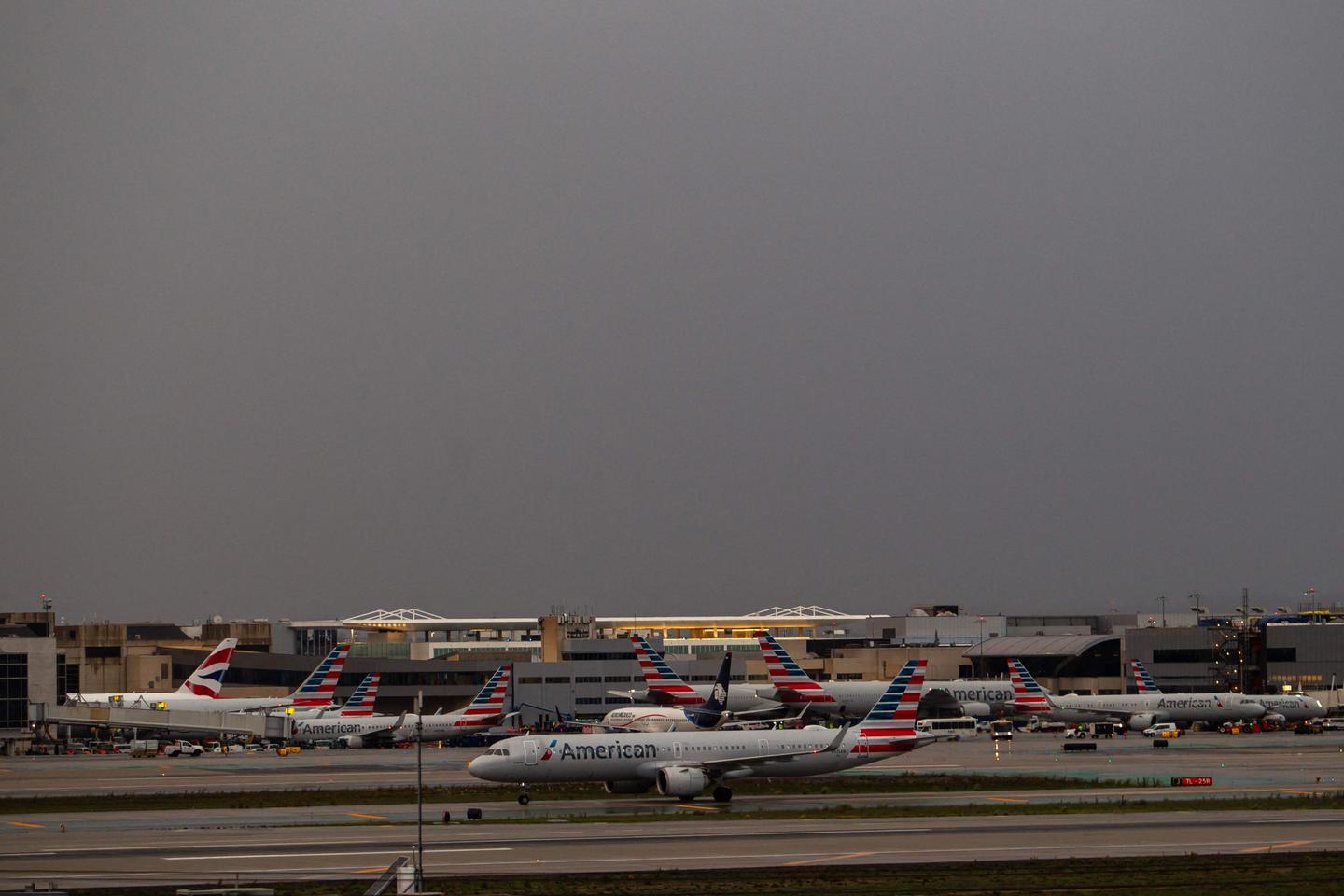
At 7:00 a.m. on a Tuesday, the United States' commercial aviation system, a machine of immense complexity and precision, simply stopped moving. For travelers across the nation, the morning began not with the hum of an engine but with a bewildering wait. FlightAware, the industry's primary tracker of air travel, announced that approximately 4,000 domestic and international flights had been cancelled in a single day. This wasn't a blip; it was a systemic failure that rippled through the economy, stranding professional sports teams, academic conferences, and millions of ordinary people trying to get from point A to point B.
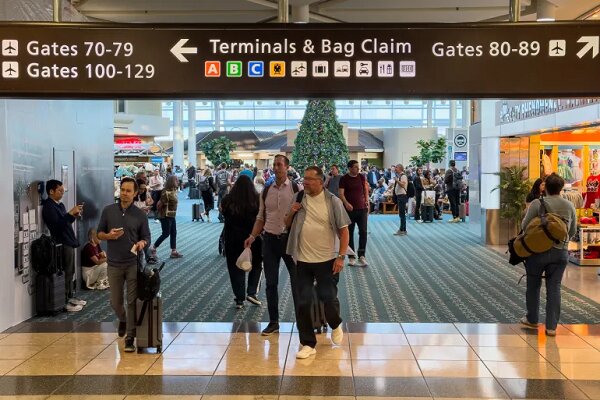
The impact was not evenly distributed. While the entire system was frozen, the pain was felt most acutely by the major carriers. Delta Airlines, one of the world's largest airlines, saw 20% of its flights cancelled. United Airlines followed closely behind with 18% of its schedule wiped out. American Airlines, the largest carrier by fleet size, was not spared, with 15% of its flights grounded. The scale of the cancellations meant that for many, the day's travel plans were not just delayed but erased entirely. The ripple effect was immediate, turning airports into temporary cities of displaced passengers, their luggage and hopes left in the terminal while the planes sat idle on the tarmac.
Amidst the chaos, the federal government moved to reassure the public. Pete Buttigieg, the U.S. Secretary of Transportation, took to the airwaves to address the situation. His message was one of calm assurance, aimed at quelling fears that the skies had become unsafe. "You will still see some delays and cancellations as airlines reschedule flights and position aircraft or crew where they are needed most," Buttigieg said. His statement was a crucial piece of information for the anxious traveler: the ground stop was a logistical maneuver, not a safety crisis. The government was in control, and the system was being managed, even if it was not operating at full capacity.
It was not a single point of failure but a cumulative pressure on a system that was struggling to keep up with modern demands.
As the day wore on, the root cause of the disruption began to emerge. It was not a single point of failure but a cumulative pressure on a system that was struggling to keep up with modern demands. Trump administration officials, speaking on the condition of anonymity, pointed to a specific culprit: the air traffic control system itself. They argued that the addition of new technologies to the aging infrastructure was putting excessive strain on equipment that was decades old. This pressure was causing intermittent communication breakdowns and radar disruptions, creating a perfect storm of inefficiency that led to the nationwide ground stop. The system, they suggested, was being asked to do more with less, and the result was a total system failure.
The duration of the ground stop was as significant as its cause. It was the longest nationwide ground stop in 25 years. This statistic is a powerful reminder of how rare such an event is. For a quarter-century, the system had operated with a degree of reliability that made such a total halt almost unthinkable. The 2026 event marked a stark departure from that norm, signaling a potential new era of instability in American air travel. The 25-year gap between this event and the previous longest ground stop serves as a historical anchor, highlighting the unprecedented nature of the disruption.
As the sun set on the day of the disruption, the full extent of the chaos began to settle. The 4,000 cancelled flights represented more than just empty seats; they were a massive economic hit, a logistical nightmare for businesses, and a personal crisis for millions. The airlines were left to piece together their schedules, repositioning aircraft and crew in a desperate attempt to return to normalcy. The Secretary of Transportation's warning of ongoing delays was a stark reality, as the system struggled to clear the backlog of flights that had been stranded. The day was not over for the air travel industry, and the road to recovery would be long and arduous.