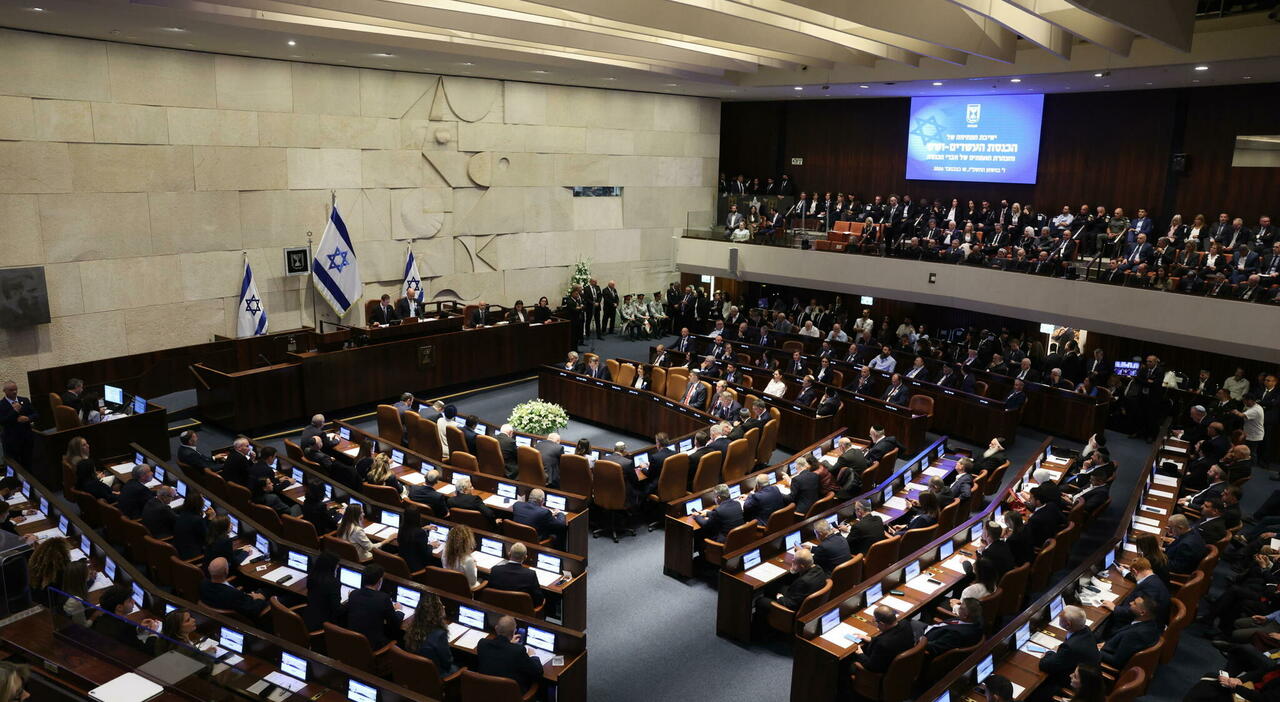
For anyone watching Israeli politics from the outside, the inner mechanics of the Knesset can sometimes feel like a fortress of arcane rules and tightly guarded procedure. Yet within this legislative chamber, the office of the speaker holds immense sway over the daily rhythms of governance. The speaker does not merely keep order; they control the parliamentary schedule, deciding which bills reach the floor and which language moves forward, thereby exerting a profound influence on a prime minister's legislative legacy. It is the kind of post that quietly shapes the nation's political landscape long before voters ever return to the ballot box.
On November 17, 2026, that office changed hands in a vote that rattled the established order. The Israeli Knesset elected Matan Kahana as its new president, stepping into a role previously held by Amir Ohana from the Likud party. For the ruling coalition and Prime Minister Benjamin Netanyahu, the transition was far from routine. It represented an unexpected check on executive momentum, delivered right from the heart of the legislature.
The arithmetic of the chamber is unforgiving, demanding a simple majority of at least 61 votes to secure the presidency. When the final tally was cast, Kahana cleared that hurdle comfortably, pulling in 66 votes. His opponent, Ofir Katz representing Likud, managed 53 votes. In a system where coalitions are fragile and every single vote is heavily contested, a margin of 66 to 53 is not just a win; it is a clear statement of legislative intent.
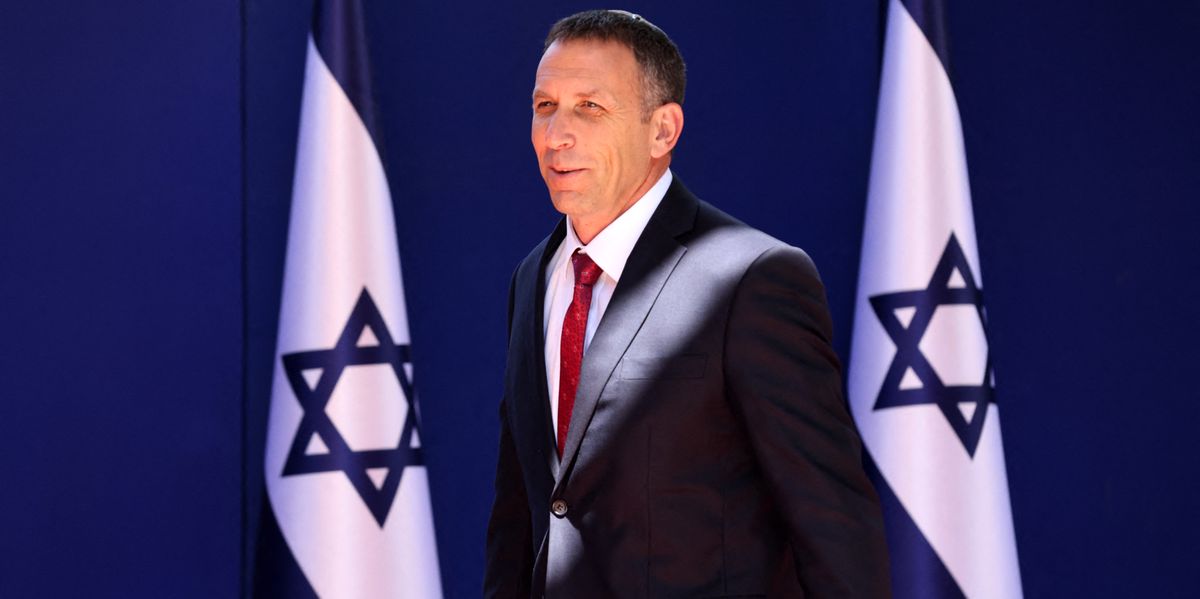
Kahana is a member of the Yashar party and a former special forces operative, a background that brings a distinct profile to his public service.
To understand how that majority came together, one has to look closely at the political architecture of the opposition. Kahana is a member of the Yashar party and a former special forces operative, a background that brings a distinct profile to his public service. More crucially, he is a close ally of Gadi Eisenkot, the leader whose political bloc spans four distinct parties. Eisenkot’s camp has found itself navigating a complex parliamentary ecosystem, and securing the Knesset presidency required weaving together disparate strands of the opposition.
The path to 66 votes required a broad and unconventional coalition of forces within the chamber. Alongside the support of Eisenkot's four-party bloc, Kahana's victory was cemented by the crucial backing of Arab-majority parties—specifically the Ra'am and United List parties. In the fluid dynamics of the Knesset, assembling a winning alliance across such ideological divides is a delicate exercise, demonstrating how strategic cooperation can reshape power balances inside the building.
For Benjamin Netanyahu, the elevation of an opposition stalwart to the speaker's chair introduces an immediate variable into the governance equation. Netanyahu’s legislative agenda now faces a different kind of oversight. With a seasoned political figure and former special forces operative holding the gavel, the machinery of parliament answers to a different leadership, one capable of altering the very cadence of lawmaking.
Ultimately, the vote remaps the daily realities of Israeli statecraft. As Kahana takes up his duties, the broader camp led by Eisenkot finds itself newly empowered at the center of legislative gravity. Where the speaker’s office once aligned seamlessly with the prime minister's office, it now stands as an independent center of gravity, capable of steering the parliamentary schedule and testing the durability of Netanyahu's legislative legacy in the months ahead.