
In the shadow of the ongoing conflict in Ukraine, the digital battlefield has expanded to include the manufacturers supporting the war effort. Quantum Systems, a Bavarian drone manufacturer based in Gilching, found itself at the center of this silent war in late October 2026. The company, co-founded by Florian Seibel, has emerged as a significant supporter of Ukraine's defense, having built tens of thousands of surveillance drones for the Ukrainian military. This support made Quantum Systems a natural target for those seeking to disrupt the flow of critical intelligence and reconnaissance capabilities to the front lines.
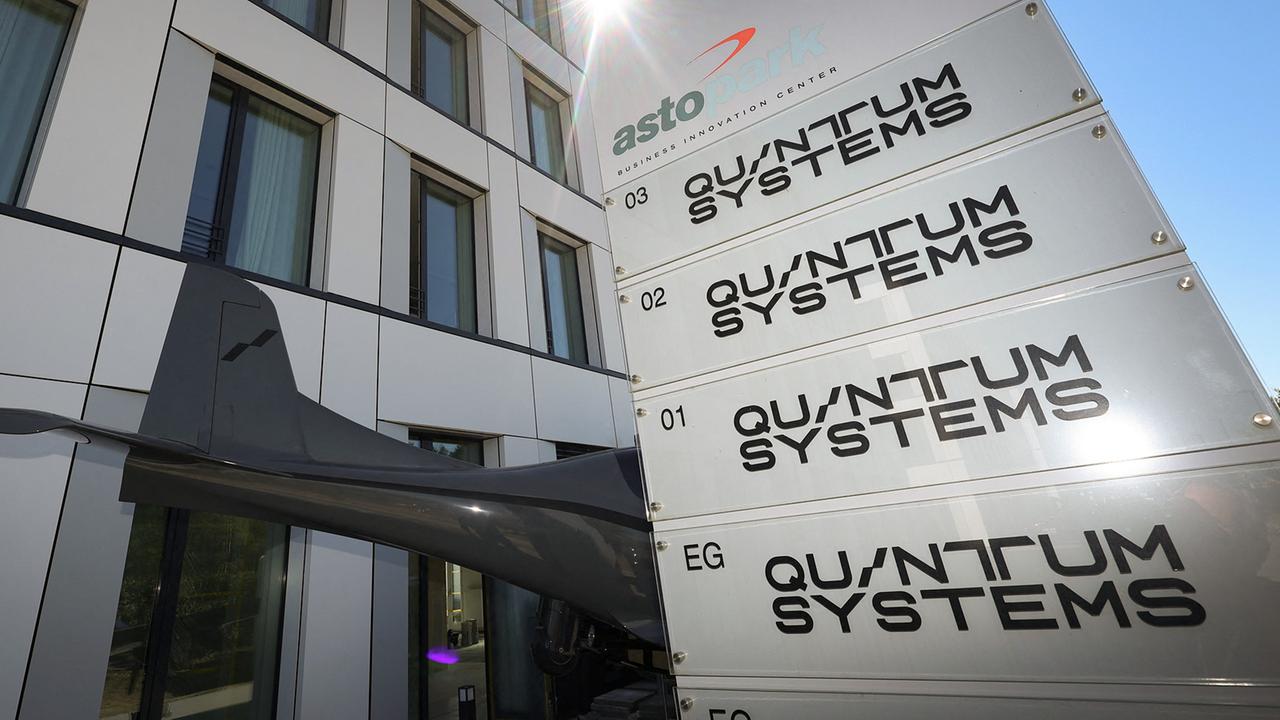
On October 31, 2026, Quantum Systems' digital infrastructure was compromised. Unknown actors, with strong indicators pointing to a Russian origin, managed to install malware on the company's servers. This wasn't just an attack on a single company but a sophisticated operation designed to compromise not just Quantum's systems but also its end-users—primarily the Ukrainian military and the German Bundeswehr. The malware was specifically engineered to infect drones during software updates, potentially rendering them temporarily inoperable at critical moments. As Quantum Systems later stated, "характер инцидента и принятые меры не создают угрозы для конечных пользователей и операторов беспилотников"—the nature of the incident and measures taken do not pose a threat to end users and drone operators.
Quantum Systems has established itself as a key player in the reconnaissance drone market, focusing on military applications. Among its notable products is the Reliant model, a reconnaissance drone capable of over 10 hours of continuous surveillance. This extended operational time, combined with artificial intelligence capabilities, makes Quantum's drones particularly valuable for military operations requiring persistent surveillance. The company's workforce of several hundred employees has been working to meet the growing demand for these sophisticated unmanned aerial systems, establishing a joint venture with Ukrainian forces to enhance local production and support capabilities.
The German Bundeswehr, the country's armed forces, temporarily took the Bavarian drones out of service for a few days as a precautionary measure.
While Quantum Systems assured that the threat had been neutralized and its global fleet remained in regular operation with no impact on production or development capabilities, one customer took no chances. The German Bundeswehr, the country's armed forces, temporarily took the Bavarian drones out of service for a few days as a precautionary measure. This decision, though not indicating a confirmed compromise of operational security, highlighted the potential seriousness of the cyber intrusion and the lengths to which military organizations must go to protect their technological assets. The German Defense Ministry, however, declined to comment on the specific incident, maintaining a stance of neutrality regarding the matter.
Following the discovery of the breach, Quantum Systems launched an internal investigation and promptly notified the relevant authorities. By November 12, 2026, the company published an official statement about the attack, confirming that while the incident had occurred, appropriate measures had been taken to neutralize the threat. The statement emphasized that the company's global operations continued uninterrupted, with production and development capabilities unaffected by the cyberattack. This transparency was crucial for maintaining trust with both military and civilian customers who rely on Quantum's technology for critical operations.
The cyberattack on Quantum Systems represents a new frontier in the ongoing conflict between Russia and Ukraine. As Vieles deutet auf einen russischen Hintergrund hin—much points to a Russian background—the incident underscores how modern warfare extends beyond physical battlefields into the digital realm. For a company like Quantum Systems, which has positioned itself as a supporter of Ukraine's defense efforts, becoming a target of sophisticated cyber operations was perhaps inevitable. The attack demonstrates how critical infrastructure supporting military operations can be vulnerable to digital intrusions, with potentially devastating consequences if successful.
Today, Quantum Systems continues its operations, having weathered the cyberstorm that threatened to disrupt its vital contributions to Ukraine's defense capabilities. The company's ability to quickly identify and neutralize the threat, coupled with its transparent communication about the incident, has helped maintain confidence in its products and services. While the precautionary measures taken by the German military served as a safeguard during the investigation, the incident serves as a stark reminder of the persistent digital threats facing manufacturers supporting military operations in conflict zones. As the conflict in Ukraine continues, the digital battlefield will undoubtedly remain a critical arena where unseen battles are fought to gain advantage in the visible war.