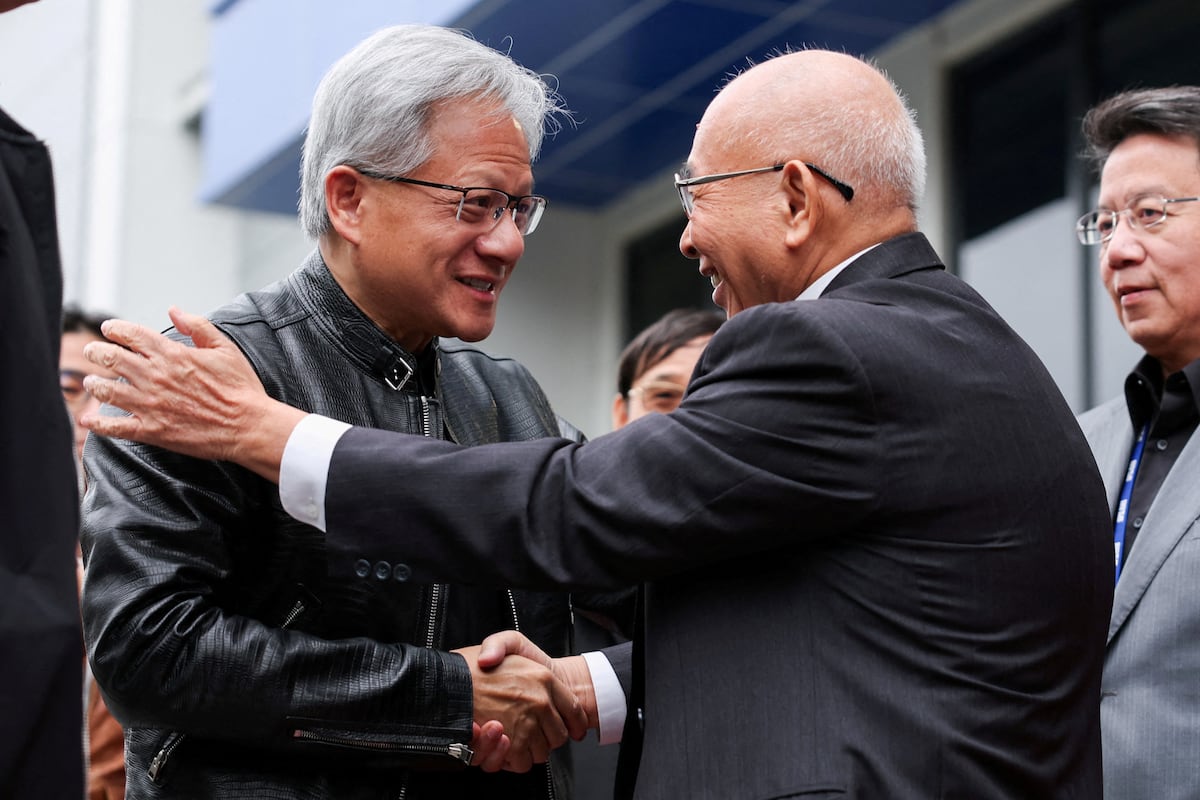
For Jensen Huang, the architect of the modern artificial intelligence era, the line between private indiscretion and geopolitical risk has vanished. In a move that has sent shockwaves through the technology sector, the CEO of Nvidia admitted to employees that he had engaged in an extramarital affair with Alice Huang, a Chinese executive at a Singapore-based company. While the admission was framed as a personal apology, the implications are far from private. The confession has triggered an independent investigation by Nvidia, as the company grapples with the reality that a personal relationship may have intersected with the most sensitive technological battleground of the twenty-first century.

"I was unfaithful to my wife," Huang wrote in a company-wide letter. "My actions hurt her and our children. There is no excuse for what I did. I am deeply sorry." Huang affirmed his commitment to the company, stating, "I support the investigation and will cooperate fully. I love our country and our company. I am committed to protecting NVIDIA and supporting America's national security. I am proud and grateful to be an American."
What began as a matter of personal conduct has rapidly escalated into a matter of state security. U.S. officials have raised alarms regarding Alice Huang, whom they believe may be a foreign intelligence asset. The concern is not merely the nature of the relationship, but the potential for it to serve as a conduit for sensitive information. Specifically, the U.S. Secretary of State has previously warned that Alice Huang may have acted as a backdoor for funneling export-controlled Nvidia chips to Beijing.
The company is no longer just managing a supply chain; it is managing a relationship with the state itself.
In the high-stakes world of semiconductor manufacturing, these chips are more than just hardware; they are the foundational tools of modern computing power, subject to strict government controls to prevent them from reaching adversarial nations. The suspicion that a high-ranking executive could provide a window into the company’s operations or its compliance with export laws has turned a corporate scandal into a national security crisis. While the board of Nvidia has stated it has no evidence that national security or company secrets were actually compromised, the mere possibility of such a breach is enough to necessitate a formal, independent probe.
To understand why this connection is being scrutinized so intensely, one must look at the proximity between Huang and the highest levels of American power. In May 2024, Huang joined President Donald Trump on a high-profile trip to Beijing. At that time, the president had previously greenlit the sale of Nvidia chips to Chinese firms, despite a bipartisan push in Washington for much stricter export controls.
This intersection of corporate leadership and presidential diplomacy underscores the unique position Nvidia occupies. The company is not just a vendor; it is a central player in the geopolitical chess match between the United States and China. When the CEO of the world's most critical chipmaker is linked to an individual suspected of being an intelligence asset, the diplomatic and economic stakes become inseparable from the personal.
The timing of this investigation is particularly fraught. The incident arrives as a new Democratic congress prepares to push for even stricter regulations regarding technology exports. The tension surrounding how much advanced technology can be shared with Beijing is reaching a fever pitch, and Nvidia finds itself at the epicenter of this regulatory storm.
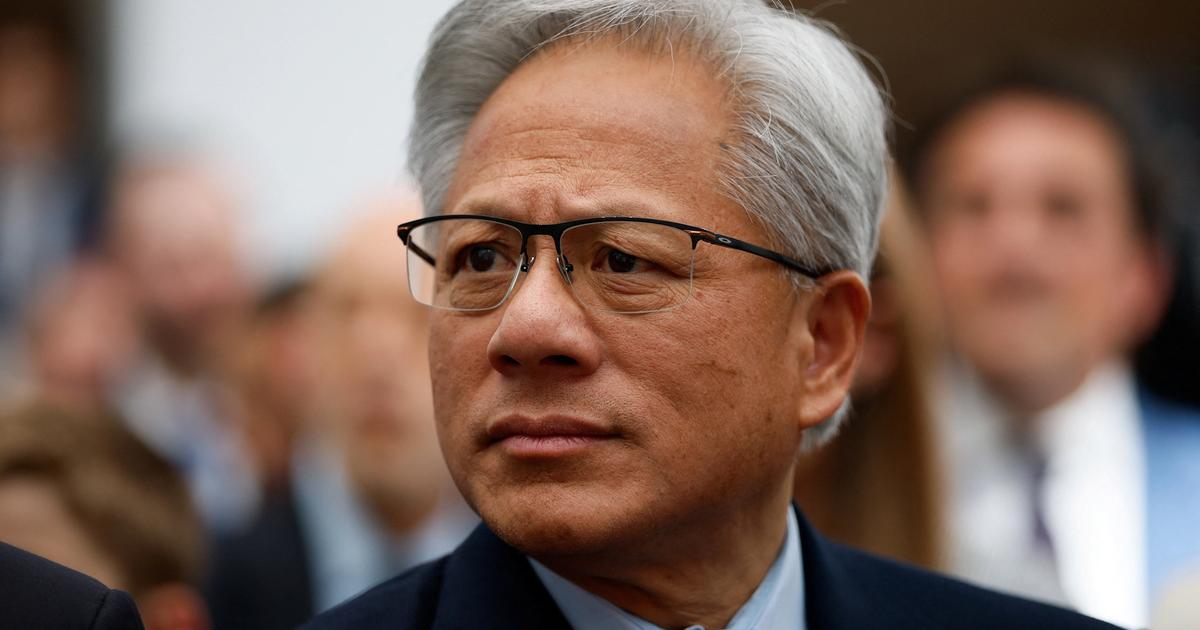
As lawmakers look to tighten the screws on the flow of dual-use technologies—those with both civilian and military applications—the scrutiny on Nvidia’s internal controls and leadership will only intensify. The company is no longer just managing a supply chain; it is managing a relationship with the state itself. The investigation into Huang is, in many ways, a test of whether a private corporation can maintain its integrity while navigating the treacherous waters of international espionage and shifting domestic policy.
Despite the gravity of the investigation and the cloud of suspicion surrounding the affair, Nvidia is attempting to project an image of stability. The company has made it clear that the leadership structure remains intact for the time being. An Nvidia spokesperson emphasized the company's resolve, stating, "Today's news will not slow NVIDIA. Jensen is committed to continuing to lead NVIDIA as CEO without interruption."
Nvidia officials have confirmed that Huang will remain in his role as CEO pending the final outcome of the independent investigation. The board is moving with caution, attempting to balance the need for a thorough inquiry into potential intelligence leaks with the necessity of maintaining market confidence. For a company that drives the global AI revolution, any perceived instability at the top is a risk the markets are unlikely to ignore.
As the independent investigation unfolds, the focus remains on whether the personal became political. Did the relationship with Alice Huang provide a window into Nvidia’s proprietary technology or its compliance with U.S. export laws? While the company maintains there is no evidence of a breach, the investigation is designed to find exactly that.
For now, Jensen Huang remains at the helm of a company that is simultaneously a titan of industry and a focal point of national security concerns. The outcome of this probe will likely set a precedent for how Silicon Valley handles the intersection of executive conduct and foreign intelligence threats, a boundary that has become increasingly blurred in an era of global technological competition.

🎮 Nvidia board launches independent probe of CEO Jensen Huang after honeypot/spy reports. He remains CEO; company says no secrets compromised. https://t.co/BnYWkoKHF0