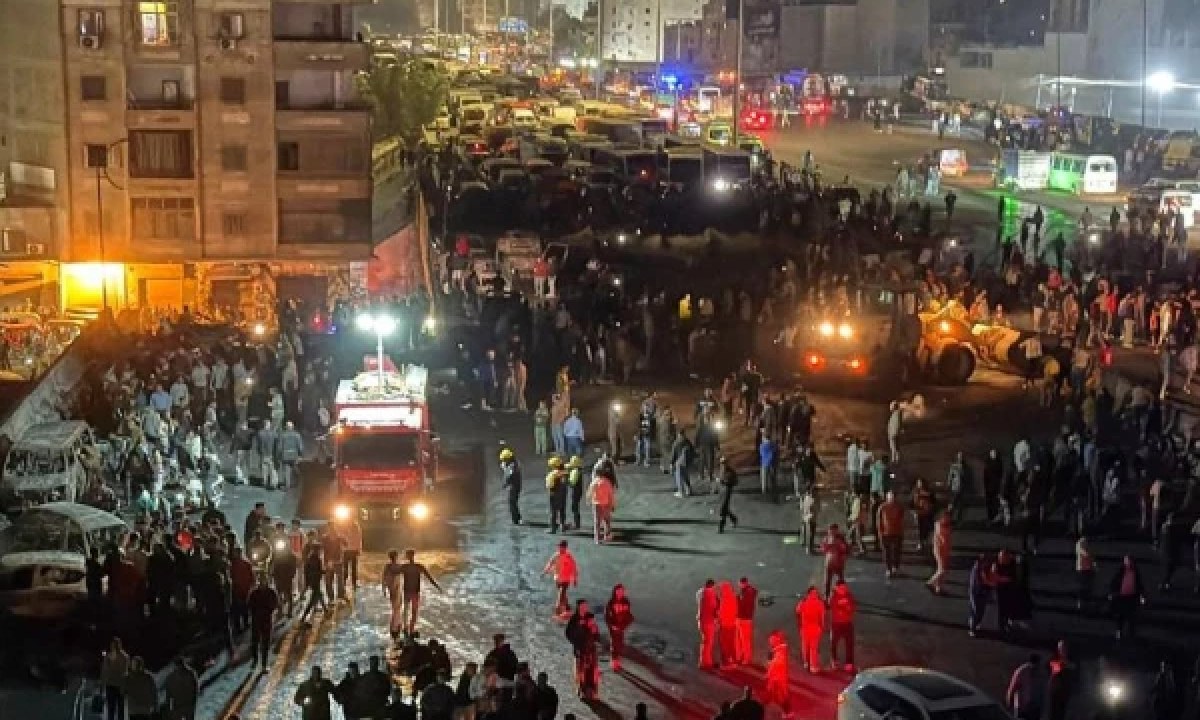
On November 26, 2026, a catastrophic incident unfolded in Giza, Egypt, when a petroleum tanker erupted into a devastating fire. What began as a routine movement of bulk combustible fuel quickly turned into a fatal disaster on the road. The immediate aftermath exposed the intense vulnerability of shared transit corridors to sudden industrial transport accidents, as high-temperature flames swept across the thoroughfare before bystanders or emergency crews could fully react.
Giza, a major urban center situated along the Nile, serves as a vital arterial hub where daily civilian commuter traffic intersects with heavy industrial logistics. When highly volatile petroleum materials move through such heavily traveled routes, any containment breach or sudden accident carries the potential to transform a standard highway into a high-risk emergency zone in seconds.
As emergency services responded to the scene in Giza, the full human and physical scale of the inferno became clear. The fire resulted in 31 fatalities, while 21 other individuals sustained injuries requiring medical care. The intense heat generated by burning petroleum created immediate hazards for everyone caught in the vicinity, severely complicating early rescue efforts.
Petroleum tanker fires present unique challenges that set them apart from typical vehicular accidents.
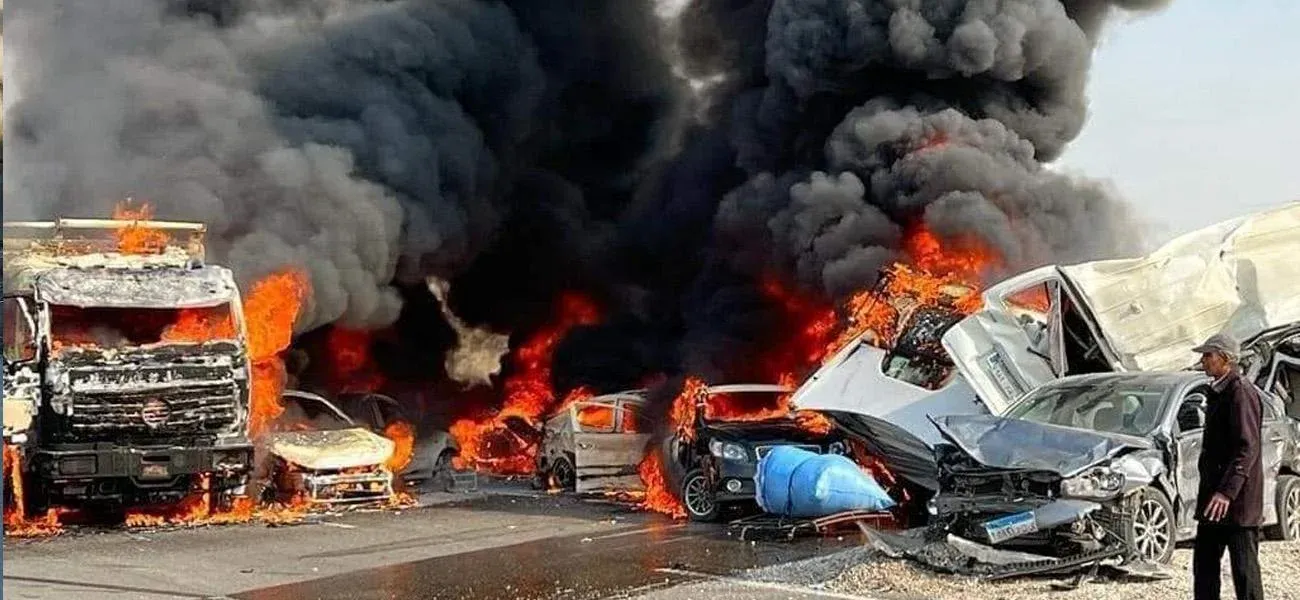
Beyond the human toll, the fire caused extensive property destruction across the immediate area. A total of 27 vehicles caught in the path or proximity of the blaze were damaged or destroyed. The rapid spread of fire across multiple lanes illustrates how quickly a liquid fuel emergency can envelop surrounding traffic, leaving drivers with almost no opportunity to maneuver out of danger.
Petroleum tanker fires present unique challenges that set them apart from typical vehicular accidents. Unlike standard automobiles, which carry limited fuel reserves, a commercial bulk tanker transports thousands of liters of refined fuel. In the event of a breach, liquid petroleum flows rapidly along the contours of the road surface, spreading active ignition points far beyond the initial site of impact.
The thermal radiation generated by a major petroleum fire can trigger secondary ignitions in nearby automobiles almost instantly. The damage to 27 vehicles in Giza highlights the extreme speed with which radiant heat can compromise fuel lines, tires, and synthetic body components of adjacent cars caught in traffic congestion.
Following the disaster on November 26, 2026, Egyptian authorities officially launched a formal investigation into the cause of the fire. Official inquiries into petroleum transport incidents typically focus on establishing the precise mechanical, human, or environmental factors that triggered the ignition.
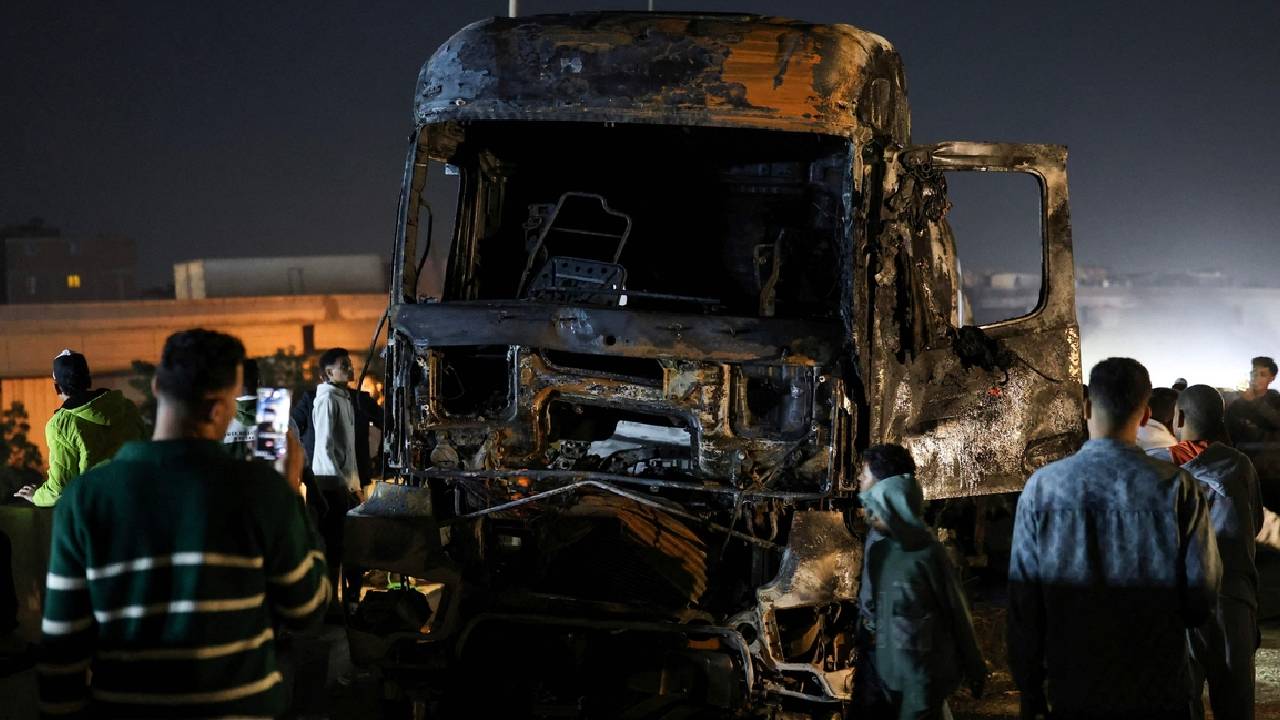
Investigators are tasked with examining the structural integrity of the tanker, potential brake or engine failures, road conditions, and the sequence of collisions that may have led to the fuel leak. Observers such as Muhammed Şavki have tracked the official proceedings as authorities gather forensic evidence from the wreckage. Determining whether the fire stemmed from a mechanical breakdown, collision, or operational error is central to establishing responsibility for the 31 deaths and 21 injuries.
The disaster in Giza underscores the persistent national challenge of regulating bulk energy transport alongside daily urban traffic. Transporting hazardous bulk liquids requires strict maintenance protocols, specialized driver training, and active safety oversight to mitigate risks on crowded public roads.
As the investigation by Egyptian authorities moves forward, the primary focus remains on determining the exact cause of the tragedy for the victims, the injured, and their families. The findings from this inquiry will provide essential data for evaluating safety enforcement and transport regulations across Egypt's highway network.