The world watched as the face of artificial intelligence, Jensen Huang, stepped down from the helm of Nvidia. The resignation, announced in November, was a seismic shift in the technology sector. Yet, as the dust settled, the financial results for the third quarter arrived with a thunderclap. The numbers were historic, signaling that Nvidia’s dominance in the AI chip market is as robust as ever, even without its most famous figure at the controls.
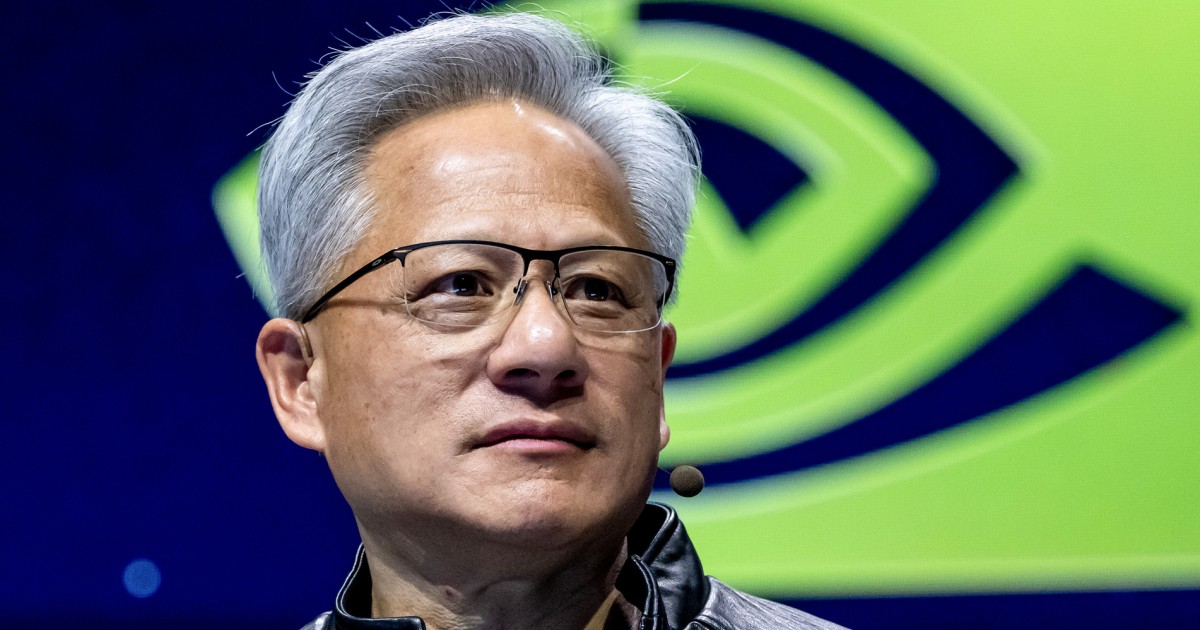
The transition began with a resignation. Jensen Huang stepped down from his position as CEO of Nvidia, a move that sent ripples through the tech world. The board of directors, led by Chairman Harvey Jones, moved with speed. In a conference held on the day the earnings were released, Jones firmly rejected any notion of a return for the co-founder. "The Nvidia board unanimously accepted his resignation and does not intend to reinstate Jensen as CEO," Jones declared, setting a clear boundary for the company's future leadership.
This was a moment of decisive action. "While this was an unexpected transition, the board acted deliberately and in the best interest of the company’s employees, customers, partners and shareholders," Jones added, attempting to quell investor fears. The interim CEO, Colette Kress, stood beside him, offering a confident narrative of continuity. "Jensen resigned from his position with Nvidia, and the board accepted his resignation," Kress stated. "The board has determined that they will not reinstate Jensen, and that is our statement and what the board has decided to do."
As Kress took the microphone to discuss the results, she emphasized the relentless pace of innovation.
The real story of the day was the financial performance that accompanied the leadership shuffle. Nvidia reported quarterly earnings that beat analysts' expectations for AI chip sales. The company released its financial report for the third quarter, marking its first report since the leadership change. The figures were staggering: revenue reached 115.8 billion dollars, and a net profit of 65.3 billion dollars. This was a record-breaking quarter, driven by the company's datacenter unit, which generated 107.6 billion dollars in revenue.
As Kress took the microphone to discuss the results, she emphasized the relentless pace of innovation. "شتاب رشد ما واقعی است. انویدیا یک رهبر استثنایی در حوزه فناوری است که با نوآوری بیوقفه نیروهایش پیش میرود. معماری ورا روبین شروعی انفجاری داشته، نقشه راه ما طبق برنامه پیش میرود و جاهطلبی ما هرگز تا این حد بزرگ نبوده است," she said in a statement that highlighted the company's ambitious roadmap.
The earnings report looked forward with a forecast that raised eyebrows. Nvidia projected 130 billion dollars in revenue for the fourth quarter. The market responded immediately to this news, with investors sending Nvidia's share price up 5% in after-hours trading. The stock's reaction was a clear signal that the market views the leadership transition as a manageable hurdle. As the company moves forward under the guidance of Colette Kress and Chairman Harvey Jones, the board will consider both internal and external candidates for the permanent CEO role, with the help of an executive search firm.
The board addressed the elephant in the room during the conference, refusing to answer questions about the personal conduct issues that led to Huang's resignation. "در جلسه امروز به موضوعات و پرسشها درباره شرایط استعفای جنسن و تحقیقات درحال انجام پیرامون این قضیه پاسخ نخواهیم داد."