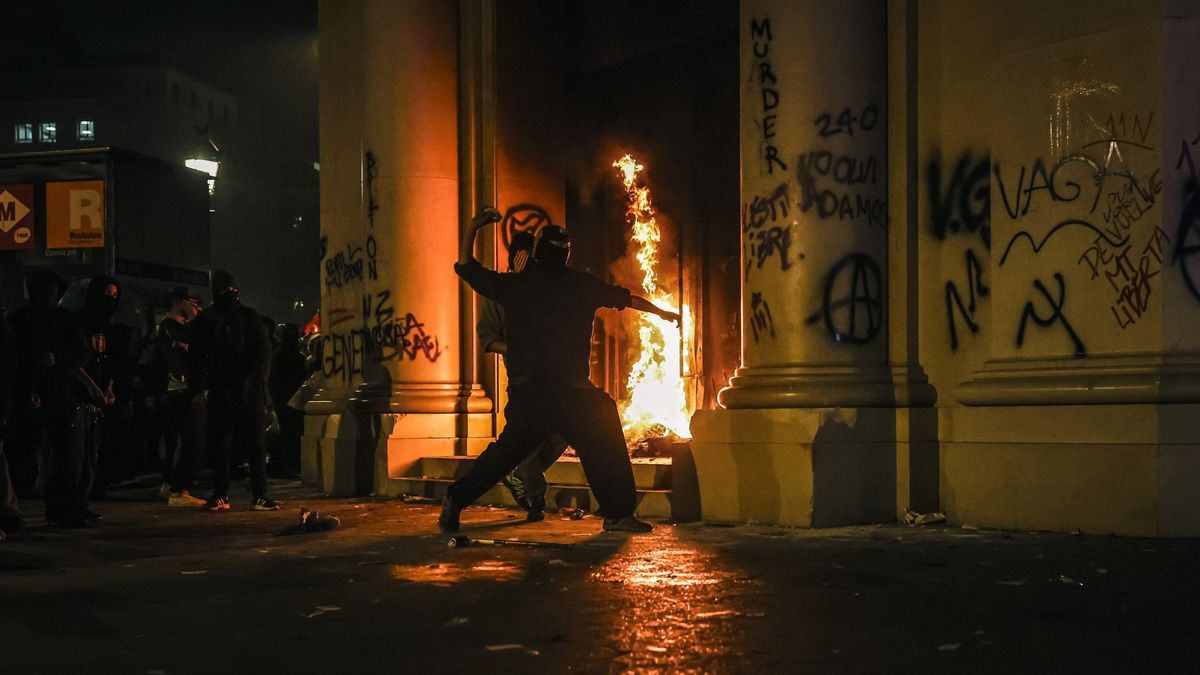
Barcelona, a city renowned for its vibrant street life and architectural marvels, found itself at a crossroads on November 11, 2026. What began as a massive, peaceful protest for dignified housing—drawing an estimated 55,000 people according to Guardia Urbana, or even 400,000 according to Sindicat de Llogateres—descended into chaos as night fell. The tension that had simmered beneath Barcelona's surface for years over housing affordability and speculation finally boiled over, leaving scars on the city's commercial heart.
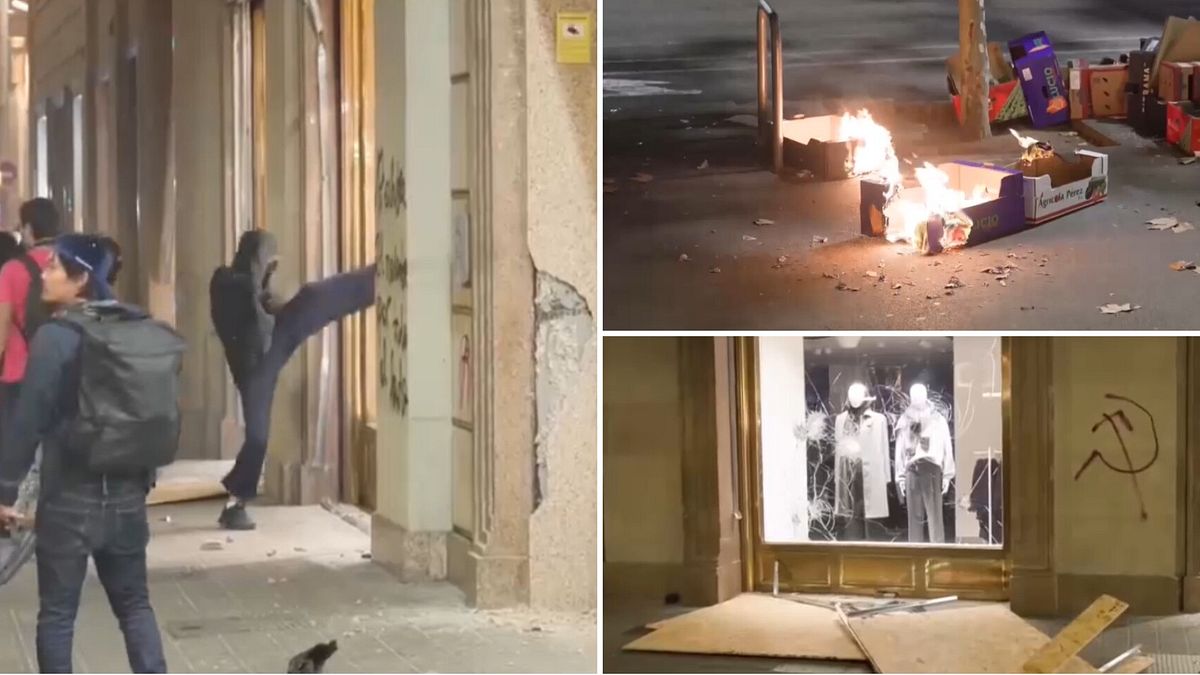
The day had started with hope. Thousands of Barcelona residents, young and old, families and activists, took to the streets under the banner of "dignified housing." They marched with placards demanding an end to speculation and policies they believed priced ordinary citizens out of their neighborhoods. The protest was part of a broader general strike, amplifying the voices of those struggling with Barcelona's soaring housing costs. For hours, the demonstration remained peaceful, a powerful display of collective will in one of Europe's most expensive cities.
As the day wore on, the atmosphere shifted. By October 24, 2026, and continuing into November 11, pockets of unrest emerged, most notably on Paseo de Gràcia, Barcelona's most famous boulevard. Here, the character of the protest changed dramatically. Groups of youths, their faces masked, began smashing windows of luxury boutiques and international chain stores. Trash cans were overturned and set ablaze, their flames casting an eerie glow on the upscale facades. The vandalism was targeted, symbolic of the protesters' anger at what they saw as an economy that no longer served the people of Barcelona.
By the time the night ended, 18 people had been arrested, their alleged crimes ranging from vandalism to public disturbance.
As violence spread, authorities moved swiftly to contain the situation. Police deployed anti-riot measures, firing tear gas canisters into crowds and forming lines to push protesters back from commercial areas. The response was forceful, reflecting the government's determination to restore order. Officers in full gear moved through the streets, their shields raised as they faced off against increasingly aggressive demonstrators. The clash between police and protesters became a defining image of the day, broadcast across Spain and beyond.
By the time the night ended, 18 people had been arrested, their alleged crimes ranging from vandalism to public disturbance. The arrests represented a small fraction of the tens of thousands who had marched, but they underscored the authorities' commitment to holding those responsible for violence accountable. Meanwhile, the cleanup operation began in earnest, with business owners surveying the damage to their properties and city workers removing debris from the streets.
Political leaders weighed in on the unrest, with opinions sharply divided. Among the most vocal was Salvador Illa, a prominent figure in Catalan politics. Illa condemned the violence unequivocally, stating that "neither violence nor vandalism represent the people who have demonstrated peacefully today throughout the day." He added a warning: "In Catalonia, whoever does it pays for it," signaling a tough stance on those who crossed the line from protest to destruction.
Amid the chaos and condemnation, the underlying issues remained unaddressed. Barcelona's housing crisis had been years in the making, with property prices skyrocketing as the city grew in popularity. For many residents, especially young people and low-income families, the dream of living in their own city had become increasingly elusive. The protest, and the violence that followed, were symptoms of a deeper malaise—a society struggling to reconcile economic growth with social equity.
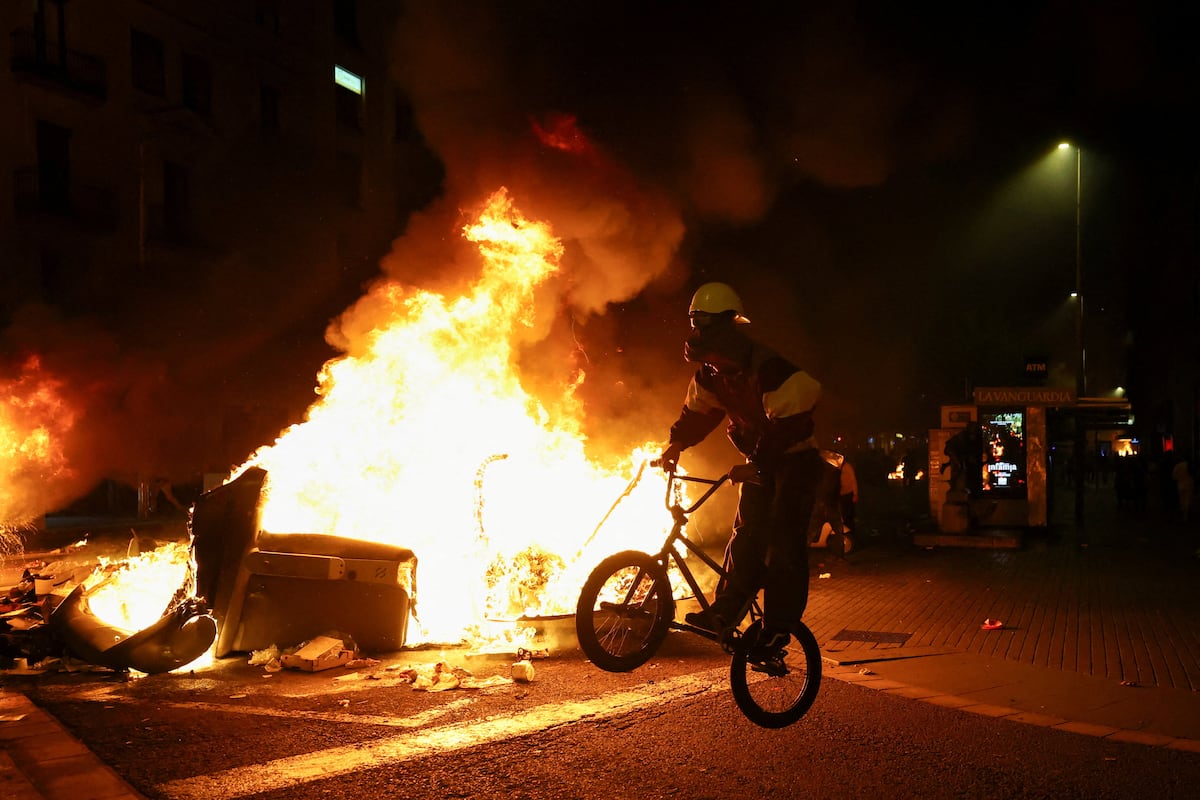
In the aftermath of the November 11 demonstrations, Barcelona remains a city grappling with its contradictions. The housing protests have not ended, nor has the debate over how to make Barcelona affordable for its residents. The violence of that day has left a bitter taste, but the demands for dignified housing continue to echo through the city's streets. As Barcelona moves forward, it faces the challenge of addressing these fundamental issues before the next protest begins.