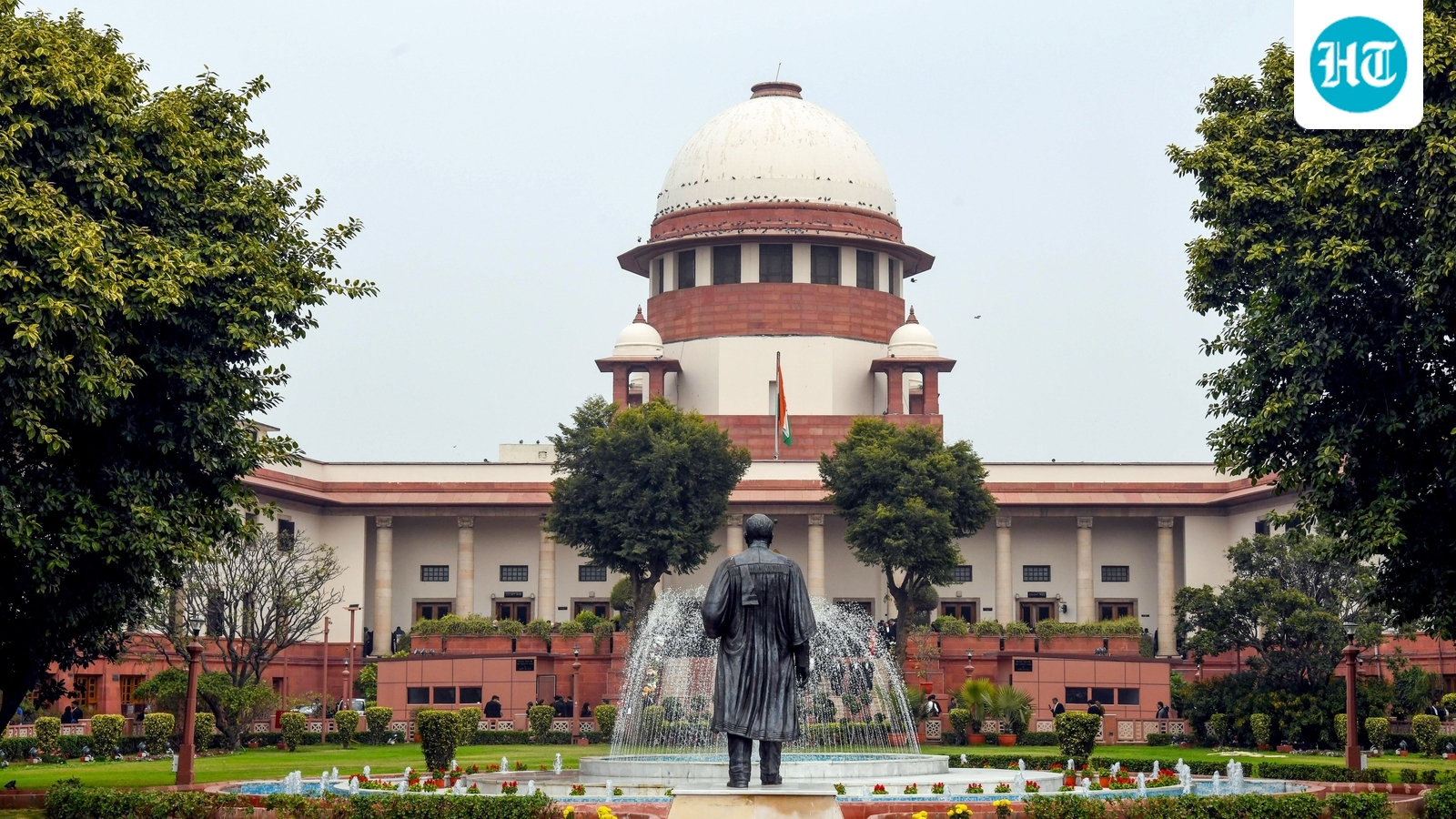
In a recent judgment, India's Supreme Court delivered a ruling that transcended the conventional boundaries of legal outcomes. While acquitting a man in a double-murder case, the court made a pioneering suggestion that has since rippled through the nation's legal landscape: families of murder victims should be considered for financial compensation even when the accused are acquitted. This remarkable directive emerged from a case that had begun years earlier, in the quiet village of Ranila in Haryana state.
The story begins in 2011, when two women were brutally beaten to death in Ranila village. The horrific crime sent shockwaves through the community and prompted a swift legal response. Investigators worked diligently to build a case against the accused, and a fast-track court handed down a conviction. Justice, it seemed, had been served for the families who had endured unimaginable loss.
Yet the legal journey was far from over. The convicted man exercised his right to appeal, setting in motion a process that would ultimately challenge the initial verdict. The Supreme Court carefully examined the evidence that had formed the basis of the original conviction. After thorough deliberation, the bench determined that the evidence was insufficient to sustain the original conviction. The court then acquitted the man, bringing the criminal case to an end without the resolution the victims' families had hoped for.
The court then acquitted the man, bringing the criminal case to an end without the resolution the victims' families had hoped for.
It was at this pivotal moment that the Supreme Court introduced its groundbreaking proposal. While acknowledging the acquittal, the bench emphasized that the loss suffered by the victims' families should not go unaddressed simply because the prosecution had failed to secure a conviction. The court directed the District Legal Services Authority in Bhiwani to evaluate whether compensation could be provided to these families, recognizing their suffering independently of the legal outcome.
This suggestion represents a significant shift in how India's legal system approaches victim compensation. Traditionally, financial aid has been contingent upon a conviction, leaving families in a cruel limbo when the accused are acquitted due to insufficient evidence. The Supreme Court's directive acknowledges that the families' trauma and financial hardship are real regardless of whether the perpetrator is convicted. By proposing compensation even in acquittal cases, the court is expanding the very definition of justice to encompass the victims' continued suffering.
The implications of this ruling extend far beyond the specific case in Ranila. If implemented, this approach could provide a beacon of hope for countless families across India who have faced similar situations—where the wheels of justice turn but fail to deliver the expected outcome. The Supreme Court's suggestion recognizes that the state has a responsibility to support victims' families, not just through the pursuit of conviction but through direct acknowledgment of their loss.
As the District Legal Services Authority in Bhiwani begins its evaluation, the eyes of the nation are watching. This single case has the potential to reshape India's approach to victim compensation, creating a more compassionate and comprehensive system that acknowledges the full spectrum of loss experienced by families of murder victims. The Supreme Court's directive stands as a powerful reminder that justice must be measured not only in convictions but in the care and support we extend to those who have suffered the most.
