
On November 14, 2026, the United States House of Representatives engaged in a tense session that would define the immediate political landscape. The chamber voted 211 to 204 to refer an impeachment request against Defense Secretary Pete Hegseth to the Judiciary Committee. This decision effectively tabled the proceedings, preventing the removal process from moving forward at this specific moment. The vote was not merely a procedural formality; it was a decisive act within a fractured Congress where every member counted.
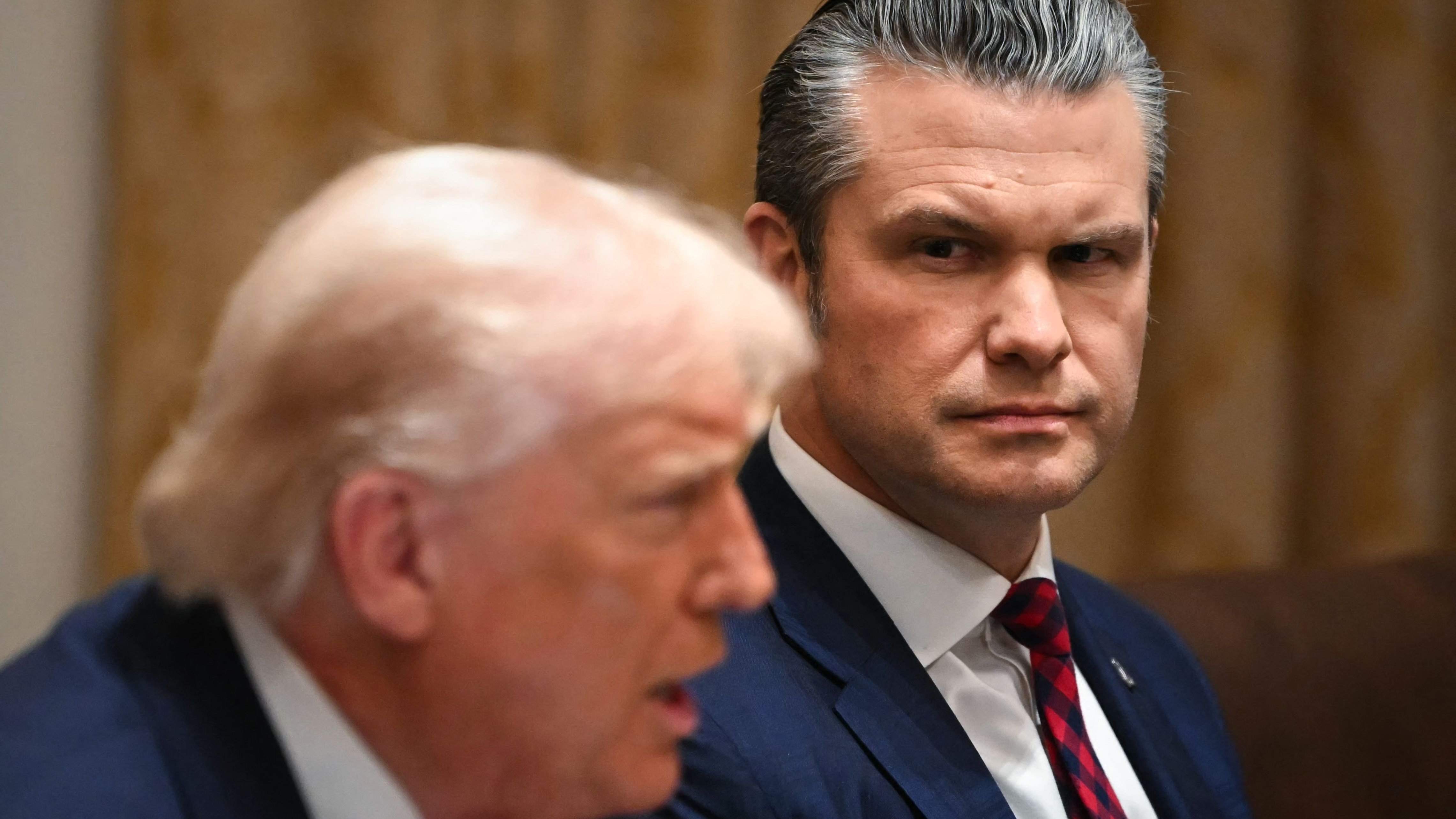
Thomas Massie submitted the impeachment request against Hegseth. His action triggered the motion that brought the entire floor to its feet. While Massie initiated the challenge, the outcome depended on the collective will of the majority. By referring the matter to the committee rather than voting for conviction or dismissal immediately, the House chose to pause the inquiry. This move allowed the leadership to assess the gravity of the accusation without committing to a final judgment before the full machinery of the committee could review the evidence.
The timing of the vote coincided with significant political pressures. Republicans suffered losses in midterm elections, creating a sense of vulnerability among the party leadership. The mention of these two distinct factors framed the debate for the day.
The ability to table the impeachment relied heavily on the internal strength of the Republican Party.

Pete Hegseth avoids impeachment as Republicans unite in House to nix motion READ: https://t.co/Afzsg0ZlVm https://t.co/Afzsg0ZlVm
President Donald Trump played a crucial role in the outcome of the vote. His support for Hegseth helped secure the Republican majority against the impeachment attempt. The President's influence ensured that the votes remained loyal to the defense secretary during a critical window. This dynamic highlighted the power of executive protection in legislative battles, where the head of state can sway the composition of the opposition. The reliance on Trump demonstrated the depth of the bond between the executive branch and the party leadership.
The ability to table the impeachment relied heavily on the internal strength of the Republican Party. They managed to hold their ground despite the pressure from the Democrats and the public sentiment regarding the war and energy costs. The vote count reflected a divided but ultimately unified stance on protecting the current administration. The Republicans used their numbers to shield Hegseth from immediate removal, ensuring that the process did not conclude with a vote against him. This maneuver preserved the status quo within the government, allowing the administration to continue operating without interruption.

#BREAKING | US House Rejects Effort To Impeach Defence Chief Pete Hegseth https://t.co/dq2dG0R2JY NDTV's @Akshobh joins @reetksahni, with more details https://t.co/H55nlpTcRN
As the dust settles on this vote, the broader political picture remains uncertain. Democrats may gain control of Congress in January, potentially reviving the effort to remove Hegseth from office. The current tabled status is temporary, dependent on the upcoming shift in power dynamics. If the Democrats take over the House, they could bring the impeachment back to the forefront of the agenda. Until then, the administration remains protected by the narrow consensus achieved on November 14, 2026. The path forward depends entirely on who holds the keys to the next legislative session.