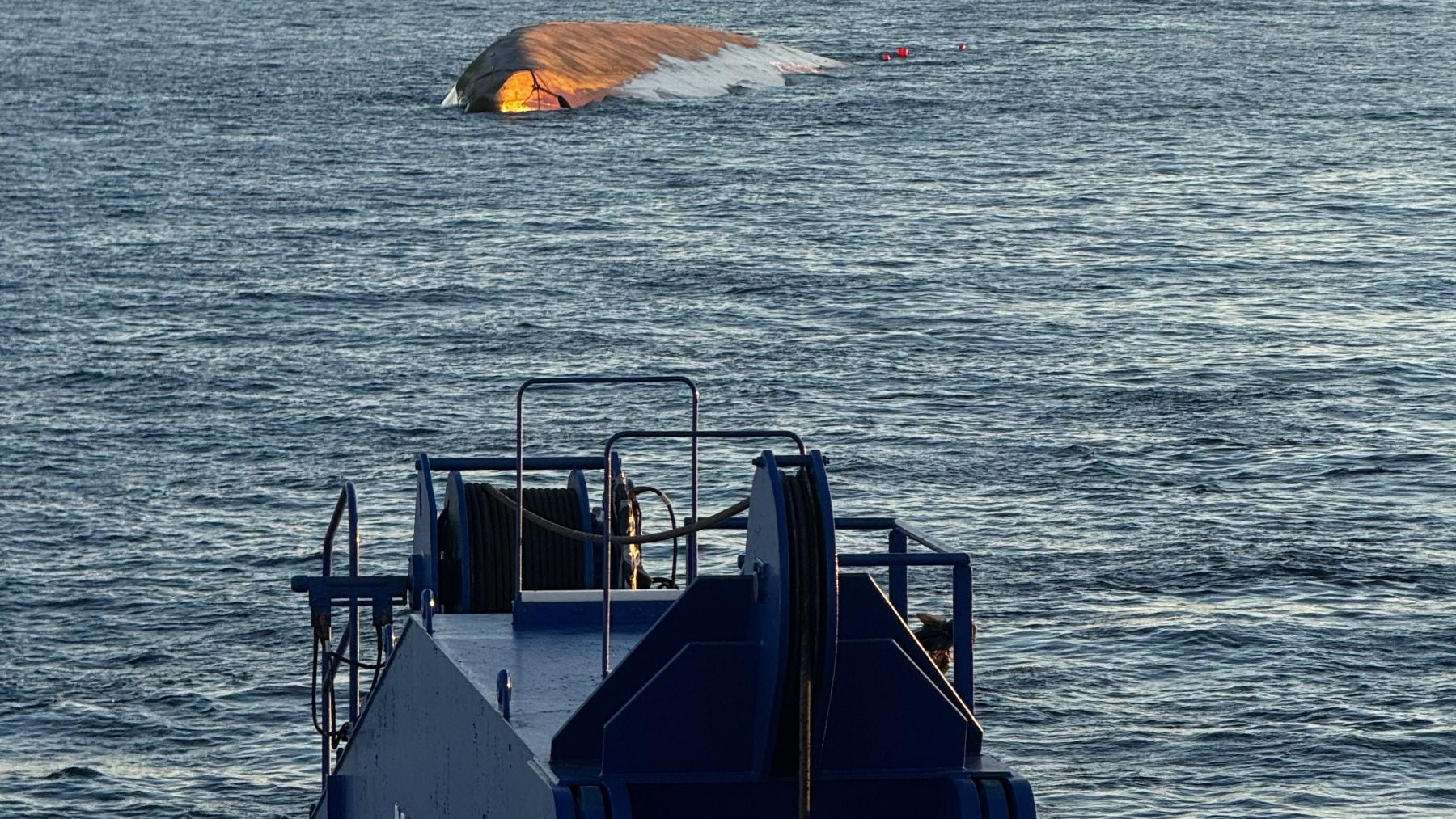
The waters near Ibiza became the unexpected stage for a maritime drama on November 25, 2026, when the cargo ship Med Emre, registered in Malta, ran aground approximately 20 nautical miles northwest of the Balearic island. The vessel was carrying a substantial cargo of 7,000 tons of diesel, plus another 160 tons of fuel for its own operation—a volatile combination now resting precariously close to sensitive coastal ecosystems. The incident immediately raised concerns about potential environmental disasters, prompting swift action from maritime authorities.
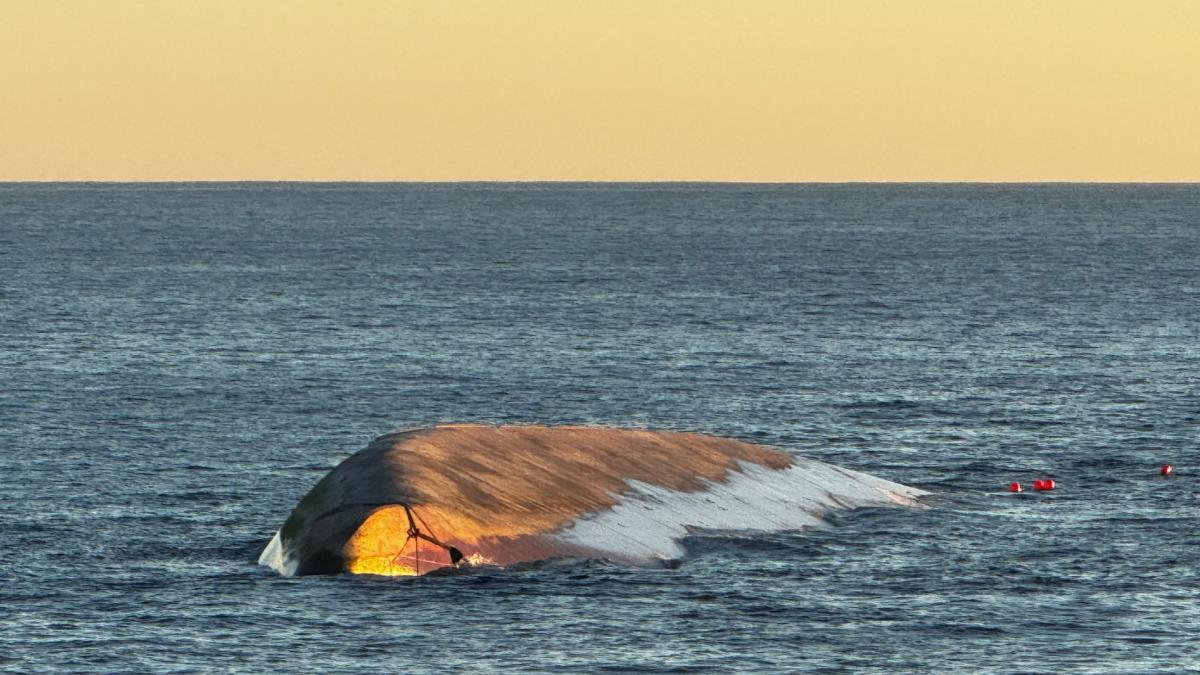
Two days after running aground, on November 27, the delicate operation to salvage the Med Emre began. The rescue vessel Clara Campoamor took on the challenging task of towing the stranded ship, moving at an extremely cautious speed of just 1-2 knots. This slow, deliberate pace was essential to protect the structural integrity of the Med Emre, particularly its keel, which had been exposed to the sun during its time aground. The towing operation represented a race against time, as authorities sought to move the vessel away from environmentally sensitive waters before any potential breach could occur.
The Spanish Ministry of Transport, facing the complex decision of where to direct the towed vessel, designated the port of Cartagena as the sole suitable destination. This choice was based on Cartagena's specific depth requirements and safety considerations, which made it the most logical port for receiving a vessel of the Med Emre's size and condition. The decision appeared to be a straightforward technical solution to a complicated problem, moving the ship away from Ibiza's waters to a location equipped to handle such a large vessel with hazardous cargo.
This legal maneuver seeks urgent interim measures to block the ship's entry into Cartagena's Escombreras basin, where it was expected to arrive on Monday.
However, what seemed like a clear-cut solution to central authorities sparked immediate and fierce opposition from the regional government of Murcia. Led by President Fernando López Miras, the regional administration quickly mobilized against the decision, arguing that Cartagena's location on the Murcian coast placed it directly in harm's way. "A potential danger is directed at the Murcian coast, a certain and evident environmental risk, and every minute that passes, it gets closer," López Miras stated, capturing the growing sense of urgency among regional officials.
The opposition crystallized on November 28, when the Murcia regional government announced its intention to file an appeal with the Madrid High Court of Justice. This legal maneuver seeks urgent interim measures to block the ship's entry into Cartagena's Escombreras basin, where it was expected to arrive on Monday. The appeal represents an extraordinary step, with regional authorities essentially challenging the technical assessment of the central government and asserting their own environmental and fisheries expertise.
The opposition to the ship's entry extends beyond the regional government, forming a united front among various stakeholders. Fishermen and business leaders in Murcia have joined the chorus of concern, fearing the potential economic and ecological consequences of bringing a heavily laden oil tanker to their doorstep. This broad-based opposition underscores the depth of concern within the region, where the potential risks are viewed as outweighing the technical benefits of Cartagena's port facilities.
President López Miras didn't mince words in his criticism of the central government's decision-making process. "I am increasingly convinced that the Spanish Government has not been aware of the premature and hasty decision it has taken," he remarked, suggesting that the technical assessment may have overlooked critical regional factors. His comments reflect a growing frustration with what regional authorities perceive as a top-down approach that fails to adequately consider local environmental and economic concerns.
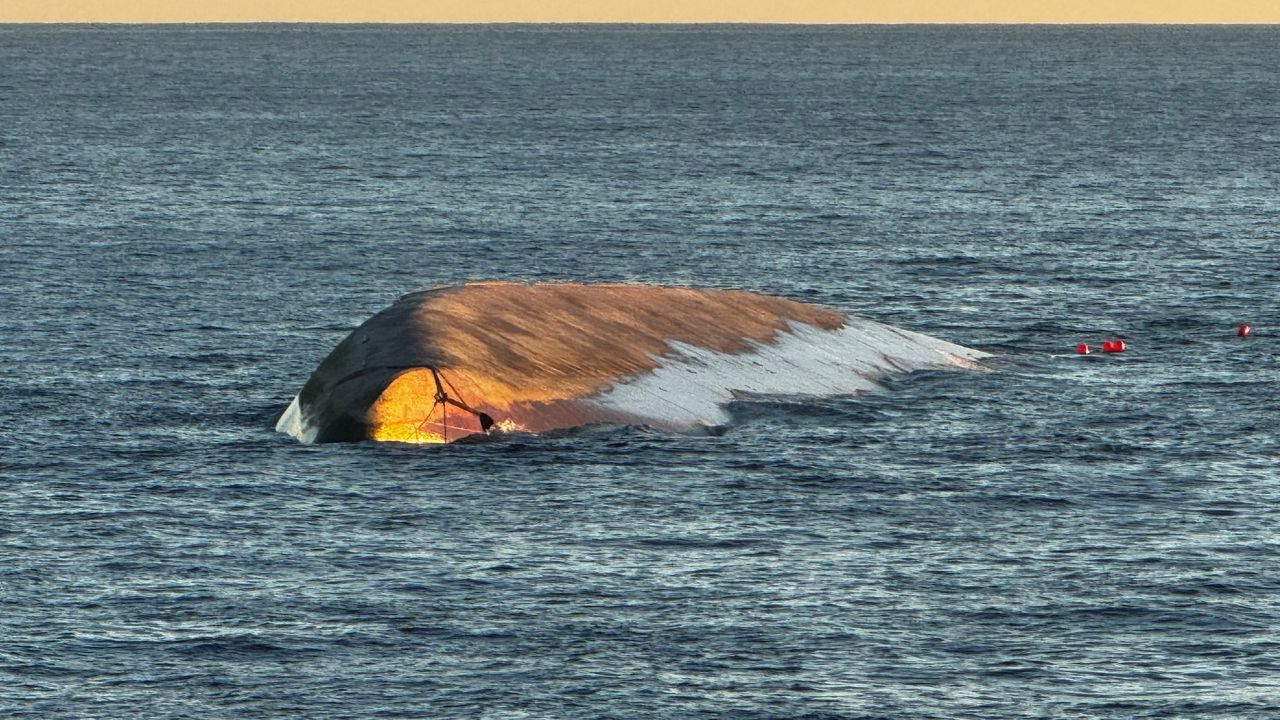
As the Med Emre continues its slow journey toward Cartagena, the legal and political battle intensifies. The regional government's appeal represents a significant challenge to the central government's authority, highlighting the complex interplay between national technical assessments and regional environmental priorities. The outcome of this legal confrontation will likely determine not only the immediate fate of the stranded vessel but also set important precedents for how similar maritime incidents are handled in the future, balancing technical necessities against environmental protections.