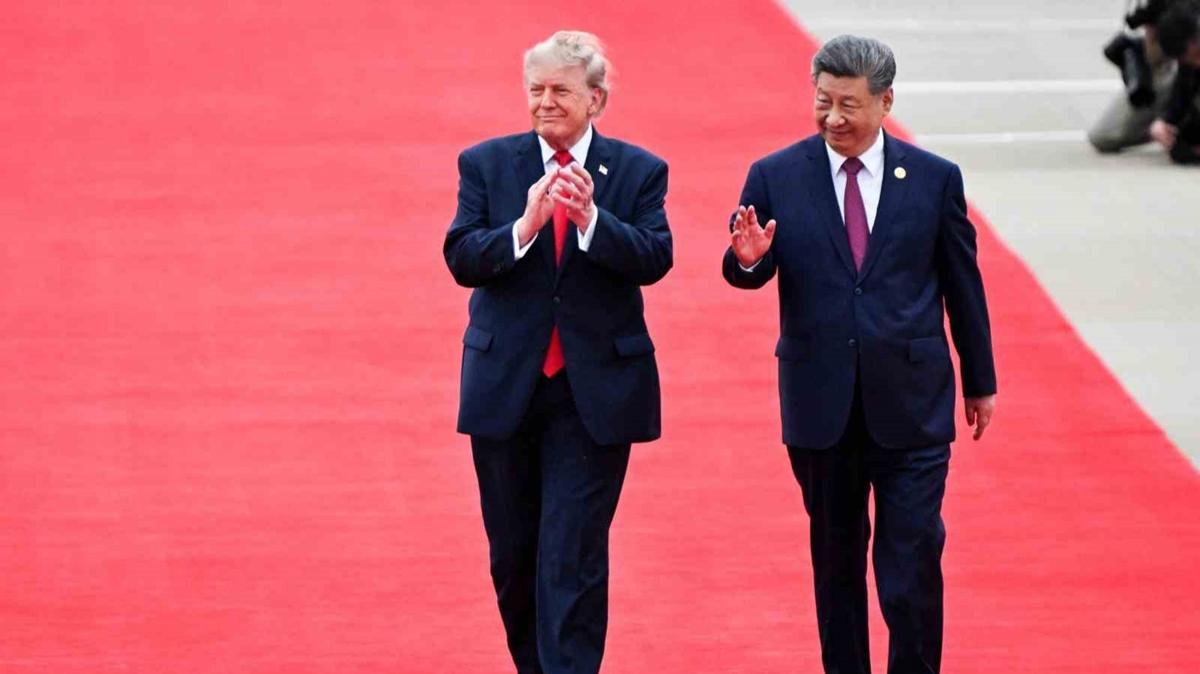
The tarmac at Shenzhen Bao'an International Airport was not merely a transit point; it was a diplomatic stage. On November 18, 2026, US President Donald Trump stepped off a flight arriving from the Philippines. He was there to attend the APEC Summit, a major annual gathering of Pacific Rim economies. However, the focus of the landing was not the summit itself, but who was waiting to meet him. Chinese President Xi Jinping had stepped down from the main concourse to greet the American leader personally at the airport.
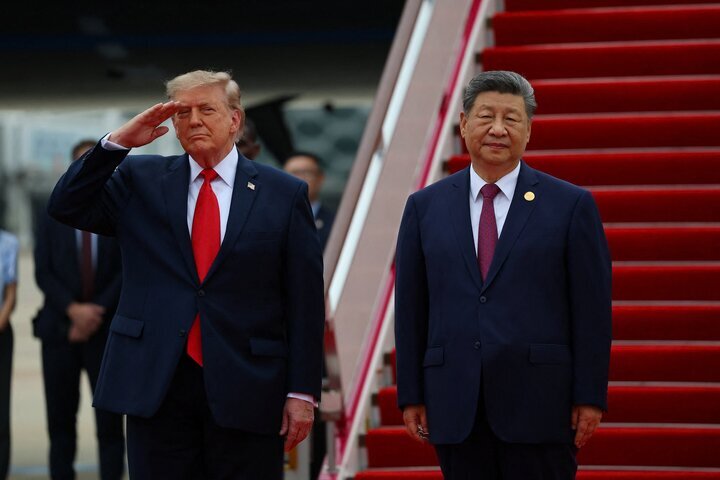
For those tracking the often-cold relations between Washington and Beijing in recent years, the image of Xi Jinping personally greeting a foreign head of state at the airport is a rare and potent visual. It is a first for the Chinese President, a level of courtesy that typically signals a desire for immediate, high-level engagement rather than bureaucratic distance. This moment, occurring ahead of a critical trilateral meeting, set the tone for a week defined by direct personal contact between world leaders, moving away from the traditional model of negotiations mediated by diplomats and state departments.
Trump’s presence in China is not a standalone event; it is the prelude to a gathering that diplomats are watching closely. The primary objective of this trip is a trilateral meeting involving three of the world's most consequential figures: Trump, Xi, and Russian President Vladimir Putin. The agenda for this gathering is dense and fraught with potential. The discussions are expected to tackle some of the most sensitive and destabilizing issues on the global stage, including the ongoing Russia-Ukraine war, rising US-Iran tensions, contentious trade policies, the regulation of artificial intelligence, and the future of nuclear weapons.
Recognizing the power of this historical parallel, the Kremlin moved quickly to defuse the anxiety.
By placing these topics on a shared table, the three leaders are attempting to address crises that have outpaced traditional multilateral institutions. The sheer breadth of the agenda—from hot geopolitical conflicts to the emerging frontier of AI—suggests that these leaders view their direct interactions as the only viable mechanism to impose order on a fragmented international system. The APEC Summit provided the logistical backdrop, but the real work was already focused on the upcoming trilateral session.

WATCH: Chinese President Xi Jinping made a rare trip to the airport to greet U.S. President Donald Trump. https://t.co/n0JSJtrzbv
The diplomatic world has not been silent on the implications of a Trump-Xi-Putin gathering. In several European and Asian capitals, the composition of this meeting has drawn sharp comparisons to the Yalta Conference of 1945. Historians and analysts point out that Yalta, like this proposed meeting, involved the leaders of major powers dictating the post-war or post-crisis world order, often with the interests of smaller nations overlooked. The concern in these capitals is that the major powers, acting in their own interest, might overshadow the stability and security of the broader global community. The fear is a repeat of a historical pattern where the giants of the world negotiate their terms, leaving the rest of the planet to deal with the fallout.
Recognizing the power of this historical parallel, the Kremlin moved quickly to defuse the anxiety. Russian officials dismissed the comparisons to the Yalta Conference, labeling them as the "games" of political scientists who seek to find old patterns in new situations. By framing the critique as academic rather than practical, Moscow attempted to shift the narrative from one of imperialist maneuvering to one of necessary great-power coordination. This dismissal is a key part of the diplomatic chess game, aiming to keep the focus on the outcomes of the talks rather than the moral legitimacy of the forum.

#BREAKING China's Xi greets Trump on arrival at Shenzhen airport: AFP journalist https://t.co/xT0U0lIcbB
In contrast to the defensive posture of the Kremlin, Beijing offered a more positive framing. Chinese officials stated that the trilateral meeting would actively promote world peace. This statement is significant not just for its diplomatic courtesy, but for its assertion of agency. By claiming the role of peacemaker, Beijing positions itself not just as a participant, but as a stabilizing force in the global hierarchy. The statement serves a dual purpose: it reassures domestic audiences and international partners that China is invested in a stable world, while simultaneously challenging the US and Russia to live up to that shared responsibility.
As Trump, Xi, and Putin prepare to sit down together, the world finds itself in a moment where the informal networks of personal leadership are superseding formal institutional frameworks. The personal greeting at the airport, the dismissal of historical parallels by Moscow, and the peace pledge by Beijing all point to a new diplomatic reality. In this reality, the individual leaders are the primary actors, and the stability of the global order hangs on their direct, personal engagement. The outcome of their discussions will not just shape the terms of trade or the trajectory of the war in Ukraine; it will define how the twenty-first century’s greatest power struggles are managed—or mishandled.

Chinese fighter jets released colorful smoke across the sky as President Donald Trump arrived in Shenzhen, China, on Wednesday for the Asia-Pacific Economic Cooperation (APEC) summit. Chinese President Xi Jinping welcomed Trump at Shenzhen Bao’an International Airport ahead of the two-day gathering of Asia-Pacific leaders on November 18 and 19. The summit brings together leaders from economies across the region to discuss trade, economic cooperation and other shared priorities.