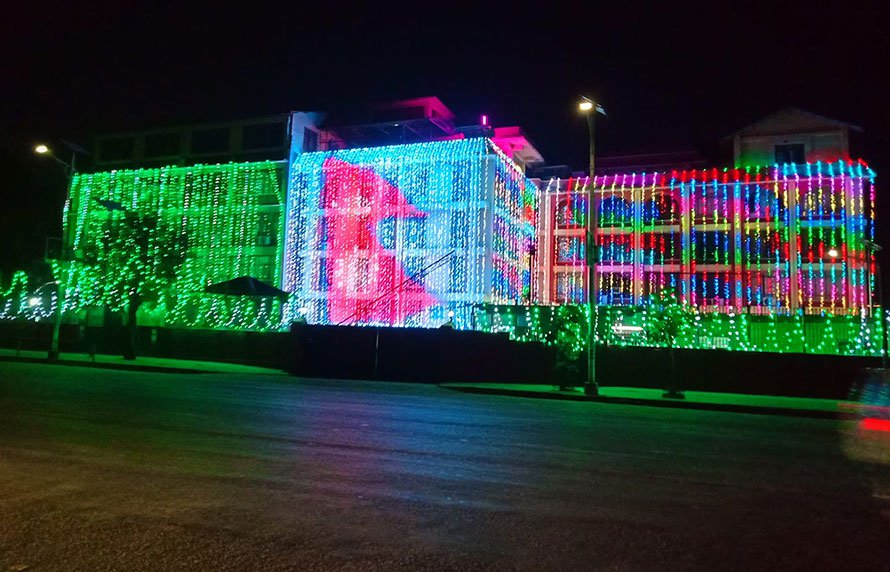
In Nepal, the arrival of the Tihar and Chhath festivals is marked by a transformation of the landscape. As families prepare to welcome the goddess Laxmi, the darkness of the evening is traditionally pushed back by a sea of decorative lights, candles, and electrical goods. This cultural ritual, while beautiful, places a unique and intense strain on the nation's infrastructure. This year, that strain is expected to reach a new milestone.

The Nepal Electricity Authority (NEA) has released its latest projections, estimating that peak power demand will reach approximately 1,700 megawatts on the evening of Laxmi Puja. This figure represents a notable increase from last year, when peak consumption sat at 1.65 gigawatts. The rise is a direct reflection of the growing use of electrical goods and the increasing scale of festive illuminations across the country.
While a jump in demand often signals a period of anxiety for utility providers, the current outlook for Nepal is one of stability rather than scarcity. The NEA anticipates that domestic electricity generation will be more than sufficient to meet this heightened appetite for power. In fact, the authority projects that generation will reach around 2,500 megawatts during this period.
The authority has prepared its systems to manage the surge, focusing on the technical integrity of the grid as the demand climbs toward its evening peak.
With a projected output of 2,500 megawatts against a peak demand of 1,700 megawatts, the nation sits on a significant cushion of energy. This surplus is intended to ensure that the celebrations of Tihar and Chhath proceed without the interruption of blackouts or supply failures. The goal is a smooth, reliable supply that allows the festivities to remain uninterrupted.
Meeting a 1,700-megawatt peak requires more than just having enough power in the reservoirs; it requires a robust system capable of moving that energy to where it is needed most. To that end, the NEA has been working to prepare its entire operational chain. This involves a coordinated effort across the production, transmission, and distribution systems to handle the increased load.
Ensuring the lights stay on during such a critical period involves constant vigilance. The authority has prepared its systems to manage the surge, focusing on the technical integrity of the grid as the demand climbs toward its evening peak. It is a massive logistical undertaking, ensuring that the surge in decorative lighting does not overwhelm the existing infrastructure.
Behind the scenes of the glowing streets, a specialized workforce is being mobilized. The NEA has directed its office chiefs to make all necessary preparations to prevent disruptions and to ensure that any issues are addressed with urgency. This directive is aimed at minimizing the impact of any technical hiccups that might occur during the height of the celebrations.
To maintain this readiness, staff members have been placed on standby for 24-hour shifts throughout the festival period. This continuous monitoring is designed to provide a rapid response to consumer complaints and to address any sudden fluctuations in the grid. The strategy is one of proactive management—aiming to solve problems before they manifest as widespread outages.
As the festivals approach, the sentiment from the nation's energy leadership is one of confidence. NEA Executive Director Dirghayu Kumar Shrestha has stated that the country's power generation will be sufficient to meet the demand. This assurance is intended to provide peace of mind to a public that relies on steady electricity to celebrate these sacred moments.
With the infrastructure prepared and the generation capacity exceeding the expected demand, the NEA is positioning itself to support a season of light. The focus remains on maintaining a seamless flow of electricity, ensuring that the surge in consumption remains a celebration of tradition rather than a challenge to the grid.