To walk through a modern Russian city is to encounter a landscape in the midst of a profound transformation. It is a process of renaming, of erecting, and of displaying—a systematic effort to ensure that the names of those involved in the Special Military Operation (SVO) are not merely recorded in military logs, but are etched into the daily geography of the nation. This is not a subtle shift; it is a sweeping reordering of the public sphere, designed to turn individual acts of combat into a permanent, collective memory.

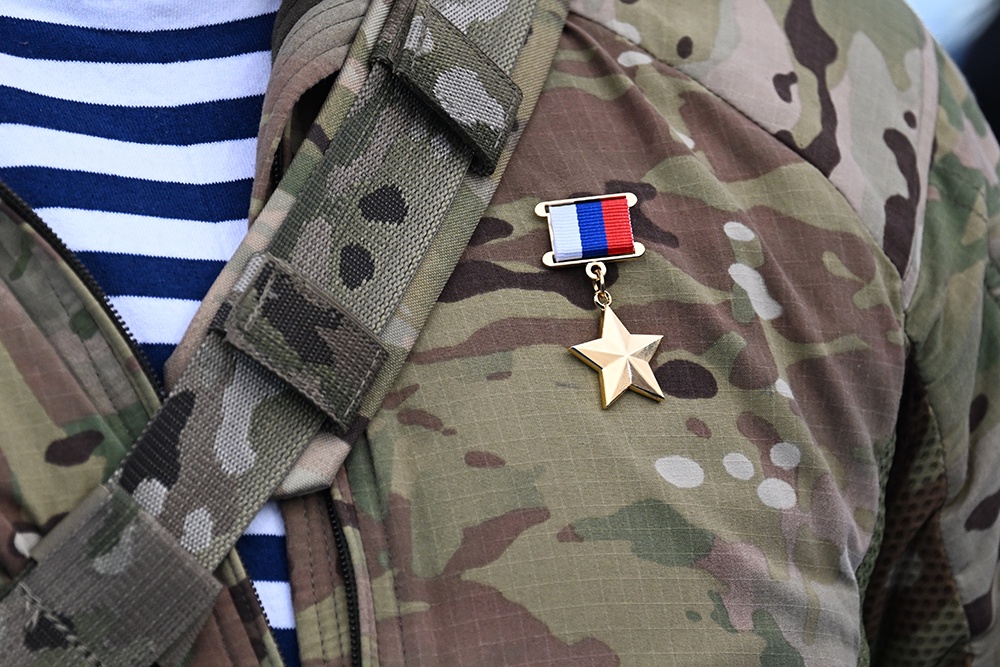
On November 17, 2026, the Russian Ministry of Defense released figures that underscore the scale of this commemorative movement. According to the Ministry, more than 700 servicemen have been recognized with the title of Hero of Russia since the commencement of the Special Military Operation. The title itself is the highest honorary designation in the Russian Federation, typically bestowed for extraordinary bravery or selfless service in the face of mortal danger. To reach a count of seven hundred suggests a consistent and high-frequency recognition of individual valor, creating a roster of figures that the state is now working to institutionalize.
This recognition does not stop at the presentation of medals. The Ministry has moved to ensure that these faces and names are visible to the general public through a massive visual campaign. Across the vast expanse of Russia’s cities and settlements, more than 20,000 banners have been deployed. These banners, bearing the images of decorated servicemen, serve as a constant, rhythmic reminder of the human element behind the military statistics. They transform ordinary streetscapes into galleries of the decorated, ensuring that the concept of the 'hero' is a ubiquitous presence in the visual life of the citizenry.
The Ministry has overseen the renaming of 133 educational institutions, ensuring that the next generation enters buildings that carry the names of those who served.
Perhaps the most enduring way a person survives in the public consciousness is through the naming of the places they inhabit. The scale of the Ministry’s renaming initiative is staggering. The state has moved to rename 363 streets after participants of the SVO, effectively altering the navigational logic of hundreds of communities. But the commemoration extends beyond the primary arteries of transit. The movement has reached into the quieter, more intimate spaces of urban life, with 118 alleys and squares being dedicated to these individuals. By attaching names to the places where people walk, rest, and gather, the state is attempting to fuse the identity of the combatant with the identity of the home.
This effort to weave military service into the social fabric reaches deep into the structures of learning and civic life. The Ministry has overseen the renaming of 133 educational institutions, ensuring that the next generation enters buildings that carry the names of those who served. This is complemented by a dense network of physical monuments: over 3,500 memorial plaques have been installed, alongside 1,120 steles and larger memorials. These structures act as permanent anchors in the landscape, turning specific locations into sites of reflection and official remembrance.
For the Ministry of Defense, the goal is not merely to look backward at what has been achieved, but to look forward toward those who will follow. This is achieved through a deliberate integration of these narratives into the pre-university educational organizations managed by the Ministry. The focus is on the cadets—the future defenders of the nation—who are being taught through the direct examples of those who came before them.
"Work on the heroization of the feats of military personnel participating in the special military operation in pre-university educational organizations of the Ministry of Defense of Russia is carried out using the example of their graduates who showed courage, heroism and selflessness during combat operations," the Deputy Minister of Defense explained. This pedagogical approach uses the lived experiences of former students to shape the values of current ones.
This educational mission is being physically manifested within the walls of military schools. The Deputy Minister noted that separate expositions have been established within school museums, specifically dedicated to the participants of the SVO. These museum exhibits are designed to serve a specific purpose in the development of the cadets. According to the Ministry, these displays are of great importance for the spiritual and patriotic education of the students, providing a tangible link between the classroom and the realities of combat operations. By centering these stories in the museums of their own institutions, the state seeks to ensure that the transition from student to soldier is framed by a deep, institutionalized understanding of the heroism expected of them.