
The line between Kyiv and New Delhi was not just a conduit for courtesy; it was a channel for a specific, urgent ask. Volodymyr Zelenskyy, the President of Ukraine, found himself reaching out to Narendra Modi, the Prime Minister of India, at a moment when the military stalemate had calcified into a diplomatic impasse. As the conflict between Russia and Ukraine entered its fifth year, the battlefield dynamics were no longer the sole driver of the war's trajectory. The struggle was shifting into the realm of diplomacy, where the weight of neutral powers could tip the scales. Zelenskyy was not calling to ask for weapons or sanctions, but to request a different kind of ammunition: mediation. He wanted India to identify what steps it could take and what dialogue it could pursue with other leaders to help bring the war to an end. For a newcomer to the complex geopolitics of this conflict, this move signals a desperation born not of military weakness, but of the need to break a deadlock that traditional Western alliances have not yet been able to force open.
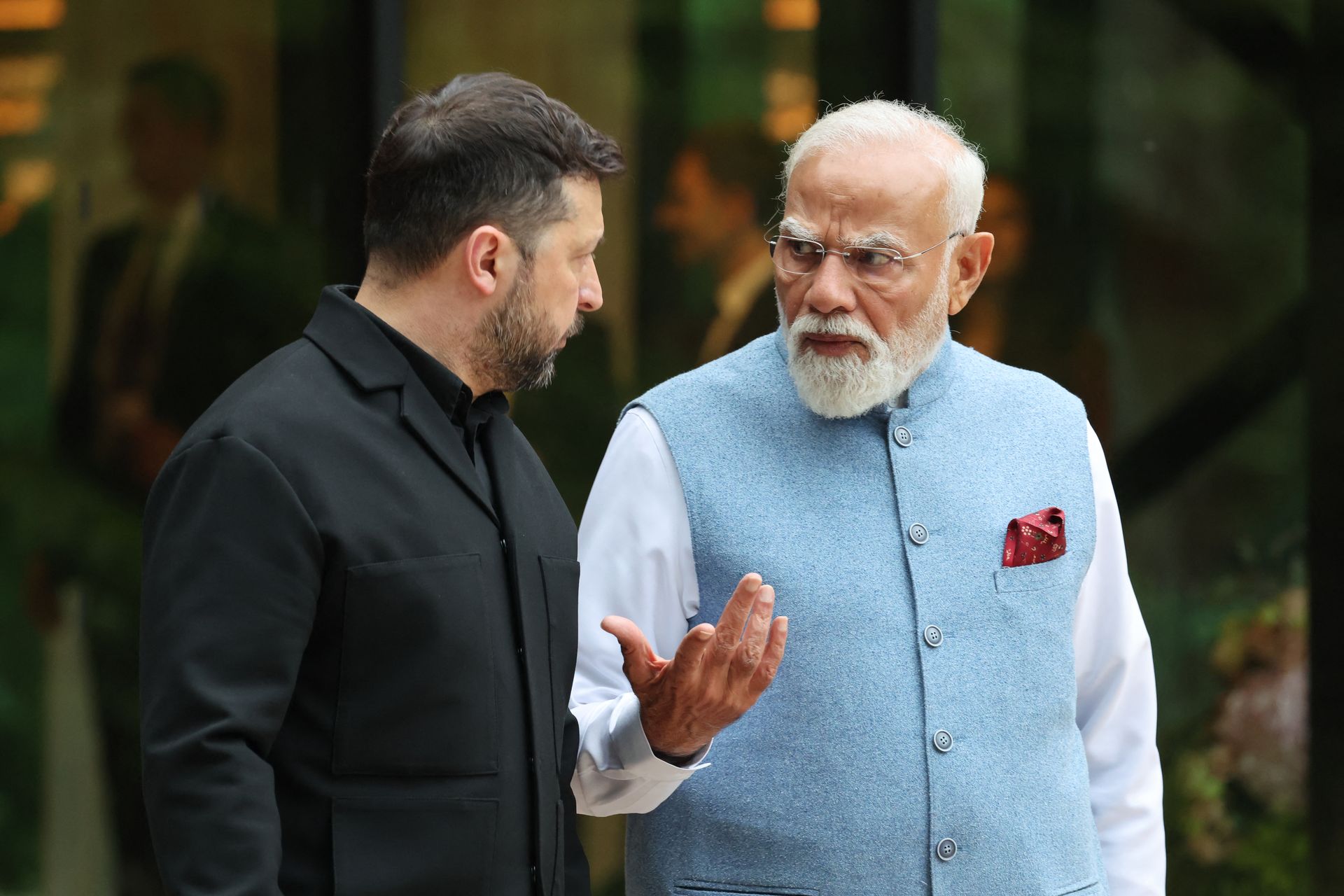
Why India? In a world sharply divided between those supporting Ukraine and those blocking it, India has maintained a carefully calibrated neutrality. This stance is not passive; it is a strategic asset. New Delhi maintains significant economic and diplomatic ties with Moscow, while simultaneously engaging with Washington and Brussels. This dual connectivity makes India a potential bridge, a rare actor capable of speaking to both sides of the conflict. Modi’s response to Zelenskyy’s request was measured but affirmative. He stated, "Dialogue and diplomacy remain the way forward in resolving conflicts." This was not merely a platitude. It was an acknowledgment that the ball was in the court of neutral mediators. The stakes of this call were high because the coming weeks would see a new configuration of peace talks involving Ukraine, Russia, and the United States, scheduled to be held in Abu Dhabi. The presence of the United States signals a shift in diplomatic leadership, but the role of India in facilitating the groundwork for these talks is becoming increasingly vital.

Thank President Zelenskyy for his phone call today. We exchanged views on the ongoing conflict, its humanitarian aspect, and efforts to restore peace and stability. India extends full support to all efforts in this direction. @ZelenskyyUa
While high-level politics are often abstract, the argument for mediation in this conflict is grounded in something far more concrete: food. Zelenskyy pinpointed food security as a critical area where India could exert influence. "Food security could be one such area," he noted during the call. "We discussed Russia's blocking of grain exports via the Black Sea." This reference is crucial for understanding the economic dimensions of the war. For decades, the Black Sea has been a vital artery for global food supply, with Ukraine and Russia serving as major exporters. The disruption of these exports has sent shockwaves through global markets, particularly affecting food-insecure nations in the Global South. By focusing on grain corridors, Zelenskyy is appealing to India’s own interest in stable food supplies and its moral standing as a major food consumer. The idea of establishing food corridors is not just about charity; it is about creating a mechanism that makes the economic costs of war tangible and actionable for neutral parties like India, who can argue that a cessation of hostilities is in the global interest.
This involves not just military stoppages, but the restoration of economic flows.
The push for mediation is not new, but it is evolving. In September 2023, India’s then-external affairs minister, Jaishankar, visited Kyiv and pitched a ceasefire proposal. That visit marked a significant moment where India began to articulate a vision for peace, moving beyond passive observation. However, the landscape has changed dramatically since then. The call in November 2026 reflects a maturity in this diplomatic approach. The focus has shifted from simply proposing a ceasefire to engineering the conditions under which a ceasefire can hold. This involves not just military stoppages, but the restoration of economic flows. The continuity from Jaishankar’s visit to Modi’s current engagement shows a sustained Indian effort to insert itself into the diplomatic architecture of the war. For a reader new to the subject, this trajectory demonstrates that neutral states are no longer just bystanders but are becoming active architects of the endgame, using their unique positions to solve problems that belligerents cannot solve among themselves.
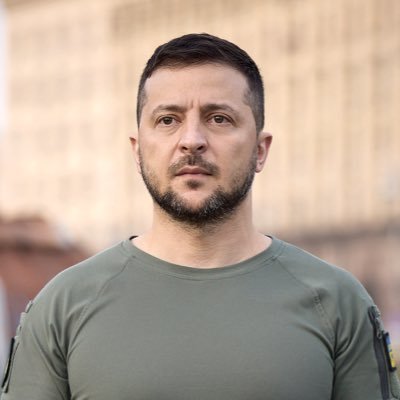
I spoke with Prime Minister of India Narendra Modi @narendramodi and briefed him on the latest diplomatic developments. We are actively preparing on every item on the agenda for the meeting in Abu Dhabi. Ukraine has always taken a constructive approach, and Russia must show the same readiness to de-escalate. The Prime Minister has said more than once, including directly to the Russian leader, that now is the time to end the war, not to continue it. It is important that India identify what steps it can take and what dialogue it can pursue with other leaders to help bring the war to an end. Food security could be one such area. We discussed Russia's blocking of grain exports via the Black Sea. India is ready to mediate in establishing food corridors, and we are counting on these efforts to continue. Russia must understand that the global economy and hundreds of millions of people around the world are suffering because of blocked sea routes. We agreed that our teams will stay in touch on these and other bilateral issues.
With peace talks between Ukraine, Russia, and the US set to convene in Abu Dhabi, the geopolitical chessboard is being reset. The choice of location is telling, signaling a move away from European-centric diplomacy toward a more global framework. In this new configuration, India’s role is likely to be that of a facilitator, using its relationships with all three parties to find common ground. The emphasis on food security provides a least-common-denominator topic for discussion. It is difficult to argue against restoring grain exports, even for a government that might be hesitant to condemn the broader military actions. By isolating food security as a specific, negotiable item, Zelenskyy and Modi are creating a wedge that might open larger doors. This strategy acknowledges that total peace may be out of reach immediately, but incremental victories in critical areas like trade can build the trust necessary for broader diplomatic breakthroughs.
As the war enters its fifth year, the definition of victory is expanding. It is no longer just about territorial control; it is about institutional survival and economic stability. The collaboration between a Western-leaning leader like Zelenskyy and a non-aligned leader like Modi represents a new paradigm in conflict resolution. It suggests that the era of pure bloc politics is giving way to a more pragmatic, issue-based diplomacy where neutral powers leverage their specific strengths to push for de-escalation. For India, this means stepping into the breach, not as a combatant, but as a key player in the global order. The request to "identify what steps it can take" is an invitation for India to define its role in the post-war world. Whether through establishing grain corridors or facilitating dialogue, the actions taken in the coming months will likely determine not just the end of this war, but the shape of international mediation for decades to come. The phone call was not the end of the story; it was the beginning of a new, more complex diplomatic phase where neutrality is not a shield, but a tool.

Prime Minister Narendra Modi tweets, "Thank President Zelenskyy for his phone call today. We exchanged views on the ongoing conflict, its humanitarian aspect, and efforts to restore peace and stability. India extends full support to all efforts in this direction." https://t.co/isVp9qxU5D