At Arlington National Cemetery, silence is not merely the absence of noise; it is a fundamental requirement of the landscape. The Tomb of the Unknown Soldier, which serves as the final resting place for a service member killed during the First World War, is a site defined by its stillness. To guard this site is to participate in a continuous, unbroken vigil. The sentinels, members of the 3rd U.S. Infantry Regiment, stand watch 24 hours a day, 365 days a year, ensuring that the solemnity of the memorial remains undisturbed.
On November 11, 2026, during a Veterans Day ceremony, this atmosphere of reverence was momentarily fractured. The day had been marked by the formal traditions of the holiday, a time intended to honor military service and sacrifice. As the ceremony concluded, the gravity of the occasion met the casual rhythms of political life, leading to a confrontation that underscored the rigid protocols governing the cemetery.
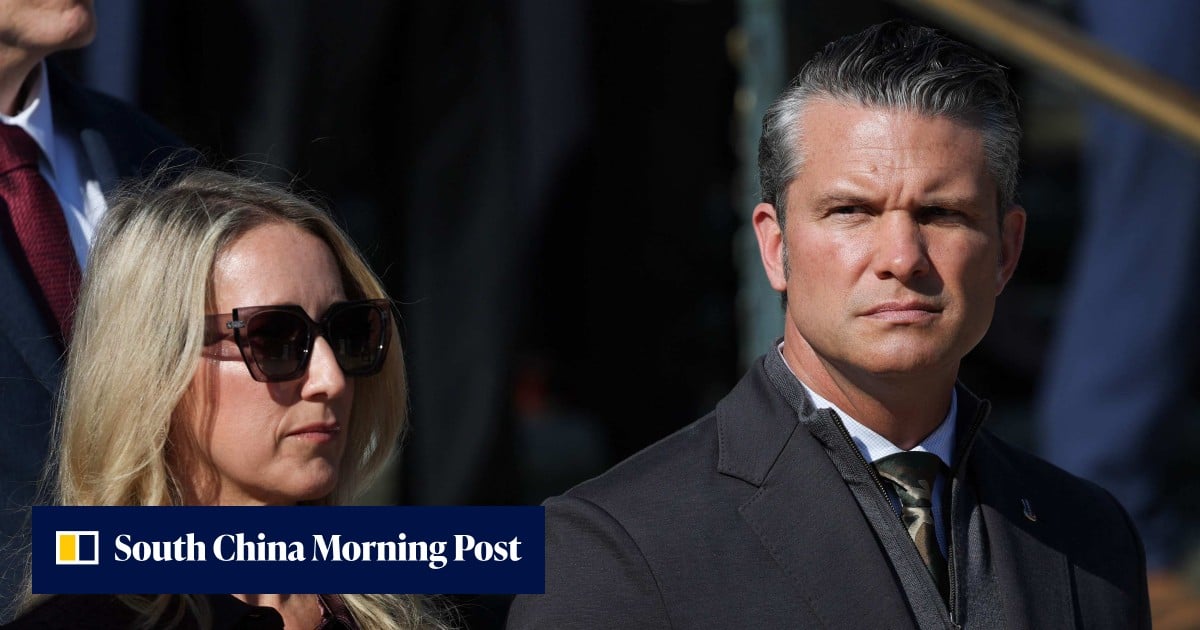
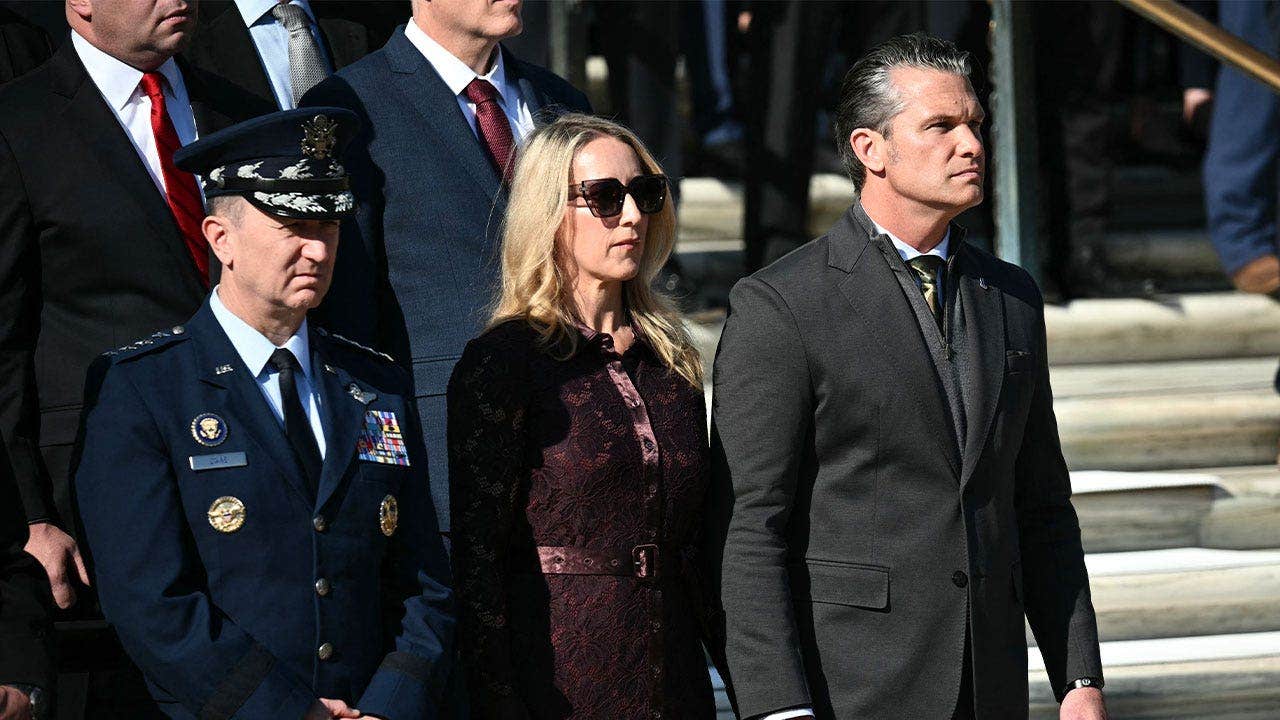
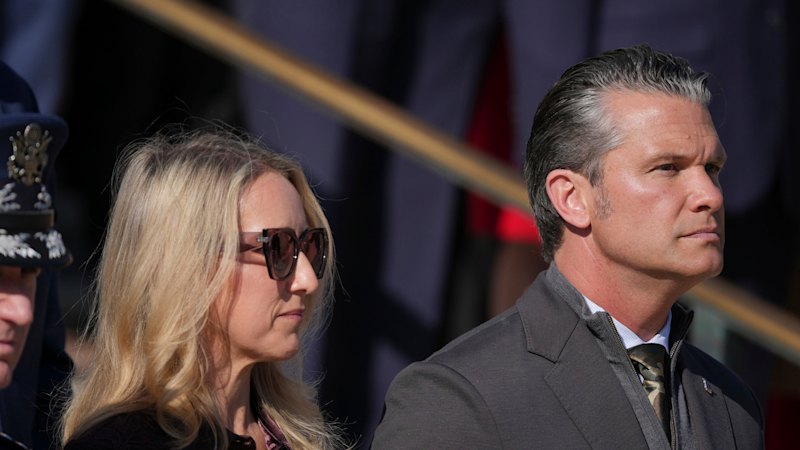
The tension began to build following the official wreath-laying ceremony. At 12:28 p.m., President Donald Trump departed from the memorial, signaling the end of the formal proceedings. However, for the entourage following in his wake, the transition from ceremony to departure was marked by a shift in tone. Among those present was Secretary of War Pete Hegseth, who, along with his staff, began posing for photographs near the site.
Infantry Regiment, the mission is absolute, and the rules of engagement regarding visitor conduct are designed to protect the dignity of the unknown soldier.
In the wake of the President's departure, the group’s behavior drifted from the somber requirements of the location. A minute after the President left, the sounds of laughter from Hegseth’s entourage broke through the expected quiet of the cemetery. In a place where every footstep and whisper is felt against the backdrop of history, the sudden burst of levity stood in stark contrast to the surrounding environment.

Army guard scolds Pentagon officials, including Pete Hegseth, heard laughing at Tomb of the Unknown Soldier https://t.co/unrL9IHoTT https://t.co/DYuc1OUzvt
The reaction from the guard on duty was immediate and unyielding. An Army sentinel, tasked with maintaining the sanctity of the Tomb, issued a sharp, loud reminder to the visitors. The command was not a suggestion, but a formal enforcement of the rules that govern the site. "All visitors will maintain an atmosphere of silence and respect at all times," the soldier declared, addressing the group including Hegseth.
The intervention was a direct response to the breach of decorum. For the sentinels of the 3rd U.S. Infantry Regiment, the mission is absolute, and the rules of engagement regarding visitor conduct are designed to protect the dignity of the unknown soldier. The soldier's reminder served as a sudden, jarring correction to the group's behavior, pulling them back from the casualness of a photo opportunity to the reality of the ground they stood upon.
In the aftermath of the encounter, questions arose regarding the appropriateness of a soldier publicly correcting high-ranking officials. However, the Pentagon moved quickly to validate the sentinel's actions. Chief Pentagon spokesman Sean Parnell defended the soldier, noting that the individual had acted correctly and respectfully to maintain the necessary decorum for the occasion.
The Pentagon’s stance was clear: the significance of the memorial outweighs the status of those visiting it. The intervention was viewed not as an act of disrespect toward the Secretary of War, but as a necessary fulfillment of the guard's duty. The institution emphasized that the atmosphere of the Tomb must remain protected, regardless of who is present.

A guard at the Tomb of the Unknown Soldier at Arlington National Cemetery on Wednesday loudly reprimanded a group of people that included Defense Secretary Pete Hegseth for making noise at the site. https://t.co/MXYyufRJCU https://t.co/uxL2mLXLyF
The incident serves as a reminder of why these protocols exist. The Tomb is not merely a monument; it is a site of profound national mourning. The unknown soldier represents the countless individuals whose identities were lost to the violence of war, leaving only their service as their legacy. This makes the requirement for silence more than a matter of etiquette—it is a matter of honoring the dead.
Sean Parnell reaffirmed this institutional commitment, stating, "The Secretary and the entire Department have always honored—and will always honor—the sacrifices our military men and women have made to keep America safe." This sentiment reflects the broader purpose of the cemetery and the rigid discipline required of those who stand watch over it.
As the events of November 11 unfolded, the momentary lapse in silence was corrected, and the cemetery returned to its standard of quietude. While the interaction between the Secretary’s team and the Army sentinel highlighted a friction between political presence and military tradition, the fundamental order of Arlington remained intact.
The sentinels continue their rotation, maintaining their vigil through the night and into the next year. The rules of the Tomb remain unchanged: the silence is mandatory, the respect is required, and the watch continues 24 hours a day, 365 days a year, ensuring that the unknown remains undisturbed by the noise of the living.

A soldier guarding the Tomb of the Unknown Soldier issued a verbal reprimand to a group of advisers and staffers with Defense Secretary Pete Hegseth following a Veterans Day ceremony at Arlington National Cemetery. https://t.co/tWezROFk9s