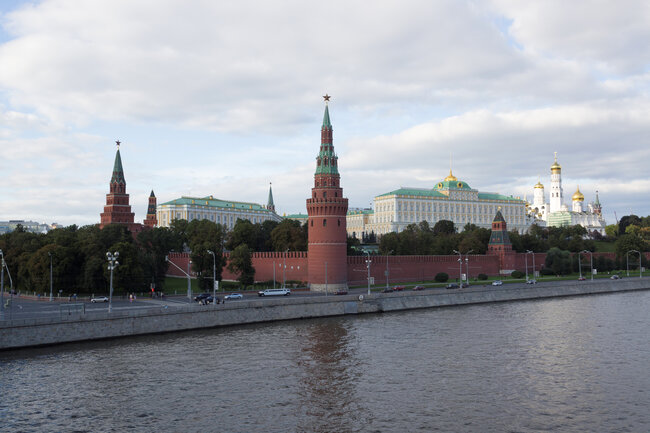
The silence in Washington has been broken not by a press conference, but by a plane ticket. On November 11, Jared Kushner, the U.S. Special Representative, announced that he and fellow envoy Steve Witkoff are traveling to Moscow. Their destination is not a backroom meeting place, but the heart of Russian power, where they will sit across from President Vladimir Putin. The move is a decisive shift in the diplomatic architecture of the current conflict, signaling that the United States is moving from a posture of distant observation to active, high-level engagement with the Kremlin. For a world that has spent years assuming such direct lines of communication were severed, this flight represents a startling reopening of a door that was thought to be locked.
The momentum for this trip is rooted in the events of the preceding day. From November 10 to November 11, a trilateral negotiation took place in Abu Dhabi, a city long associated with back-channel diplomacy. For the first time in this recent phase of the conflict, representatives from Russia, the United States, and Ukraine were in the same room. The agenda was not merely about the immediate front lines of the war in Ukraine, but about a far grander concept: the definition of a new system of continental security. In this framework, the Ukrainian settlement is viewed not as the whole of the peace process, but as one significant component of a broader geopolitical dialogue aimed at stabilizing the entire region.
Kushner’s announcement to the public was measured and specific. He stated that the goal of the Moscow meeting is to build upon the discussions held in the UAE. “Tomorrow, Steve and I are going to Moscow to meet with President Putin, to discuss what was discussed today and try to make greater progress on some of the issues we discussed, because we see some opportunities there,” he said. The emphasis on “opportunities” is telling. It suggests that the delegation from Washington believes that the Abu Dhabi talks have unlocked specific avenues for compromise that were previously blocked by the lack of a unified trilateral framework. The narrative is one of incremental progress rather than a sudden breakthrough, a carefully managed expectation that the hard work of diplomacy has just begun.
As the envoys prepare for their arrival in Moscow, the diplomatic landscape is not limited to the three primary actors.
The substance of those Abu Dhabi days included significant movement regarding security guarantees for Ukraine. According to the reports of the negotiations, progress was made in defining how Ukraine’s safety could be assured under the new security system. This is a critical juncture in the peace process. For Ukraine, security guarantees are the fundamental requirement for any lasting settlement; without them, any ceasefire is merely a pause. The fact that these guarantees were on the table in Abu Dhabi, alongside Russian and American officials, indicates that the three parties are now working from a shared vocabulary. This shared language is the first step toward a document that might actually be signed.
As the envoys prepare for their arrival in Moscow, the diplomatic landscape is not limited to the three primary actors. The United States is actively attempting to involve European Union representatives in the ongoing negotiations. This outreach is a strategic pivot. For much of the conflict, European diplomacy was often sidelined or treated as secondary to the U.S.-Russia dynamic. By seeking to bring EU officials into the fold, Washington is acknowledging that the security of the continent cannot be resolved without the active participation of its own most powerful economic and political bloc. It is an effort to prevent the resolution from being perceived as an exclusive deal between two superpowers, a perception that could weaken its legitimacy and durability.
The broader implication of this new diplomatic track is a move toward a comprehensive continental security architecture. The trilateral talks in Abu Dhabi were framed as a discussion on “key aspects of forming a new continental security system.” This phrasing suggests that the negotiators are looking beyond the specific terms of a truce to the structural underpinnings of peace in the region. It implies a desire to create a system that addresses the root causes of the current instability, rather than just patching the wounds of the present war. The inclusion of Ukraine as one component of this larger puzzle suggests a diplomatic vision that is expansive and, potentially, more lasting than previous attempts at localized ceasefires.
As of now, the diplomatic clock is ticking. The announcement by Kushner and Witkoff sets the stage for the next major round of high-level contacts. The world is watching to see if the “opportunities” identified in Abu Dhabi can be translated into tangible progress in Moscow. The stakes are high, as this new era of diplomacy will determine not just the fate of Ukraine, but the future security order of the entire continent. The silence in Washington has been replaced by