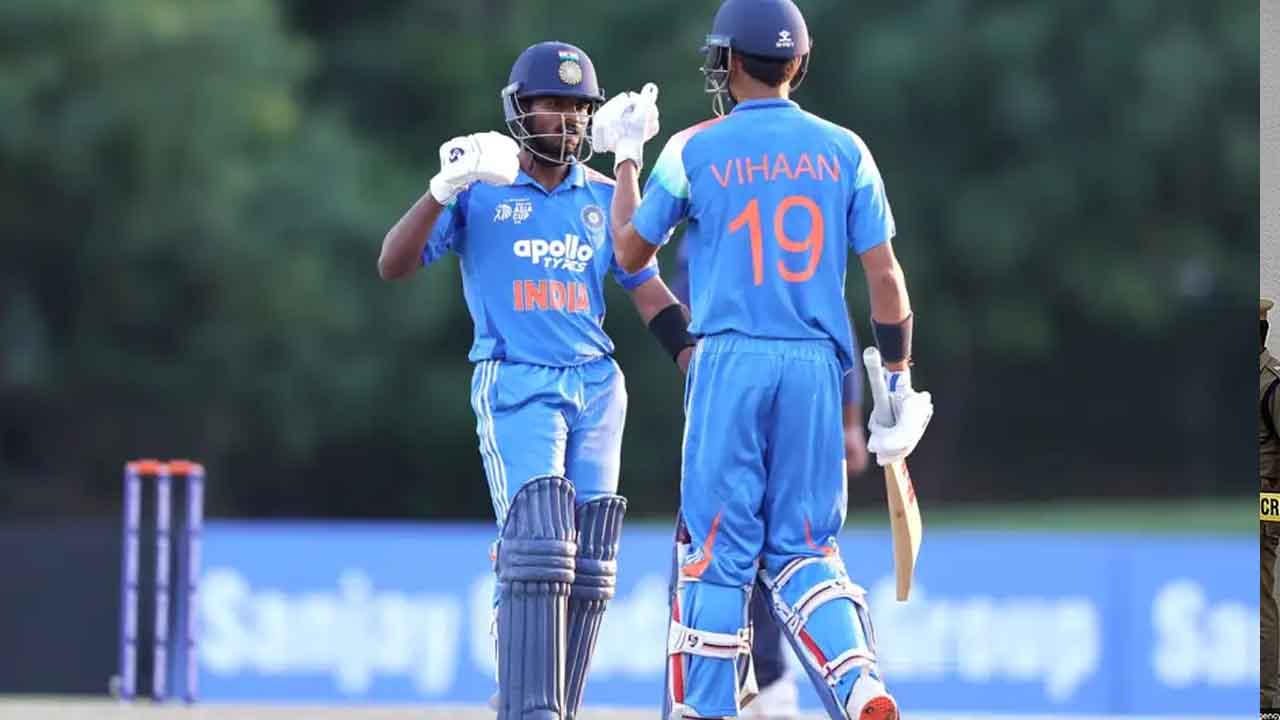
The air in Dhaka was thick with anticipation, but for the U-19 squad of India, the tension was quickly dissolved by sheer technical superiority. The semi-final of the 2026 Asia Cup on November 12 did not end in a nail-biting finish or a controversial last-ball drama. Instead, it concluded with a statement of intent that left little room for debate: India had defeated Afghanistan by eight wickets, a margin that signaled not just victory, but command. For a team composed of teenagers and young adults on the cusp of professional stardom, such a performance against a resilient Afghan side is the kind of milestone that defines a generation.
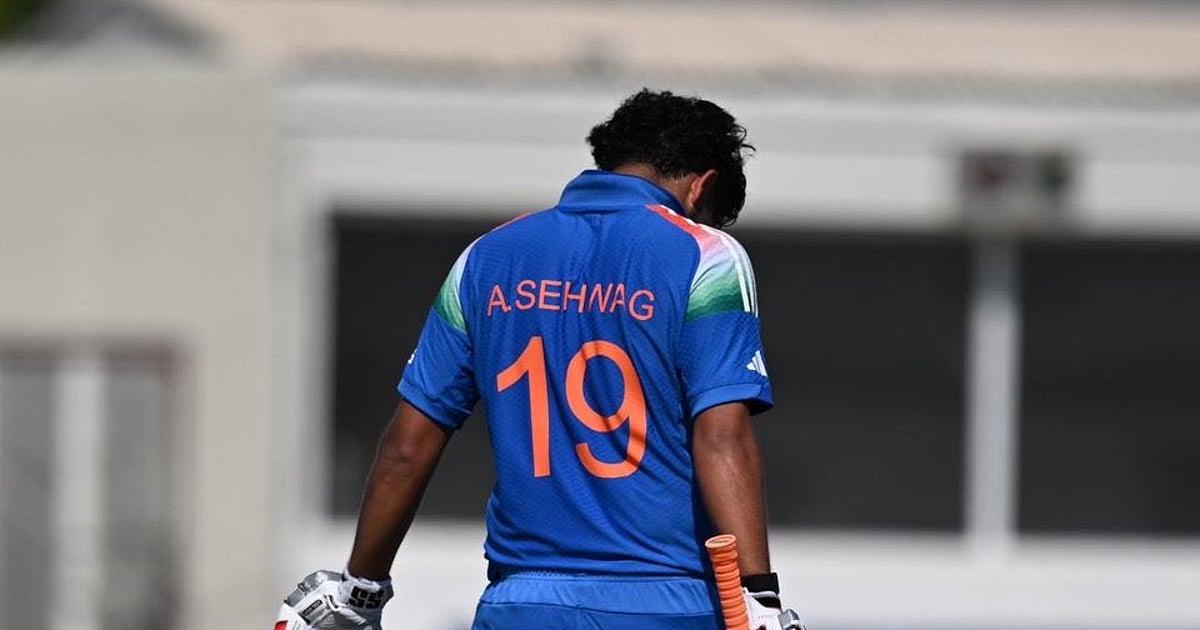
Before the chase could begin, Afghanistan had set a respectable but ultimately beatable target. The visitors posted 227 runs, a score that provided a sturdy platform for their hopes of advancing. The innings was anchored by two distinct performances that offered different kinds of value to the team. Noman Salarzai contributed 51 runs, showing the kind of steady accumulation that keeps momentum alive in the middle order. Meanwhile, Sha Faisal Raheemi also struck for 51, proving that Afghanistan’s top order could still hit boundaries and apply pressure. It was a solid effort, one that suggested a team capable of competing at the highest level of youth cricket, but it lacked the explosive power or the sustained dominance required to frustrate an elite Indian lineup in the final stages of the tournament.
The turning point in the semi-final came not on the stroke of a bat, but through the precision of the bowlers. Ishan Sood emerged as the match-winner on the bowling front, claiming three wickets for India. In youth cricket, where the gap between consistency and inconsistency can be razor-thin, a three-wicket haul is a significant event. It disrupts the flow of the opposition's innings, forcing them to play on the back foot against the spin or pace of a young bowler who is clearly gaining confidence. Sood’s performance highlighted the depth in the Indian attack, suggesting that even when the top-order hitters are not at full tilt, there is a reliable backup strategy that can dismantle a strong batting lineup.
The fact that he anchored the innings while his team played with confidence suggests a mental maturity that is rare in this age group.
With a target of 228 to chase, the spotlight shifted to India’s captain, Lakshya Rachandani. His innings of 93 runs was not merely a personal milestone; it was a demonstration of leadership under pressure. In youth tournaments, the weight of expectation can often crush a young captain, leading to cautious play or, conversely, reckless abandon. Rachandani managed to navigate this tightrope with skill. His 93 runs provided the backbone of the chase, allowing his partners to accelerate in the death overs without the burden of a massive deficit. The fact that he anchored the innings while his team played with confidence suggests a mental maturity that is rare in this age group. His supportive standing within the team, reflected in the seamless execution of the game plan, underscores the importance of a strong on-field leader.
While Rachandani built the foundation, it was the support acts that ensured the victory was secured comfortably. Aryaveer Sehrawat scored 51 runs, a half-century that provided crucial stability in the middle of the innings. His performance was characterized by the kind of aggressive yet disciplined hitting that can quickly shift the momentum of a chase. Equally important was Vinit, who finished the innings on 57 not out. Remaining unbeaten at the close of the chase is a sign of a player who is comfortable under pressure and capable of handling the final phase of the game. Vinit’s 57 not out meant that India reached the target with eight wickets in hand, a margin that ensures the team will enter the final with their best combination of players intact and ready to perform.

INDIA vs PAKISTAN – THE FINAL SHOWDOWN! India defeated Afghanistan, while Pakistan knocked out Bangladesh to book their places in the U19 Asia Cup 2026 final. Now, it's time for the biggest rivalry in cricket! India vs Pakistan. One trophy. One battle. One champion! November 14 – Who will lift the trophy?
With the semi-final concluded, the focus now turns to the final, where India will face Pakistan. This is a rivalry that transcends the age bracket, carrying with it the historical weight of decades of international competition. For the U-19 players, facing their Pakistani counterparts in a championship match is the ultimate test of their readiness. The victory over Afghanistan was a necessary step, a proving of concept, but the final will require a different level of concentration and execution. The narrative of the tournament is now defined by this impending clash. India’s supportive stance within the squad, combined with the technical prowess displayed in the semi-final, positions them as strong contenders. The eight-wicket victory was not just a score on the board; it was a declaration that this generation of Indian cricketers is ready to claim the title. As they prepare for the final, the confidence gained from dismantling Afghanistan will serve as their primary weapon, a mental armor against the pressure of playing for the biggest prize in the U-19 calendar.