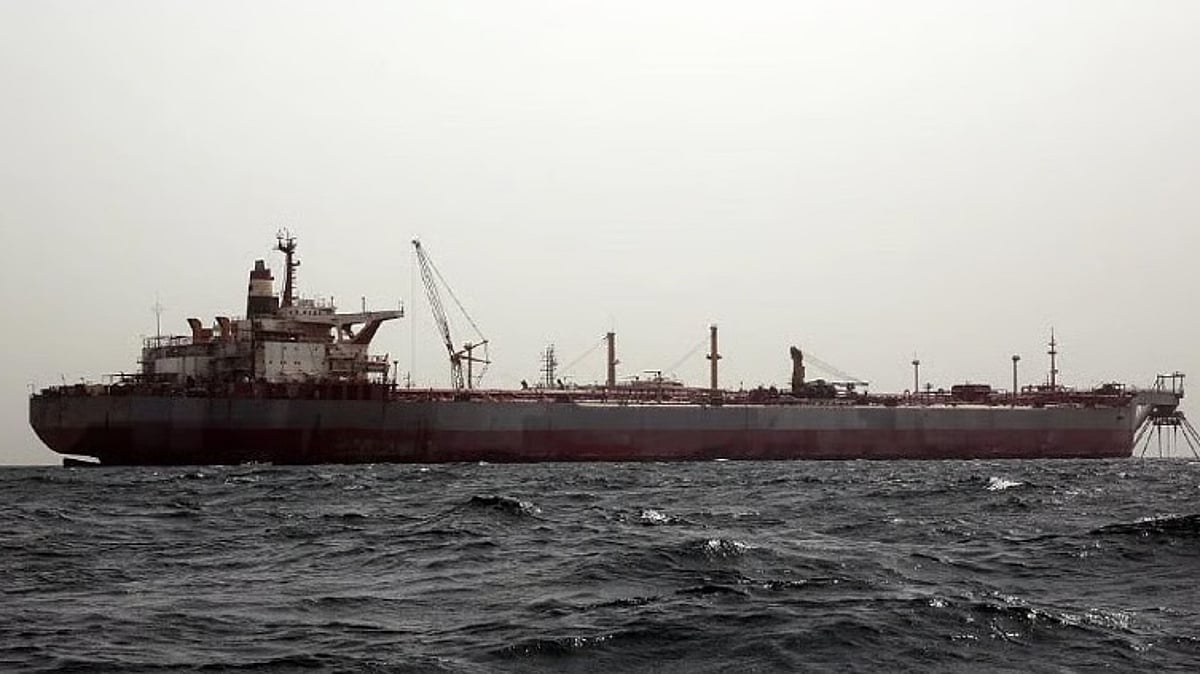
For the 22 sailors aboard the crude oil tanker MT DOMINICA PROSPERITY, the day began with routine work on a vessel flying the Liberian flag. The ship was navigating the waters near the Strait of Hormuz, a narrow, critical chokepoint through which a significant portion of the world's oil supply passes. On November 11, the calm of the Gulf was shattered when a projectile struck the vessel. The attack left the crew in immediate peril, stranded on a damaged ship in international waters that have recently become a theater of maritime tension. For the 19 Indian seafarers among them, the threat was personal and immediate; their families back home waited for a signal that would take hours to confirm.
The response from the United Arab Emirates (UAE) Coast Guard was swift, a testament to the region's heightened state of alert. Working against the clock, the coast guard team successfully evacuated all 22 members of the crew from the MT DOMINICA PROSPERITY. By the end of the operation, every person aboard the tanker was safe. This rapid evacuation was not an isolated miracle but a procedural necessity; in a conflict-prone zone, the ability to pull crew off a damaged vessel quickly can be the difference between life and death. The fact that all were rescued, including the entire Indian contingent, provided an early measure of relief in a situation that threatened to spiral into a diplomatic crisis.
While headlines often focus on the strategic implications of an attack on a tanker, the reality on the deck is deeply human. The MT DOMINICA PROSPERITY was carrying a diverse crew, but a significant majority—19 of the 22—were from India. These are not faceless workers; they are individuals with families, mortgages, and futures. The terror of a projectile impact, the noise of a ship taking damage, and the uncertainty of whether a rescue would arrive are experiences that leave psychological scars. The Indian government, through the Union Minister of Ports, Shipping and Waterways Sarbanand Sonowal, made a point of confirming their specific status. In a brief that served as a lifeline for families, Sonowal announced, "All 19 Indians on the ship are safe and there is no news of anyone being injured." This confirmation was not just a bureaucratic update; it was a reassurance that the state had its eyes on its citizens in a perilous foreign water.
That incident resulted in injuries to four crew members, including one Indian sailor.
The attack on the MT DOMINICA PROSPERITY was the second major incident in just 24 hours. On November 10, a different Liberian-flagged vessel, the MT FUJAIRAH ENERGY, had been struck by a projectile. That incident resulted in injuries to four crew members, including one Indian sailor. The proximity in time and location of these two attacks has raised international concern, as the Gulf region serves as a vital artery for global energy. Each incident chips away at the sense of security that allows millions of tons of oil to move freely, sending shockwaves through global markets and political capitals alike.
The anxiety surrounding these attacks is compounded by memory. Previously, another tanker, the MT LOUISE 1, was hit by limpet mines in the Strait of Hormuz. That attack caused a fire and put 27 Indian sailors at risk. Although all crew members from that incident were ultimately confirmed safe, the recurrence of attacks on vessels with significant Indian crews has made the Indian government hyper-vigilant. Minister Sonowal noted that the government is in continuous contact with ship management companies to ensure the safety and logistics of crew members. This proactive communication strategy is a key part of India’s response to a maritime environment that has grown increasingly hostile.
The attacks extend beyond the two Liberian-flagged tankers. A Saudi-flagged oil tanker named NCC Bujar, which was transiting the Strait of Hormuz, was also attacked. This vessel was carrying three Indian seafarers. The simultaneous targeting of vessels with different flags and nationalities indicates that the threat is indiscriminate in its impact on commercial shipping, regardless of ownership. The involvement of the UAE Coast Guard in the rescue operations underscores the collaborative nature of maritime security in the region, even as the attacks themselves erode trust. The increasing tension in West Asia has transformed the Gulf from a zone of relative stability into a high-risk area where a single projectile can disrupt global supply chains.
As of the most recent reports, the 19 Indian nationals from the MT DOMINICA PROSPERITY and the three from the NCC Bujar are accounted for and safe. The central government of India has stated it is working with ship management companies to provide necessary assistance and welfare for the rescued seafarers. However, the underlying threat remains. The 24-hour window between the attacks on the MT FUJAIRAH ENERGY and the MT DOMINICA PROSPERITY has set a new, dangerous tempo for the region. For the crews of the tankers that will soon enter these waters, the alert level will remain high, and the question of future safety hangs in the balance.