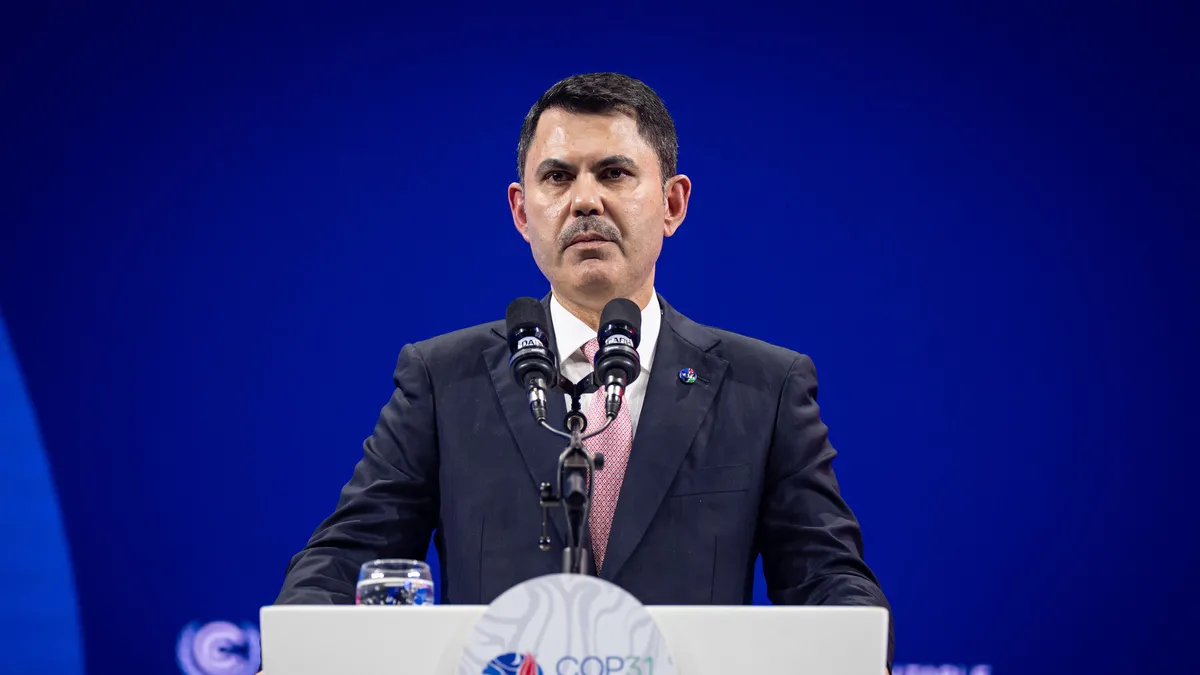
In the shadow of rising seas and scorched earth, a simple yet profound message echoes across continents: "Konuşmamız lazım"—"We Need to Talk." This isn't just a phrase; it's the title of a film that has become the unexpected centerpiece of the COP31 climate summit, bringing raw human testimony to the polished halls of international diplomacy. The documentary, shared by Turkish Environment Minister Murat Kurum—who also serves as President of COP31—features ordinary people from diverse corners of the globe, each bearing witness to the climate crisis reshaping their lives.
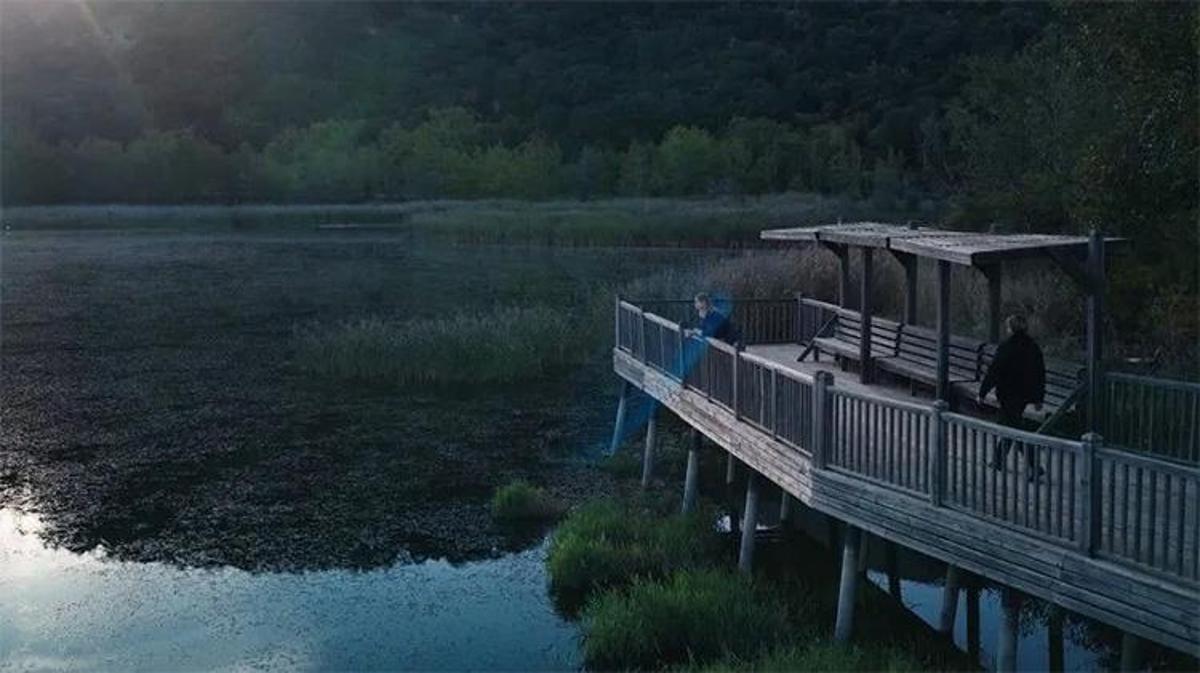
As the film screened at the COP31 Leaders Summit on November 12, 2026, Minister Kurum took to social media to amplify its message. His post wasn't merely a formality; it was a personal plea wrapped in the gravity of his dual role. "Yarın değil şimdi. Geleceğimiz için harekete geçme zamanı"—"Not tomorrow, but now. It's time to act for our future," he wrote, cutting through diplomatic niceties to deliver a stark truth. The minister's emphasis on immediacy reflects a growing recognition that climate negotiations, while essential, have often moved at a pace measured in decades when the crisis demands response measured in years, if not months.
The film itself is a masterclass in understated power. There are no dramatic reconstructions or expert commentators—only people standing in the places where climate change isn't an abstract concept but daily reality. From coastal communities watching their ancestral lands disappear beneath rising waters to farmers witnessing seasons become unrecognizable, the documentary weaves together a tapestry of human experience that transcends borders and languages. Each segment is a quiet indictment of inaction, a living counterpoint to the statistics and projections that often dominate climate discourse.
Each segment is a quiet indictment of inaction, a living counterpoint to the statistics and projections that often dominate climate discourse.
Minister Kurum's decision to showcase the film carries particular weight given Turkey's position presiding over COP31. As the host nation's representative, his endorsement of such a direct, people-centered approach signals a shift in how climate conversations might be framed—not as technical debates about emissions targets, but as moral imperatives rooted in human suffering and resilience. The film's screening at the Leaders Summit itself represents a strategic choice to ground high-level negotiations in the lived experiences of those most affected, potentially influencing the tone and tenor of proceedings.
The impact of "We Need to Talk" extends beyond the confines of the conference center. By circulating the film widely on social media, Kurum has ensured that the voices captured in it reach far beyond the usual audience of policymakers and activists. This digital distribution strategy transforms the documentary from a summit prop into a global call to action, potentially mobilizing public opinion in ways that formal agreements cannot. The film's message—that conversation must precede concrete action—resonates with a growing understanding that climate solutions require not just technological innovation but social and political transformation.
As COP31 continues, the film remains a touchstone, a reminder that behind every climate policy debate are human faces and stories. The documentary doesn't offer easy solutions or partisan talking points; instead, it presents a fundamental truth that transcends political divides: the climate crisis is fundamentally about people. In a world often divided by national interests and competing priorities, "We Need to Talk" suggests that our shared humanity might be the most powerful tool we have left in confronting our shared planetary emergency.