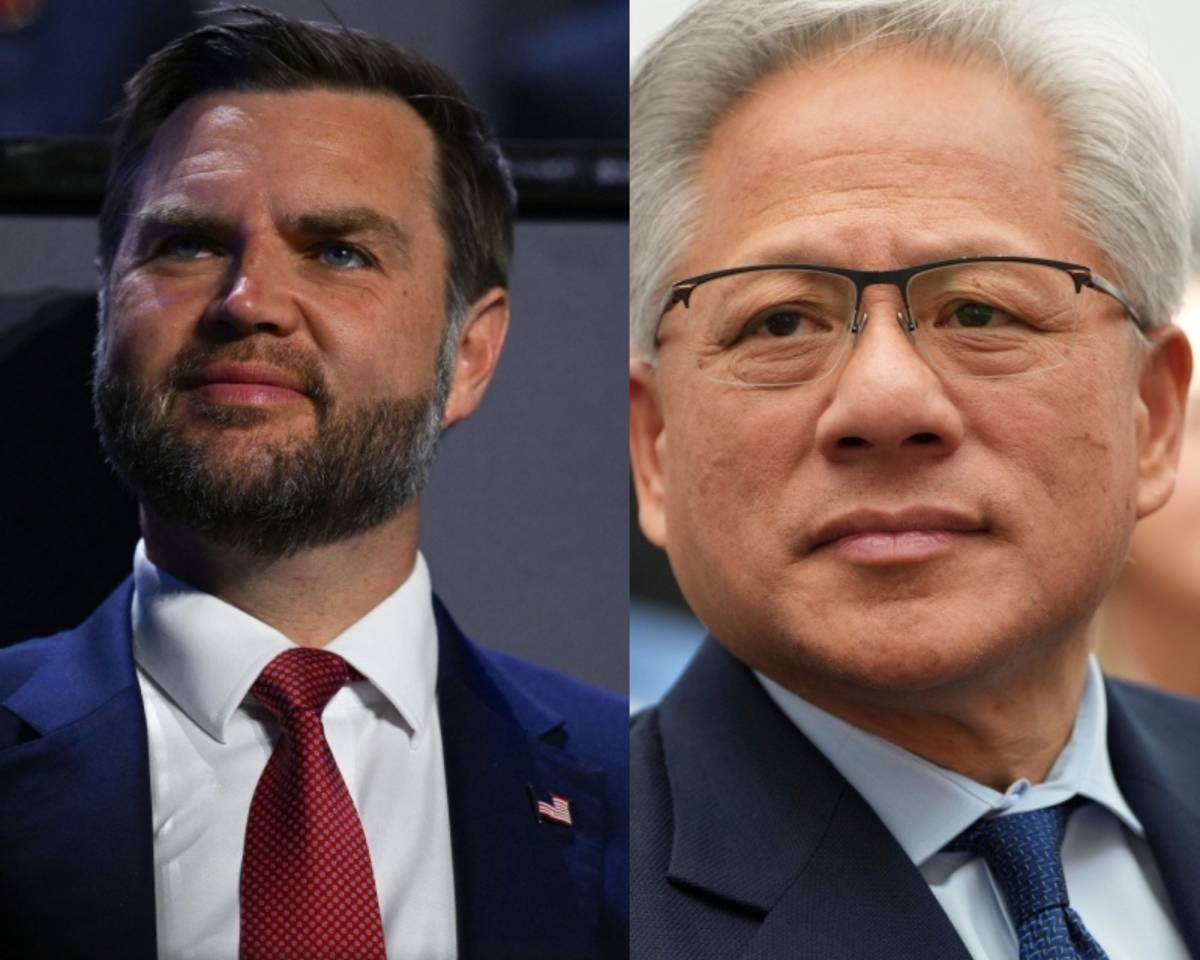
The timeline began with a shock that rippled through the global technology sector. Jensen Huang, the longtime chief executive of Nvidia, resigned from his post on November 1, 2023. For an industry where leadership continuity is often viewed as a primary driver of market stability, a CEO’s abrupt exit is a rare and unsettling event. Huang is not merely a corporate figurehead; he is the architect of a company that has become central to the artificial intelligence revolution. His departure raised immediate questions about what had gone wrong behind the scenes, transforming a routine corporate transition into a crisis of institutional confidence. At the time, the reasons for the resignation were not publicly clear, leaving analysts and the Nvidia board grappling with the void left by the company’s most visible and influential leader.

The situation escalated rapidly as it moved into the weekend following Huang’s initial resignation. While corporate affairs typically unfold within the private spheres of boardrooms, this story broke into the highest reaches of the American executive branch. According to reports, Donald Trump and Vice President JD Vance became personally involved with the Nvidia situation over the weekend. This involvement was not a ceremonial gesture; it was a deliberate, high-level pressure campaign. The key to understanding this intervention lies in the administration’s internal assessment of the situation.
However, the push to reinstate Huang did not happen in a vacuum. It took place against a backdrop of intense scrutiny from U.S. national security agencies. These agencies had raised concerns regarding a specific dimension of Huang’s life: his relationship with a suspected Chinese intelligence operative. In the modern geopolitical landscape, where chip technology is a proxy for national power, such a connection is treated with extreme gravity. It created a friction point in the White House’s desire to return to the status quo. On one hand, the President and Vice President saw the CEO as essential to the technological strategy of the country. On the other hand, security officials viewed the executive as a potential vector for espionage. This tension turned the reinstatement process into a multi-agency negotiation, one that stretched out over several days of behind-the-scenes maneuvering.
By establishing that the legal status was clean, the White House aimed to isolate the issue to a matter of policy judgment rather than criminal law.
To bridge the gap between these competing priorities, the Trump administration worked to provide direct assurance to Nvidia’s board. The goal was to defuse the national security objection while preserving the business continuity that the executives desired. The administration’s line was clear: Huang faced no criminal charges. This distinction is critical in corporate governance; a person under criminal investigation or indictment presents a fundamentally different risk profile than one who is merely subject to security review. By establishing that the legal status was clean, the White House aimed to isolate the issue to a matter of policy judgment rather than criminal law. This message was vital in convincing the board that reinstating the CEO would not expose the company to immediate legal jeopardy or mandate a criminal investigation.
Armed with these assurances from the highest levels of the government, Nvidia’s board moved to reverse the resignation. The reinstatement was finalized on November 7, 2023. This date marks the official return of Jensen Huang to the CEO position, effectively nullifying the November 1 exit. The board’s decision reflects a complex calculation. They weighed the potential instability of a leadership vacuum against the political and strategic will of the federal government. In this instance, the pressure from the President and Vice President proved decisive, signaling that the administration viewed Huang’s leadership as a matter of national interest, not just a corporate preference.
It is worth noting the scale of this intervention. The maneuvering was not a public spectacle but a quiet operation known to only a small number of senior government officials. This limited knowledge base suggests that the administration sought to manage the narrative tightly, perhaps to avoid amplifying the national security concerns or to prevent market volatility during the transition. The fact that this information remained restricted for several days underscores the sensitivity of the blend between intelligence matters and corporate leadership. It highlights a reality of the modern tech sector: the borders between national security policy and business operations are increasingly porous.
While the specific technical details of these models are complex, their strategic importance is clear. This moves the story from a personnel dispute to a broader debate about who controls the future of artificial intelligence.
As of now, Jensen Huang remains in his role, having successfully navigated a crisis that brought the highest levels of the U.S. government into the orbit of a private company. The episode serves as a stark reminder of the entangled relationship between Washington and Silicon Valley. While the immediate crisis has been resolved, the underlying questions about security and open standards remain. The boardroom has stabilized, but the tension between national security protocols and corporate autonomy will likely continue to shape the landscape in which Nvidia and its competitors operate.