On the morning of Wednesday, November 11, the rhythm of Andalusian life was punctuated by a sudden, jarring silence. At 08:20 a.m., the signal for Canal Sur Televisión, the region’s public broadcaster, vanished. In its place, viewers were met with a stark black screen and a brief, apologetic message: "The interruption of the broadcast is a consequence of the call for a general strike. Sorry for the inconvenience." This was not a technical failure, but a deliberate act of solidarity with a nationwide movement that has effectively brought Spain to its first general strike in 14 years.
The strike, organized by the major unions CCOO and UGT alongside the Sindicato de Inquilinas, represents a significant escalation in labor tensions. By the early hours of Wednesday, the impact was already being felt far beyond the television studio. Pickets had successfully blocked access points to Madrid and the Sants station in Barcelona, signaling a coordinated effort to disrupt the flow of the country. According to data from Comisiones, the economic pulse of the nation slowed almost immediately, with electricity consumption dropping by 9.7% in the opening hours of the day.
While Canal Sur opted to halt its regular programming, other public media outlets faced the complex reality of "minimum services." These regulations, established by the Andalusian Ministry of Employment, Business and Self-Employment through the General Directorate of Labor Safety and Health, were published in the Official Bulletin of the Junta of Andalusia (BOJA). The decree dictates that even during a general strike, the production and broadcasting of relevant news in a reduced format must be maintained by the strictly necessary staff to ensure the public remains informed.
While Canal Sur opted to halt its regular programming, other public media outlets faced the complex reality of "minimum services.
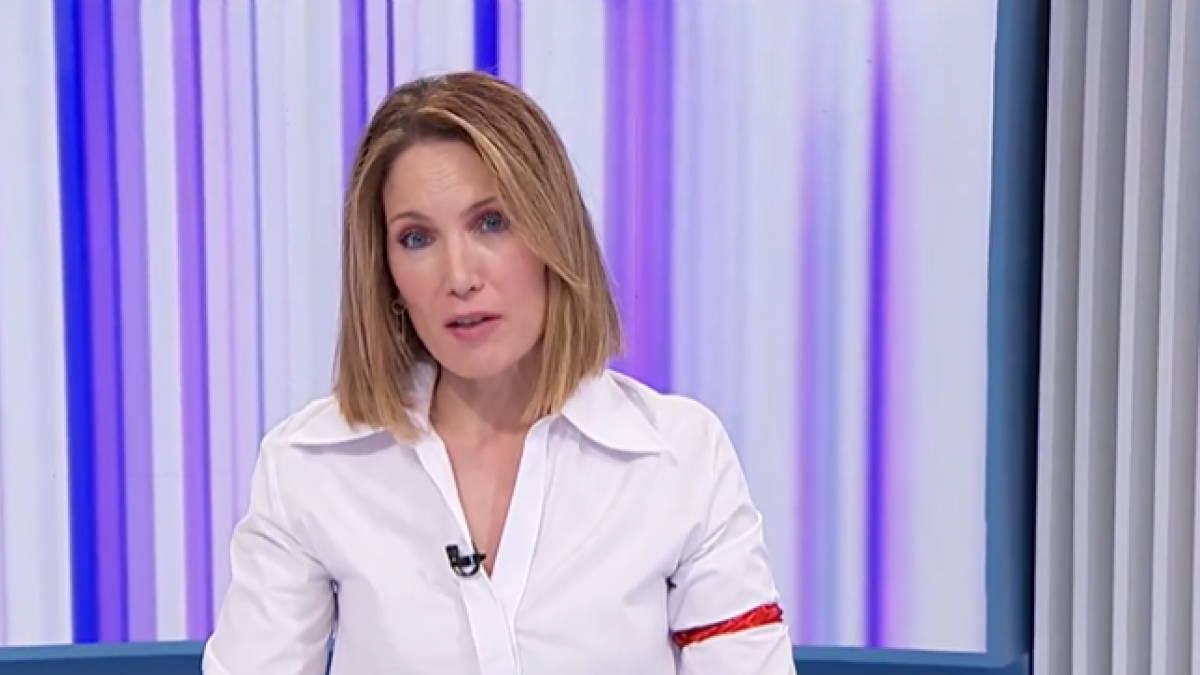
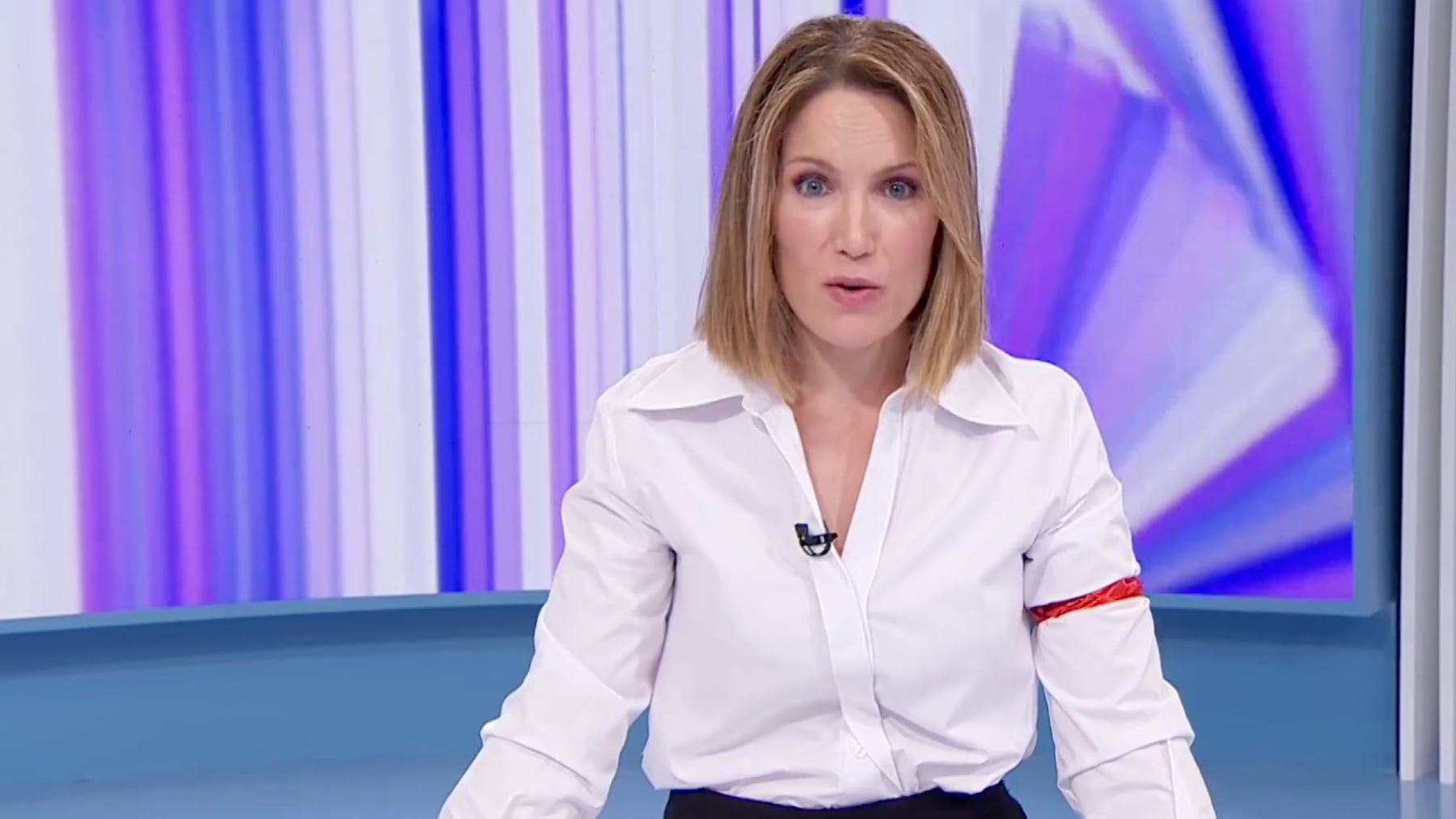
This legal requirement placed presenters like Silvia Intxaurrondo at the center of a public debate. As she opened an edition of 'La Hora de la 1' on November 11, she addressed her presence on air directly. Intxaurrondo explained that her program was considered an essential service, and that the broadcast was being produced by a skeleton crew of workers who were either designated as minimum services or had chosen not to participate in the strike. Throughout the day, the program served as a platform for the competing interests of the moment, featuring interviews with union leaders like Pepe Álvarez of the UGT and Unai Sordo of the CCOO, alongside a connection with Ángela de Miguel, the Vice President of the business organization CEOE.
The decision to go dark is not an unfamiliar tactic for the staff at Canal Sur. The channel has a history of using such interruptions to signal deep-seated grievances, having previously halted broadcasts during the Christmas lottery draw and budget approvals in 2020—a year marked by protests against a 14 million euro budget cut. Another notable interruption occurred in May 2026, when staff protested against what they described as the outsourcing and political manipulation of news during the Andalusian electoral campaign.
As the day progressed, the strike became a focal point for the country’s political divisions. While the government, including figures like María Jesús Montero, offered support for the mobilization, opposition parties—most notably the PP—remained sharply critical of the action. The strike, which saw minimum services for rail transport ranging from 50% to 75% and air transport between 18% and 85%, remains a powerful, if polarizing, demonstration of the influence wielded by organized labor and the Tenant Union in the current economic climate. For now, the black screen on Canal Sur and the ongoing, restricted broadcasts on other channels stand as the most visible markers of a nation grappling with its most significant labor unrest in over a decade.