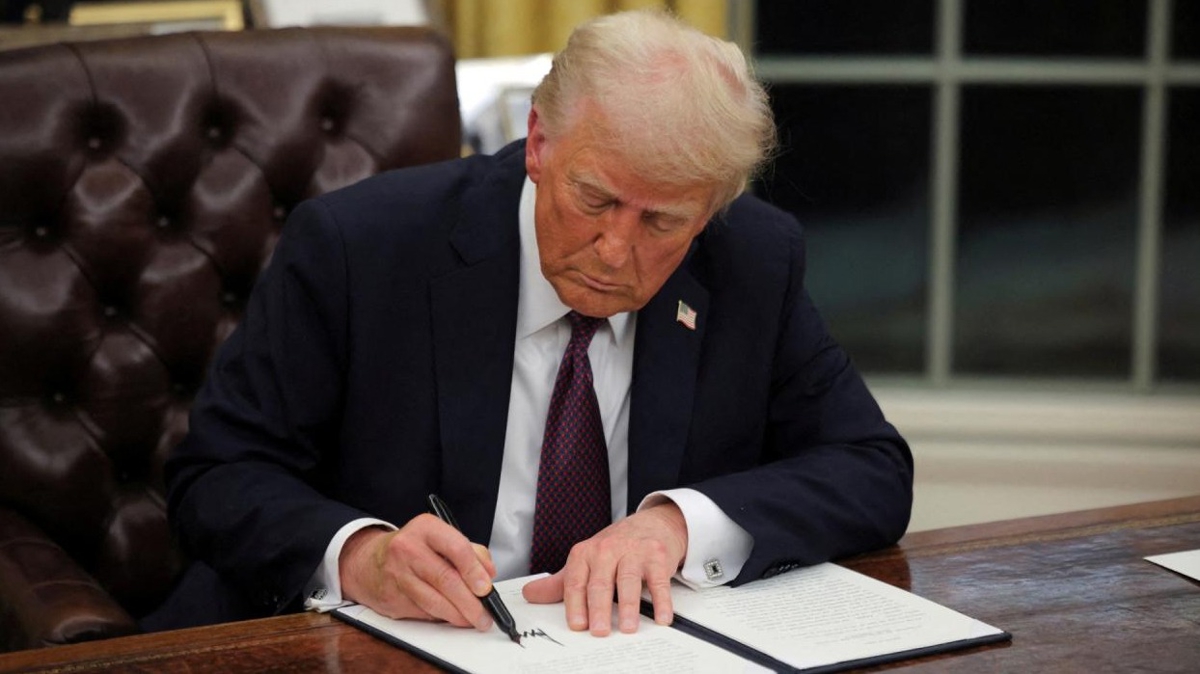
In the long legal history of the United States, few concepts are as settled as the idea that a child born on American soil is, almost without exception, an American citizen. Yet over the past eighteen months, that fundamental principle has been subjected to an unprecedented series of challenges from the White House. It began on January 20, 2025, when President Donald Trump signed an executive order targeting children of undocumented or temporary parents, effectively attempting to strip them of the citizenship they would otherwise receive by birth. At the time, the move sent shockwaves through the legal community, as it sought to rewrite a two-century-old interpretation of the Fourteenth Amendment that has remained largely unchallenged since its ratification in the nineteenth century.
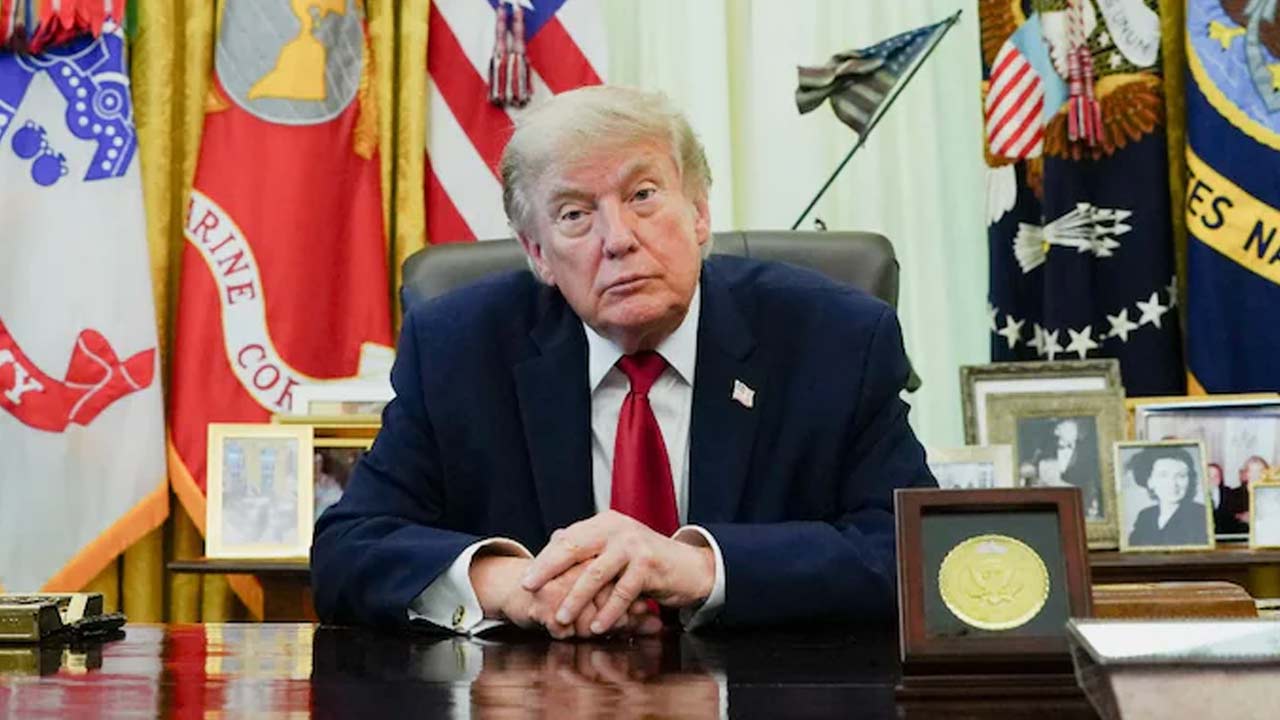
The legal counterpunch came quickly, but it was the subsequent Supreme Court decision that truly defined the boundaries of presidential power in this domain. The Supreme Court ruled that the January 2025 order was unconstitutional. In a 6-to-3 vote, the justices affirmed that the President does not have the authority to create new exceptions to birthright citizenship for children born within the jurisdiction of the United States. This high-court victory seemed to close the chapter, or at least signal that the executive branch had hit a hard legal ceiling. However, the political battle was far from over. The ruling did not stop the administration from seeking other avenues to enforce stricter immigration controls, leading to a new wave of executive actions that would once again land on the desks of federal judges.
On August 6, President Trump signed a new set of executive orders that expanded the categories of individuals deemed ineligible for citizenship, even if they were born in the United States. These new decrees went further than the January 2025 order, specifically targeting those involved in 'birth tourism'—the practice of traveling to the United States primarily to give birth. The administration's legal team argued that these specific exceptions were necessary to protect the integrity of the country's immigration system, contending that the Supreme Court's previous ruling had not foreclosed all possibilities for limiting the scope of the right.
The judge's language in the ruling was direct, leaving little room for interpretation of the executive's authority.
It was Federal District Court Judge Christopher Cooper, sitting in Washington, who stepped in to halt the implementation of these new orders. Cooper issued a preliminary injunction that blocks federal agencies from enforcing the August 6 decrees. In his written ruling, Cooper relied heavily on the precedent set by the Supreme Court just months earlier, noting that the court had already spoken definitively on this matter. The injunction effectively froze the executive's new policies, forcing a pause in enforcement while the legal battles continue. For civil rights advocates who had been watching the situation with growing alarm, the ruling from Judge Cooper was a significant victory, keeping the status quo intact for now.
The judge's language in the ruling was direct, leaving little room for interpretation of the executive's authority. As Cooper wrote, the Supreme Court had clearly established that the President cannot introduce new exceptions to birthright citizenship for children born within US borders. He emphasized that the current framework of citizenship law promises status to nearly all children born in the United States. Cooper further noted that while it goes without saying, it is always in the public interest for federal agencies to adhere to the Constitution and federal laws. This insistence on constitutional fidelity served as the bedrock of the injunction, reinforcing the idea that the executive branch cannot unilaterally alter the status of newborns based on the immigration status of their parents or their national origin.
As with the original January 2025 order, civil rights organizations were quick to mobilize against the August measures. The American Civil Liberties Union (ACLU) was among the groups that filed a petition in Washington, challenging the new executive orders. The legal fight is not just about the individuals directly affected; it represents a broader test of how much discretion the President has over who is granted the full rights of citizenship upon birth. The ACLU and other allies have argued that these orders create a hierarchy of citizens, effectively penalizing children for the actions or statuses of their parents, which is antithetical to the foundational principles of equal protection.
With the preliminary injunction in place, the administration faces a complex legal landscape. The Supreme Court's 6-to-3 ruling earlier this year serves as a powerful precedent, but the fact that the vote was not unanimous leaves some legal ambiguity that the administration hopes to exploit in future arguments. For now, however, Judge Cooper's order stands, preventing federal agencies from executing the August 6 decrees. The story of birthright citizenship in the 2020s has evolved from a dormant constitutional clause into a high-stakes political battleground, where every new executive signature is immediately met with a legal counter-movement. The result is a system w