
In the intricate dance of French politics, the 2027 Social Security financing bill has taken an unexpected turn. On November 18, 2025, the French Senate voted to adopt this crucial piece of legislation in its first reading, marking a significant development in the bill's tumultuous journey through the French parliamentary system. The vote, which saw 201 senators in favor and 124 against, demonstrated the Senate's willingness to move forward where the National Assembly had failed.
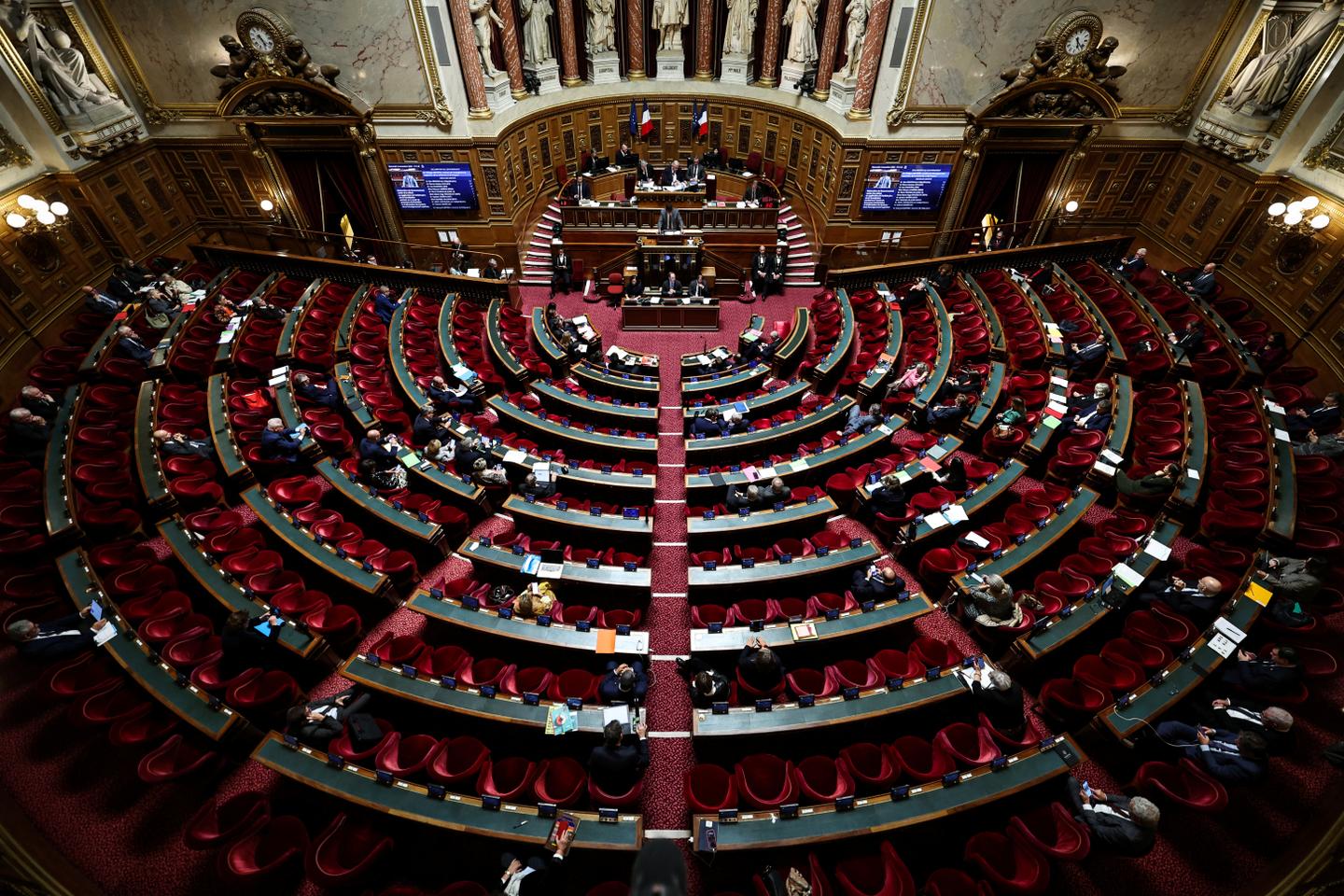
The bill's path has been far from smooth. Just prior to the Senate's action, the National Assembly had rejected the Social Security financing bill due to the absence of a supportive majority. This rejection created a political impasse, leaving the future of France's social security system in limbo. The Assembly's critical stance reflected deep divisions within the lower house of Parliament, highlighting the challenges of forging consensus on such a fundamental piece of legislation.

French PM Lecornu Considers Using Article 49.3 Or Executive Order For 2027 Budget – BFM https://t.co/eYfIctzUUw
The upper house, dominated by right-wing and centrist members, approached the bill with a different perspective. While the Senate passed the legislation, it did not do so without making significant modifications, particularly regarding pension reforms. These changes represent a distinct vision for France's social security system, one that differs from the original proposal and from the preferences of the National Assembly.
With the Senate's adoption of the bill, the legislative process now moves to a crucial next stage: a joint committee known as the Commission Mixte Paritaire (CMP).
The Senate's vote was substantial, with 201 senators supporting the bill compared to 124 who opposed it. This clear majority in the upper house demonstrates the bill's viability within the Senate's political landscape. The 2027 Social Security budget, at the center of this political maneuvering, represents a critical financial framework for France's social protection system, covering healthcare, pensions, and other essential social services.
With the Senate's adoption of the bill, the legislative process now moves to a crucial next stage: a joint committee known as the Commission Mixte Paritaire (CMP). This committee, scheduled to meet the following week, brings together deputies from the National Assembly and senators from the upper house to negotiate a common text. The task is described as highly perilous, given the significant differences between the two chambers' versions of the bill. The success of these negotiations will determine whether France can secure a unified Social Security budget for 2027.
The current situation reflects the broader challenges facing French social security policy. The bill's journey through Parliament has exposed fundamental disagreements about the direction of France's social protection system. As the joint committee convenes, the political stakes remain high, with the potential impact on millions of French citizens who rely on these social programs. The outcome of these negotiations will not only determine the fate of the 2027 budget but may also shape the future trajectory of social policy in France for years to come.