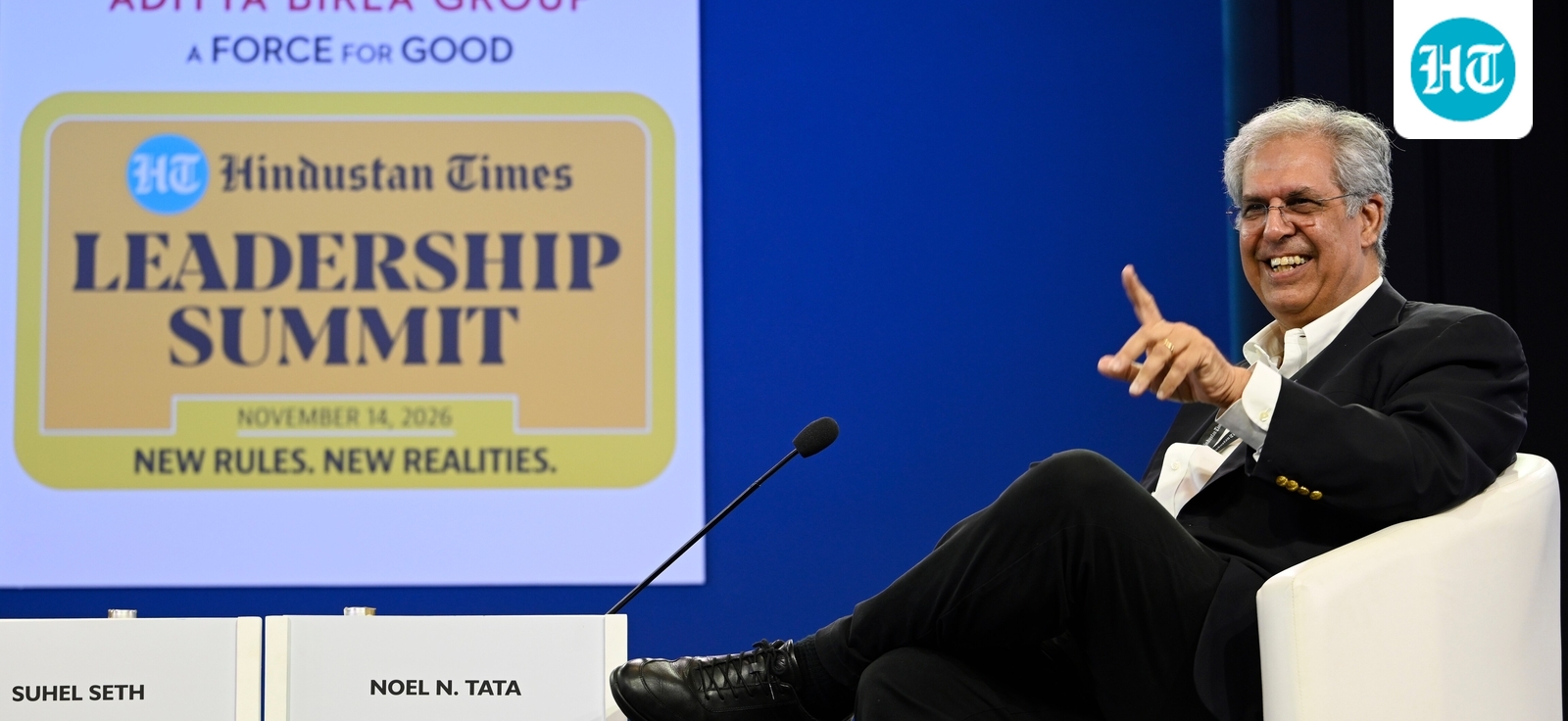
The 24th edition of the Hindustan Times Leadership Summit in New Delhi brought together India's business leaders, with questions about the future of the Tata Group at the forefront. Noel Tata, chairman of Tata Trusts, took the stage to address concerns about the direction of the conglomerate. He spoke of a 'Tata way' that he believes is under threat from the prospect of a public stock market listing. His remarks came at a critical time, days before a board meeting and amidst internal discussions within the trusts that govern the Tata Group.
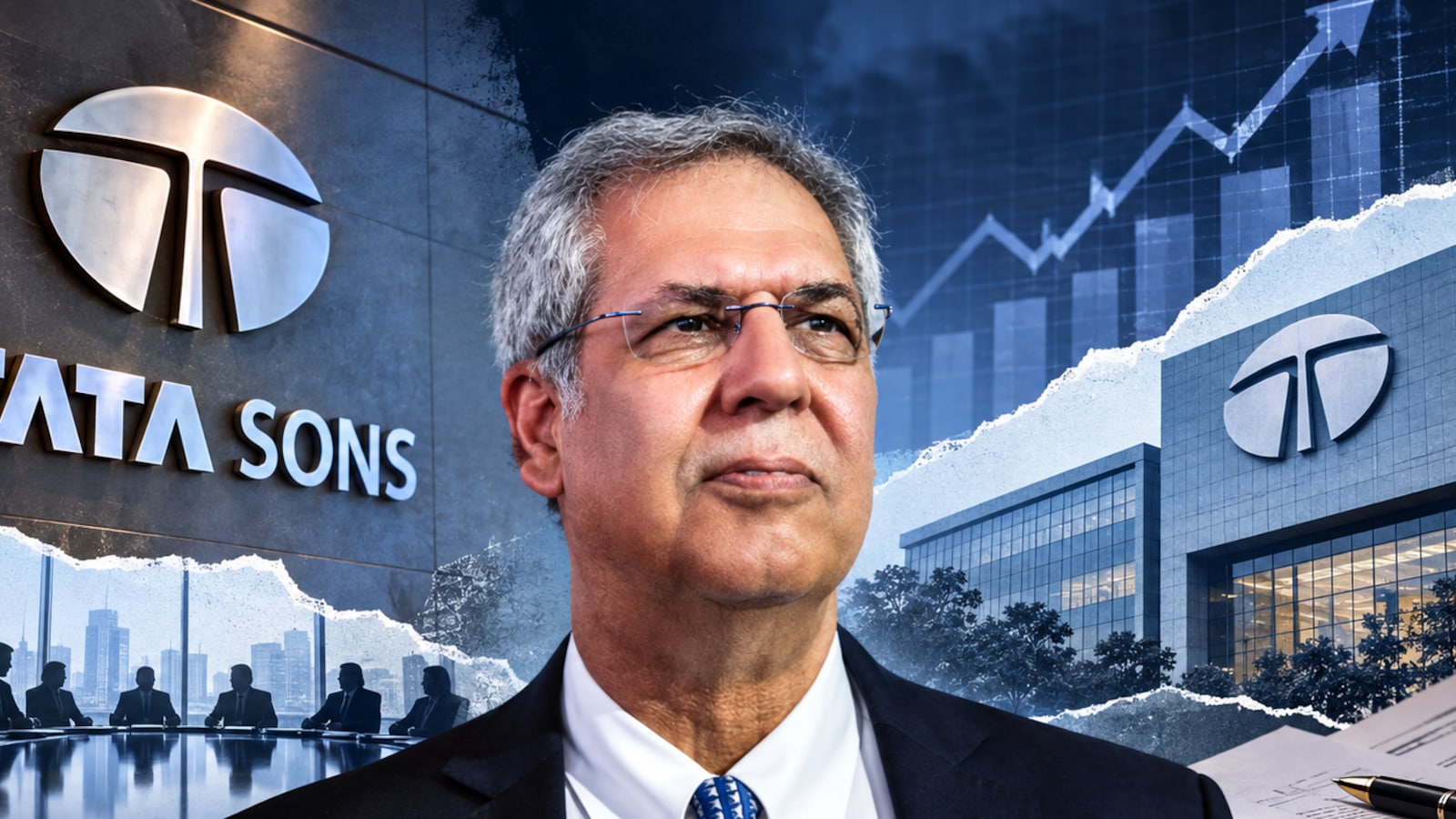
To understand the significance of Noel Tata's concerns, one must understand the foundation of the Tata Group. It is built on a simple premise: charity precedes commerce. This principle guides the organization's operations, with profits channeled back into public good through hospitals, libraries, and relief efforts. This philosophy has contributed to the Tata name's significant social standing in India, making it a trusted name during times of crisis and need.

Charity Owns Commerce, Listing Will Change The Tata Way: Noel Tata https://t.co/d2MWhP5BgG https://t.co/c7u4IhnION
Noel Tata argues that this philosophy can only survive under the current ownership structure. He describes the owner as an entity that 'cannot die, cannot be bought, and cannot retire.' This private nature of Tata Sons, the holding company that controls the empire, ensures continuity. Because ownership is held within the Tata Trusts, decisions are made based on long-term vision rather than short-term market pressures. The owner functions as an enduring force that maintains the group's direction regardless of who leads it.
The owner functions as an enduring force that maintains the group's direction regardless of who leads it.
The primary concern, according to Noel Tata, is that listing Tata Sons would fundamentally alter the 'Tata way.' He warns that with tens of thousands of public shareholders, profit might take precedence over philanthropy. 'My worry is that listing, which is what some people are proposing, will change this way, the Tata way,' Noel Tata stated. 'And one day, if we have 30,000, 40,000 shareholders, profit may take precedence over philanthropy.' He believes this would fundamentally change how the Tata Group operates.

'My worry is that listing will change the Tata way': Noel Tata fears profit over philanthropy https://t.co/rRU4xrJcwo
Beyond philosophical concerns, Noel Tata points out practical advantages of keeping Tata Sons private. A private structure allows the holding company to act as a backstop for struggling group companies, providing necessary capital without having to justify expenses to outside investors. This enables the group to support businesses through downturns and prioritize long-term stability over immediate profitability.
The timing of these remarks is significant, coming after recent changes in leadership. The internal discussions within Tata Trusts regarding control and the future direction of the company have become more prominent. Noel Tata's vocal opposition to a listing indicates his role in shaping the group's future, as different factions debate whether to maintain the private, philanthropic structure or pursue a more traditional corporate path.

Noel Tata at HT Leadership Summit https://t.co/6Lf26SJHLo
The tension is evident as the group approaches a board meeting. The debate has moved from theoretical to practical, with some members seeing a listing as necessary for modernization and others, led by Noel Tata, viewing it as incompatible with the group's founding principles. The outcome of this meeting will determine whether the Tata Group remains a private institution focused on philanthropy or becomes a public corporation responsive to market demands. The future of the 'Tata way' hangs in the balance.