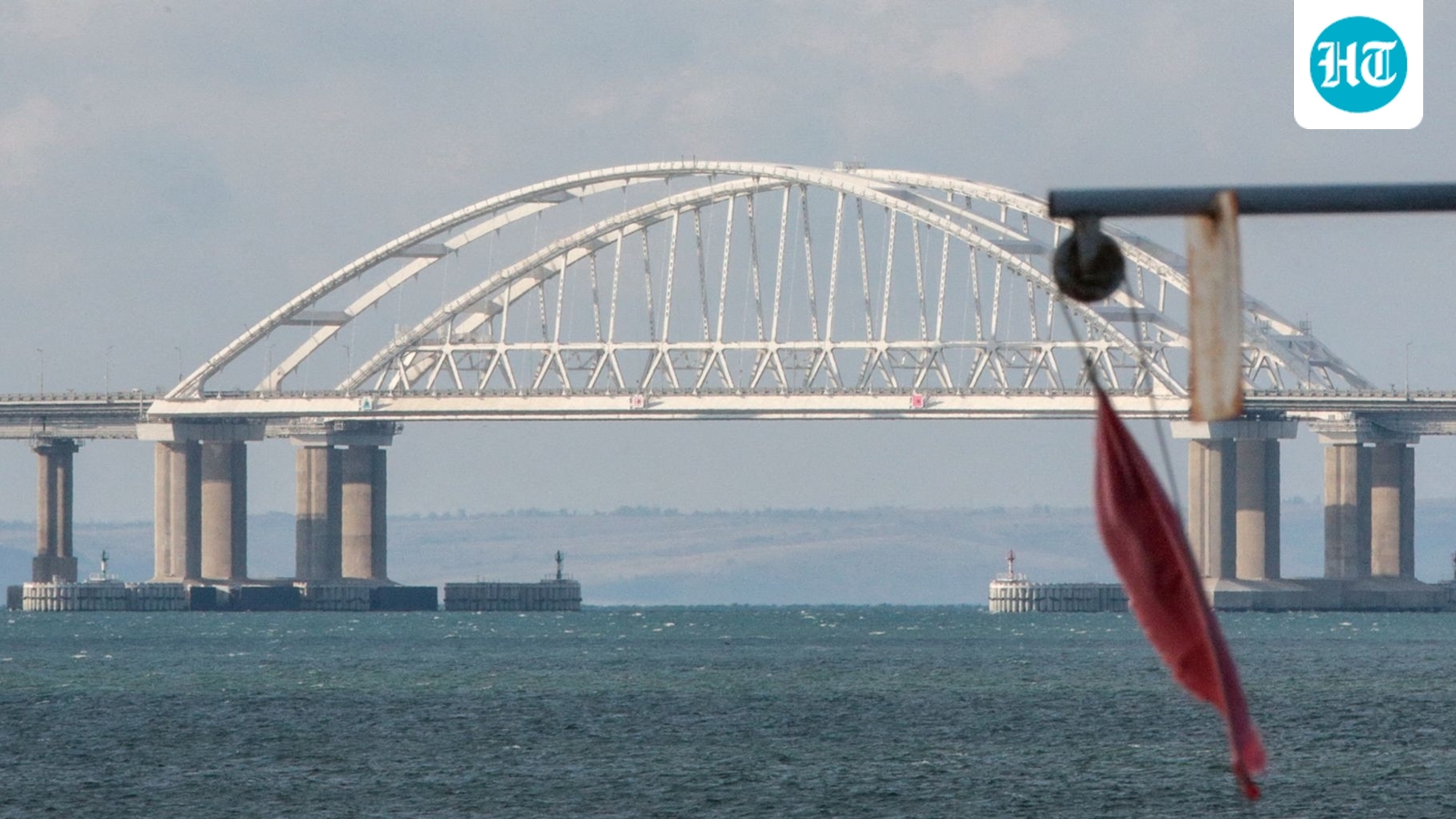
It is more than a piece of infrastructure; it is a symbol of engineering ambition and political control. But on November 17, that symbol cracked. The collapse of the road section’s arch did not just disrupt traffic; it marked the successful culmination of a complex, seven‑stage military operation designed to prove that Russian air superiority over the Black Sea was no longer absolute.
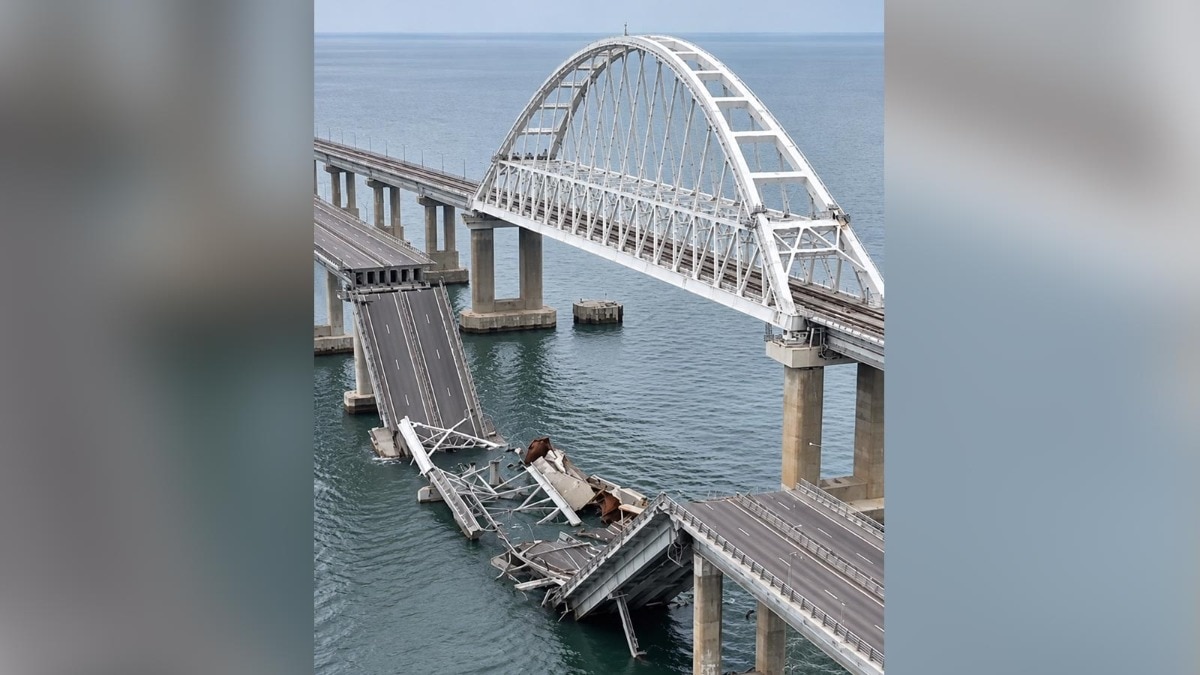
Ukrainian forces spent a month suppressing Russian air‑defence systems, radars and electronic‑warfare equipment to create the conditions needed for the strike. The operation, described by President Volodymyr Zelenskyy as “unprecedented,” combined drones with domestically produced “Flamingo” cruise missiles to hit the bridge’s critical steel arch. When the missile struck, a section of the road bridge spanning roughly 227‑270 metres collapsed into the sea, rendering the road link completely out of service while the parallel railway line remained standing but damaged.
Zelensky framed the attack as a reminder that “war will always return to where it began,” emphasizing that the bridge was a key supply artery for the occupation of Crimea. By disabling the fastest route for military hardware, fuel and personnel, Ukraine struck a blow to the logistical chain that supports Russian forces on the peninsula.
Rebuilding will therefore require a substantial effort, underscoring how the structure has become a focal point of the conflict.
The Russian government confirmed the damage and advised motorists to avoid the area. Kremlin spokesman Dmitry Peskov vowed that the bridge would be restored, stating, “There is no doubt whatsoever that the bridge will be restored, and it will be even better than before.” The original bridge, opened in 2018, cost about 3.5 billion USD to build and stretches 19 kilometres across the strait. Rebuilding will therefore require a substantial effort, underscoring how the structure has become a focal point of the conflict.
As the dust settles on the Kerch Strait, the bridge has moved from a symbol of permanent connection to a frontline target. Its partial destruction illustrates how infrastructure can shape, and be shaped by, the dynamics of war.