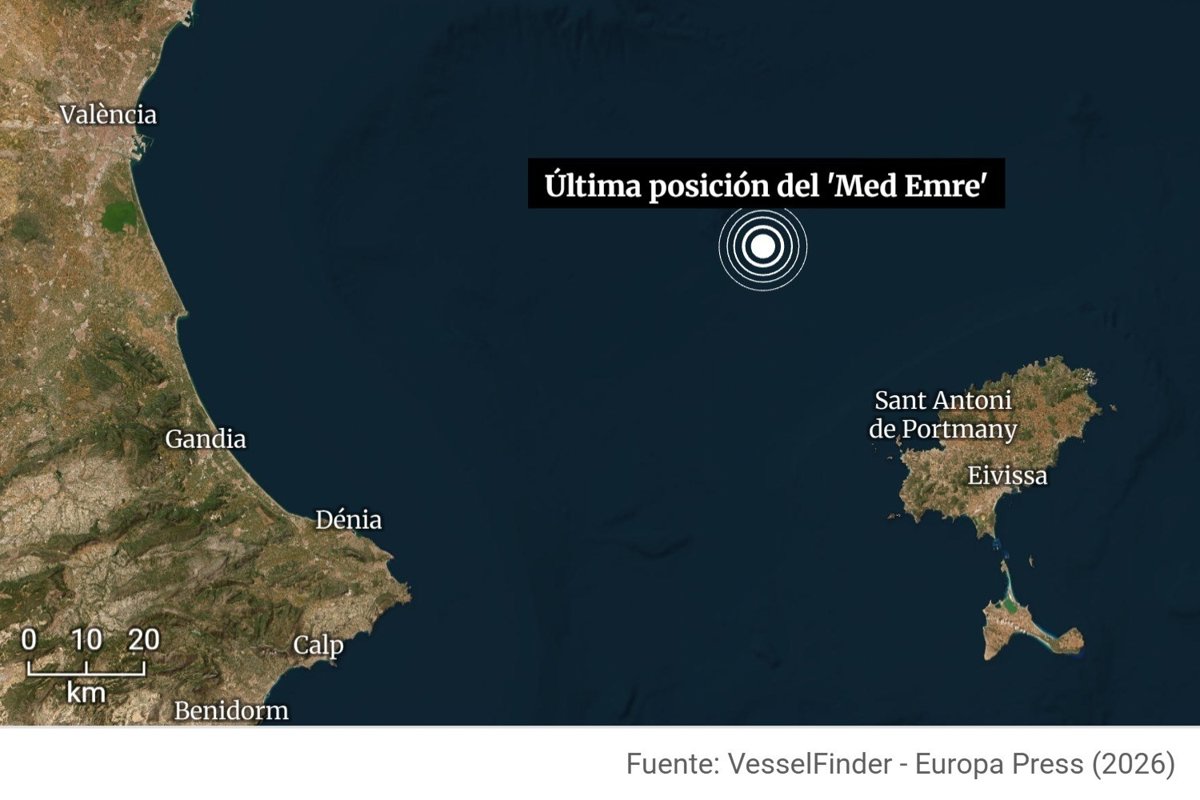
A devastating incident has occurred off the coast of Ibiza, Spain, where a chemical tanker, the Med Emre, sank approximately 25 nautical miles northwest of the island. The vessel, which was traveling from Algeciras to Barcelona, was carrying 8.2 million liters of diesel. This significant amount of fuel has raised concerns about potential environmental damage. The Med Emre, a 120-meter Malta-flagged tanker built in 2019, was crewed by 17 members, all of whom were rescued by Salvamento Marítimo vessels and aircraft, although tragically, one crew member lost their life.

On the day of the incident, the ship's distress call was received at 21:30, reporting a water ingress and a 90-degree list, indicating a severe and potentially catastrophic situation. The rescue operations involved helicopters from Palma, Valencia, and Tarragona, as well as various merchant and rescue vessels. Seven crew members were transferred to Ibiza, where one was pronounced dead at Can Misses Hospital. Six others were discharged at Ibiza airport, suffering from hypothermia and minor injuries. The General Directorate of Merchant Marine activated the national maritime pollution contingency plan at level two, and the Balearic Government activated the Platerbal civil protection plan, demonstrating a swift and coordinated response to the emergency.
The specialized salvage ship Clara Campoamor was dispatched to assess the impact of the fuel spill. Fortunately, no diesel has been seen on the surface yet, and the ship's location facilitates recovery efforts. The Government of the Balearic Islands activated its emergency plan due to the significant fuel load on board the Med Emre. As Pablo Gárriz noted, "Se ha recibido información por parte del capitán marítimo de Ibiza del hundimiento de un barco quimiquero, un barco que transportaba combustible, cerca de 7.000 toneladas métricas de gasoil," highlighting the severity of the situation and the importance of a rapid response.
The cargo volume of the Med Emre, although substantial, is significantly lower than that of the 2002 Prestige disaster, which had a cargo capacity of 77,000 tons.
The cargo volume of the Med Emre, although substantial, is significantly lower than that of the 2002 Prestige disaster, which had a cargo capacity of 77,000 tons. This precedent serves as a reminder of the potential environmental risks associated with such incidents. However, as a Government Spokesperson pointed out, "The big news is that the ship is not lying at a depth of 1,000 meters," which could facilitate recovery and minimize environmental damage. Salvamento Marítimo reported no signs of contamination, stating "restos del buque, objetos flotantes ni indicios de contaminación," indicating that, at the time of the report, there was no visible debris or contamination.
As of now, four crew members are hospitalized for hypothermia, dehydration, and toxic effects, while five remain on a rescue vessel. The incident has sparked a major rescue operation, with multiple agencies and vessels involved. The situation is being closely monitored, and the activation of the national maritime pollution contingency plan and the Balearic civil protection plan demonstrates the seriousness with which the authorities are treating this incident. The fact that the Med Emre is floating upside down rather than having sunk completely may aid in recovery efforts and potentially mitigate the environmental impact.
The sinking of the Med Emre off the coast of Ibiza is a sobering reminder of the risks associated with maritime transport, especially when carrying hazardous materials like diesel. The swift and coordinated response by the authorities and rescue services has likely minimized the immediate impact, but the situation will continue to be closely watched. As the investigation into the cause of the sinking and the assessment of the environmental damage continue, it is clear that this incident will have significant implications for maritime safety and environmental protection in the region.
The incident involving the Med Emre serves as a stark reminder of the importance of vigilance and preparedness in preventing and responding to maritime disasters. As the situation continues to unfold, it is essential to consider the potential long-term effects on the environment and the community. The response to this incident will be crucial in determining the extent of the damage and the effectiveness of the measures in place to prevent such disasters.