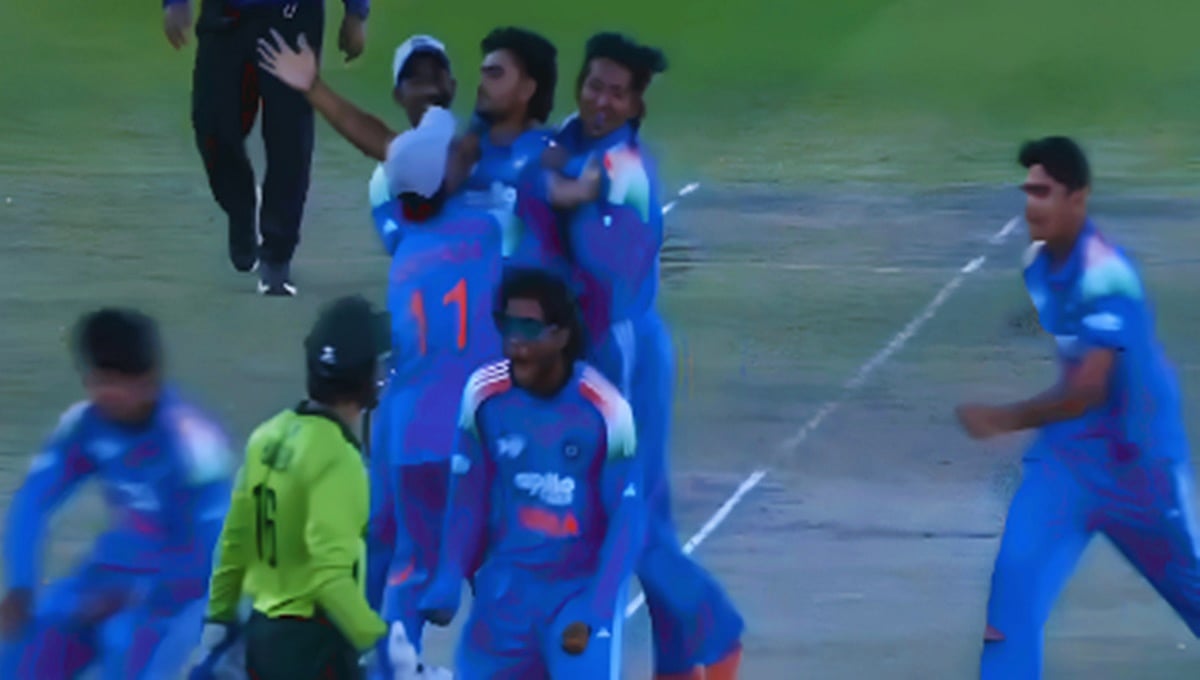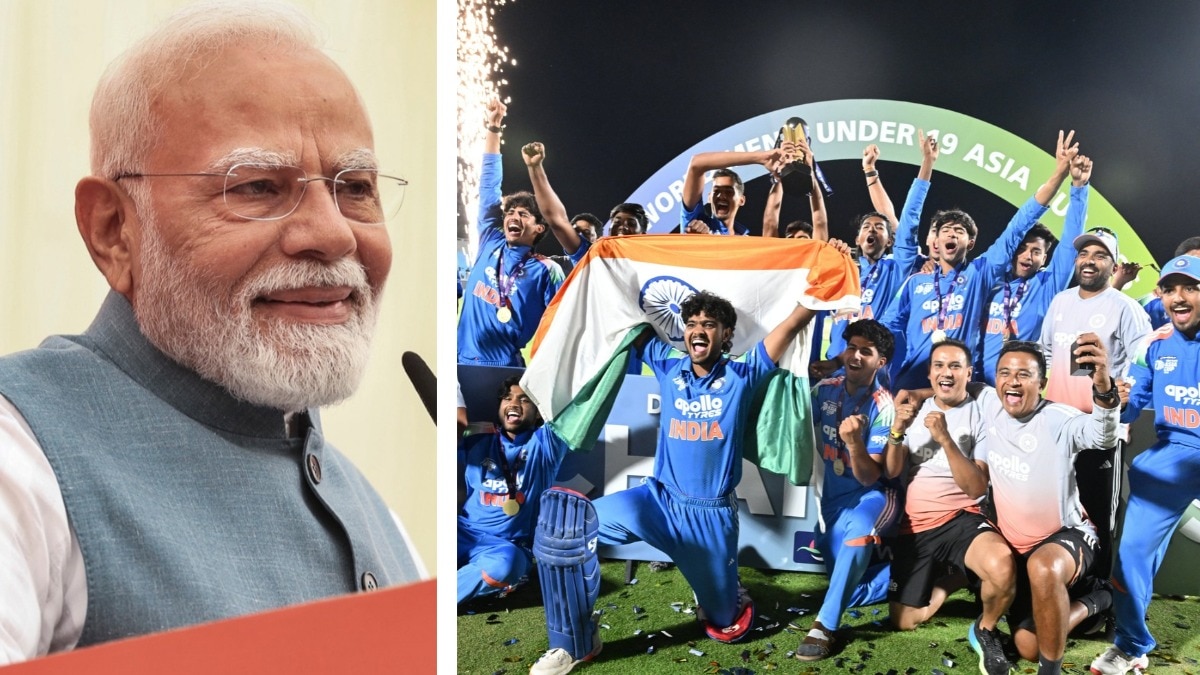
The air in the stadium in Oman was thick with the kind of tension that only accompanies the final days of a continental championship. The Under-19 Asian Cup had reached its climax, pitting India against Pakistan in a contest that went far beyond a simple scoreline. For the millions watching from home, this was not just a game; it was a mirror reflecting the state of the nation’s sporting future. The match, concluded on November 14, 2026, would become a defining moment for the young men taking the field. As the two teams took their positions, the weight of expectation was palpable. Cricket in this region is rarely just a sport; it is a civic ritual, a shared language of passion and rivalry. On this day, the language was about to be spoken by a new voice, one that would soon capture the imagination of the country's highest levels.
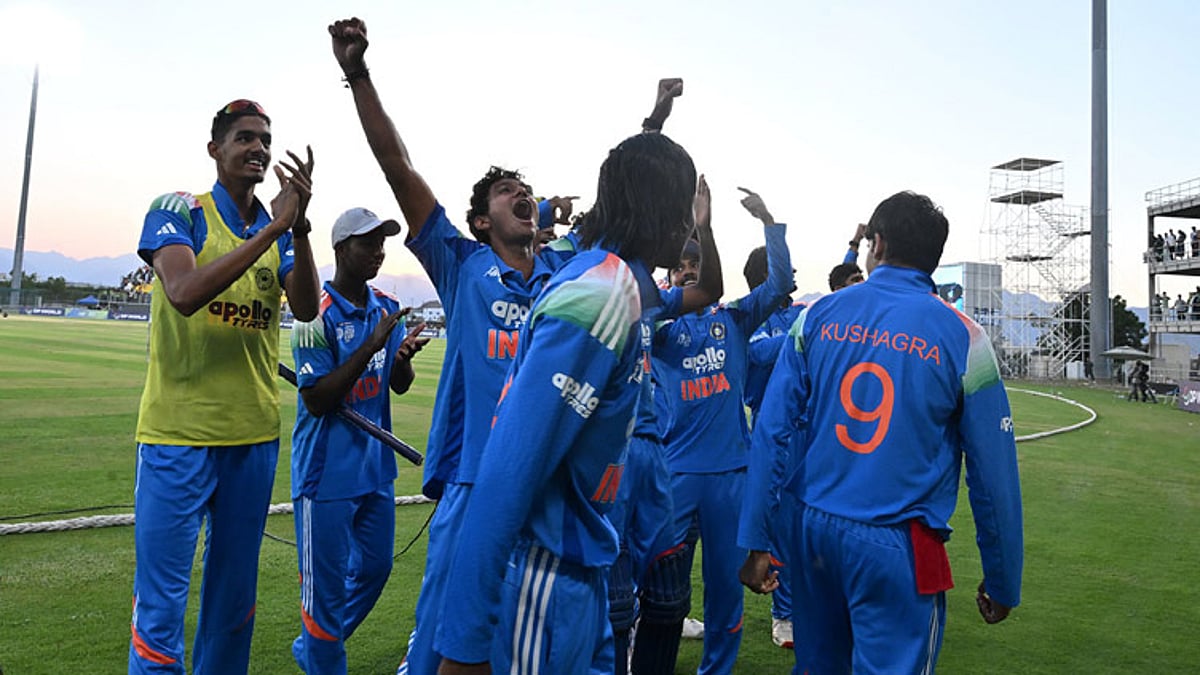
To understand the magnitude of the chase that followed, one must first appreciate the fortress Pakistan constructed. Bating first, the Pakistani side set a target that seemed daunting, even insurmountable, to many observers. They scored 337 runs in 50 overs, a total that required a significant response from the chasing side. At the heart of this effort was Usman Khan, who displayed remarkable composure to score 107 runs. His performance was the engine of Pakistan’s innings, driving the total upward with precision and power. For India, the scoreboard presented a challenge: they needed to post a total of 338 just to have a chance. In the fast-moving world of limited-overs cricket, such targets are often designed to be difficult. Yet, the Indian team did not view 338 as an impossible barrier, but as a specific, solvable equation.
As the Indian innings began, the focus shifted to the middle order and the leadership of the team. Captain Lakshya Roychandhni stepped up to the crease, delivering a score of 80 runs that provided the backbone of the innings. His stability was crucial, allowing the team to manage the pressure of chasing a three-figure target. But a win required more than just stability; it required momentum. Enter Aryavir Sachdev, who contributed 58 runs, ensuring that the Indian batting lineup maintained its offensive posture. These scores were not isolated incidents but a coordinated effort to dismantle the defense Pakistan had set up. The chase was progressing, but the margin for error was shrinking with every dismissal. India was losing wickets, and the final count would show they lost nine of their ten, a testament to the fierce nature of the contest.
With the target within reach but still a considerable way off, the spotlight fell on Mohit Ullawa.
The drama of the game was not reserved for the early stages, but saved for the very end. With the target within reach but still a considerable way off, the spotlight fell on Mohit Ullawa. In the final phase of the match, he scored 49 runs off just 26 balls. This kind of scoring rate is a display of pure, unadulterated aggression and technique. Ullawa remained unbeaten, sealing the victory on the last ball of the match. India finished with 339 runs, which meant they defeated Pakistan by 9 wickets. This victory was not merely a win; it was a reclaiming of the Asian Cup for India, a title that had slipped away and was now firmly in their hands. The final ball of the match provided a cinematic ending to a contest that had been intense from the very first delivery.
The reaction to this victory did not stop at the boundary rope. Prime Minister Narendra Modi took to the social media platform X to share his thoughts on the result. In a post written in Tamil, he declared, “இது ஒரு சிறப்பான நாள் இந்திய கிரிக்கெட்டிற்கு! நாங்கள் இன்று நன்கு விளையாடிய 19 வயதுக்கு குறைவான ஆசிய கோப்பையை வென்ற ஆண் வீரங்களைப் பார்த்து மிகவும் பெருமைப்படுகிறோம்.” In English, this translates to a statement that this was a special day for Indian cricket, and that the nation was immensely proud of the young men who had played so well and won the Under-19 Asian Cup. This direct communication from the head of government signaled that the achievement of these teenagers was being recognized not just by sports fans, but by the highest political echelons of the country.
When a national leader like the Prime Minister takes the time to praise a youth team, it changes the narrative surrounding their success. It frames their victory as a point of national pride, a source of inspiration for young people everywhere. The goal, as expressed by Modi, is for this success to inspire many other youths. This creates a feedback loop: the players are celebrated, the inspiration spreads, and the talent pool for the sport grows stronger. The specific details of the match—the 337 runs, the 80 from Roychandhni, the 49 from Ullawa—become part of a larger story about the resilience and skill of the next generation. It is a story that moves beyond the cricket field and into the living rooms of families across India, where the pride of seeing one’s country win is a shared, emotional experience.
As the dust settles on the final in Oman, the Indian Under-19 team has not just won a trophy; they have cemented their status as the dominant force in the region at this age group. The defeat of Pakistan, a traditional rival, adds a layer of significance to the victory. The players who took the field on that day are now carrying the weight of their accomplishment into their future careers. The support from the government and the public provides them with a powerful platform. The story of the Asian Cup 2026 final is a testament to the power of youth, skill, and the enduring rivalry between two cricketing giants, all wrapped up in a single, dramatic match that ended on the very last ball.